
Tooth pain has a way of demanding attention. It can begin as a mild sensitivity when drinking something cold or a brief ache during meals. Many people assume that if the discomfort fades, the problem has solved itself. Unfortunately, that is often not the case. Dental infections can continue progressing quietly beneath the surface, even when symptoms temporarily improve.
When a tooth’s inner pulp becomes infected, treatment delays may create larger concerns than pain alone. Understanding what happens when root canal treatment is postponed can help protect both your smile and your long-term oral health.
What Happens When a Tooth Needs a Root Canal?
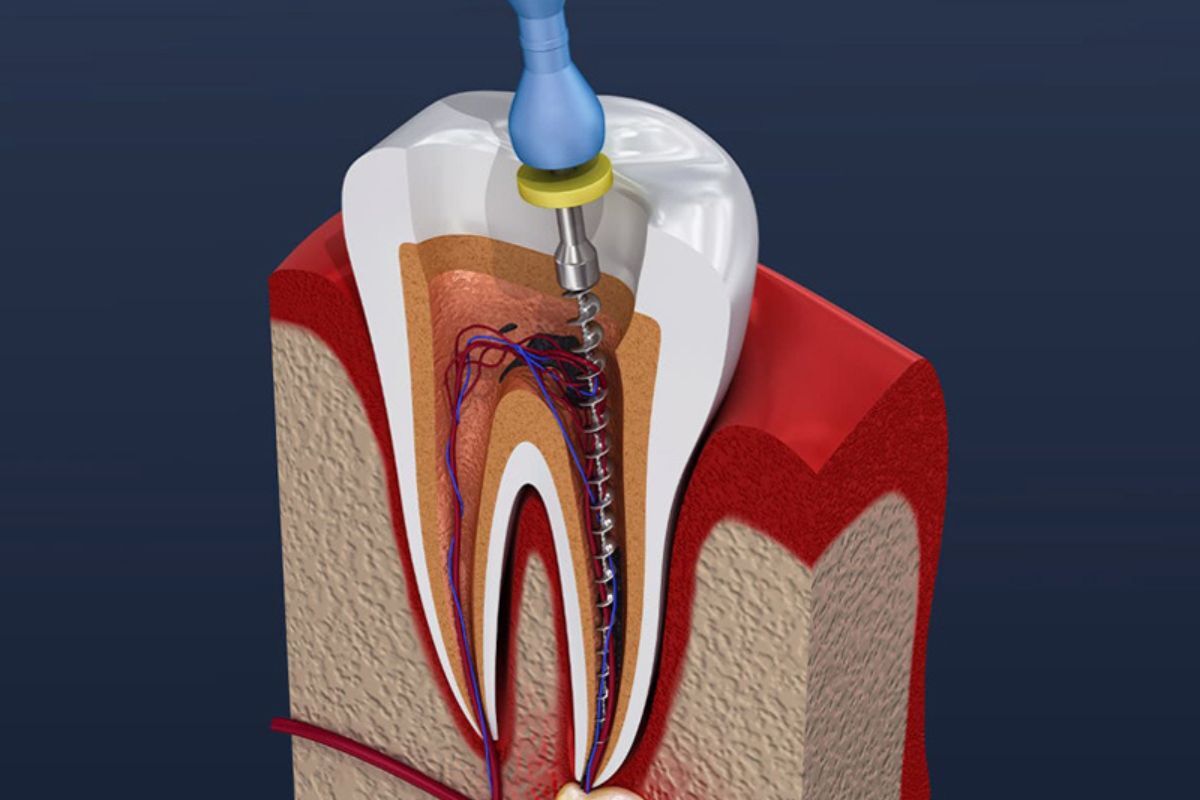
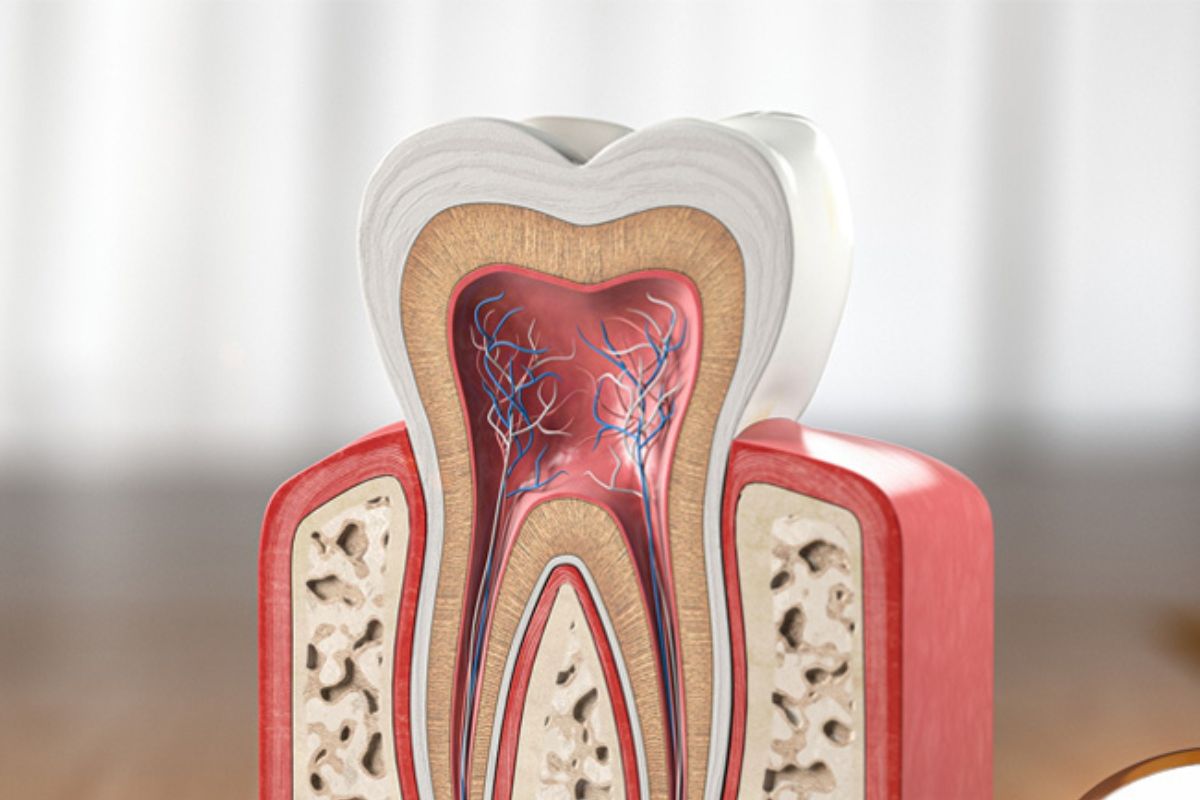
Inside every tooth is soft tissue called dental pulp. This area contains nerves, blood vessels, and connective tissue. Deep decay, fractures, trauma, or untreated cavities can allow bacteria to enter the pulp.
Once bacteria reach the center of the tooth, inflammation begins. Because the pulp sits inside a hard structure, pressure builds with limited room for swelling. Over time, the infection may spread beyond the tooth root and into surrounding tissues.
Common signs include:
- Persistent toothache
- Sensitivity to hot or cold temperatures
- Pain while chewing
- Gum swelling
- Facial tenderness
- Bad taste in the mouth
- Small pimple-like bumps near the gums
Why Delaying Treatment Creates Bigger Problems
Some people postpone treatment because symptoms come and go. Others hope antibiotics alone will solve the issue. However, delaying treatment often gives bacteria more time to spread.
The Pain Can Become More Severe
Mild discomfort can become intense throbbing pain. Patients frequently report pain radiating toward the jaw, ear, or neck.
As inflammation increases, normal activities like eating, speaking, and sleeping may become difficult.
Dental infections rarely improve permanently without addressing the source.
Infection Can Spread Beyond One Tooth
An untreated infection does not necessarily stay isolated.
Bacteria can move into:
- Adjacent teeth
- Gum tissue
- Jawbone
- Facial structures
- Sinus areas
In more serious cases, untreated dental abscesses may spread further into the body.
Root Canal Delay Risks at a Glance
| Potential Issue | What May Happen |
|---|---|
| Infection progression | Bacteria move deeper into tissues |
| Increased pain | Persistent throbbing and sensitivity |
| Dental abscess | Formation of pus around the root |
| Bone involvement | Damage near supporting structures |
| Tooth weakening | Increased fracture risk |
| Neighboring teeth effects | Spread of infection |
| Overall health impact | Broader inflammatory concerns |
Can Symptoms Disappear Even if the Problem Gets Worse?
Yes. This creates confusion for many people.
Sometimes the nerve inside the tooth gradually dies. When that happens, pain may temporarily decrease. Many patients assume they are improving.
In reality, the infection can continue progressing silently around the root.
Research and dental guidance consistently show that abscesses do not disappear on their own without appropriate care.
How Delays May Affect Tooth Preservation
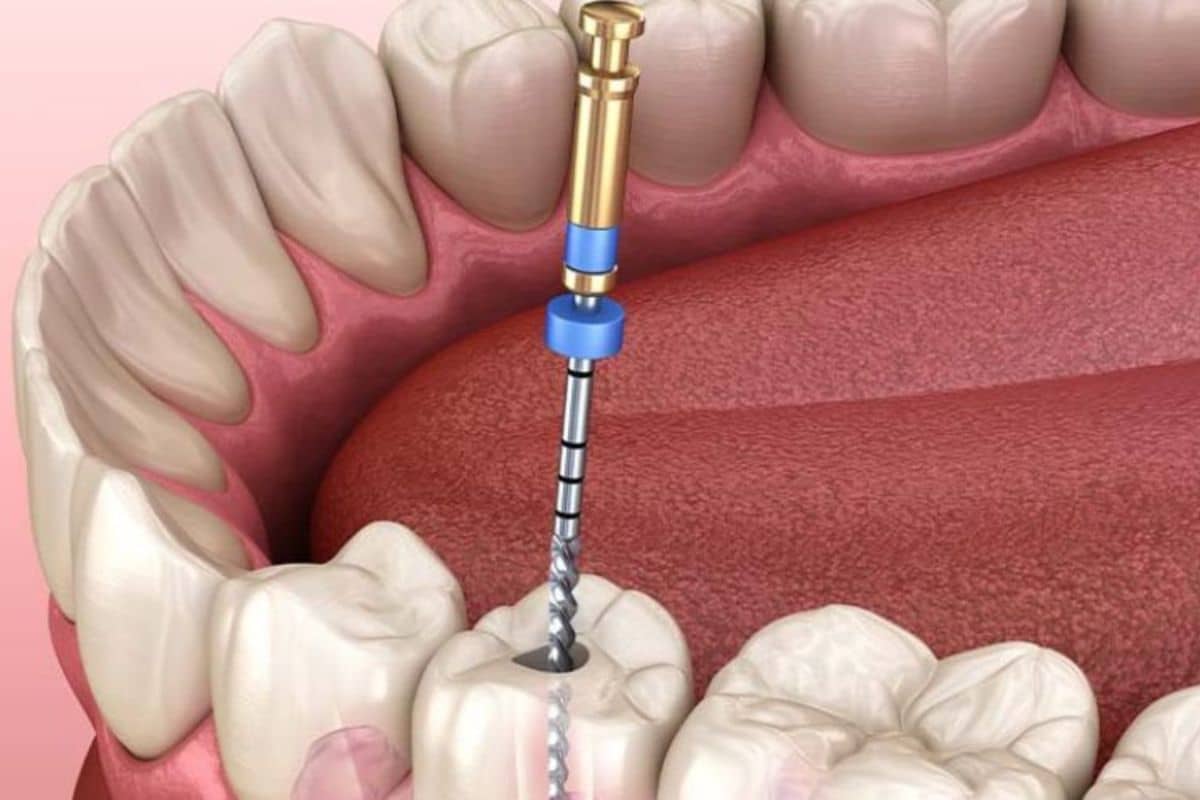
One of the biggest goals of endodontic treatment is to save the natural tooth.
When treatment occurs earlier:
- Infection remains more localized
- Supporting structures may stay healthier
- The tooth often remains stronger
Patients seeking our root canal therapy in Hewlett often want to preserve their natural smile while preventing infection from advancing further.
Protecting the original tooth structure whenever possible remains an important part of modern dental care.
Everyday Habits That May Cause People to Wait Too Long
Assuming the Pain Will Go Away
Pain sometimes decreases temporarily. Unfortunately, reduced pain does not necessarily mean healing.
Fear of Dental Treatment
Many people still associate root canals with outdated experiences. Modern techniques focus heavily on patient comfort and precision.
Depending Only on Home Remedies
Saltwater rinses or over-the-counter pain relief may help reduce temporary discomfort. They do not remove bacteria inside infected pulp tissue.
Why Dental Infections Can Affect More Than Oral Health
Your mouth is closely connected to overall wellness.
Untreated infections may create ongoing inflammation throughout the body. Dental providers emphasize early intervention because oral health contributes to broader health patterns.
Patients searching for a dentist near Hewlett frequently ask whether untreated tooth infections can become serious. The answer is that progression varies by person, but delaying treatment increases the possibility of complications.
Early evaluation remains the safest approach.
Trending FAQs About Delaying a Root Canal
- Can a tooth infection heal without a root canal?
No. Once pulp tissue becomes infected, the source of bacteria generally requires professional treatment. - Can I wait if my tooth pain stopped?
Pain relief does not always mean the infection has resolved. The nerve may have become damaged while bacteria continue spreading. - How long can I delay a root canal safely?
There is no predictable timeline. Progression differs between patients, and delaying treatment increases risk. - Can antibiotics replace a root canal?
Antibiotics may temporarily reduce symptoms, but usually do not remove the infection inside the tooth itself. - What happens if an abscess bursts?
Pain may decrease briefly, but the infection often remains and still requires treatment.
Warning Signs You Should Not Ignore
Seek dental attention if you notice:
- Persistent tooth pain
- Facial swelling
- Gum tenderness
- Fever
- Difficulty chewing
- Pressure while biting
- Unusual taste in the mouth
- Swollen lymph nodes
These symptoms may indicate active infection progression.
Taking Action Before Small Problems Become Larger Ones
Delaying care often gives bacteria more opportunities to spread. Addressing concerns early may help preserve natural teeth and reduce complications. If symptoms such as ongoing sensitivity, swelling, or recurring discomfort appear, it may be time to schedule an appointment and have the affected area professionally evaluated.
Protecting your smile often begins with paying attention to early warning signs rather than waiting for symptoms to become impossible to ignore.