A toothache might seem like a minor inconvenience at first, but ignoring it could have serious consequences. A tooth infection, also known as an abscess, is more than just a painful nuisance—it’s a sign that bacteria are actively attacking the tooth and surrounding tissue. Left untreated, this infection can spread beyond the mouth, leading to severe health complications. Let’s dive into why addressing a tooth infection promptly is crucial and what can happen if you ignore the warning signs.
Understanding a Tooth Infection
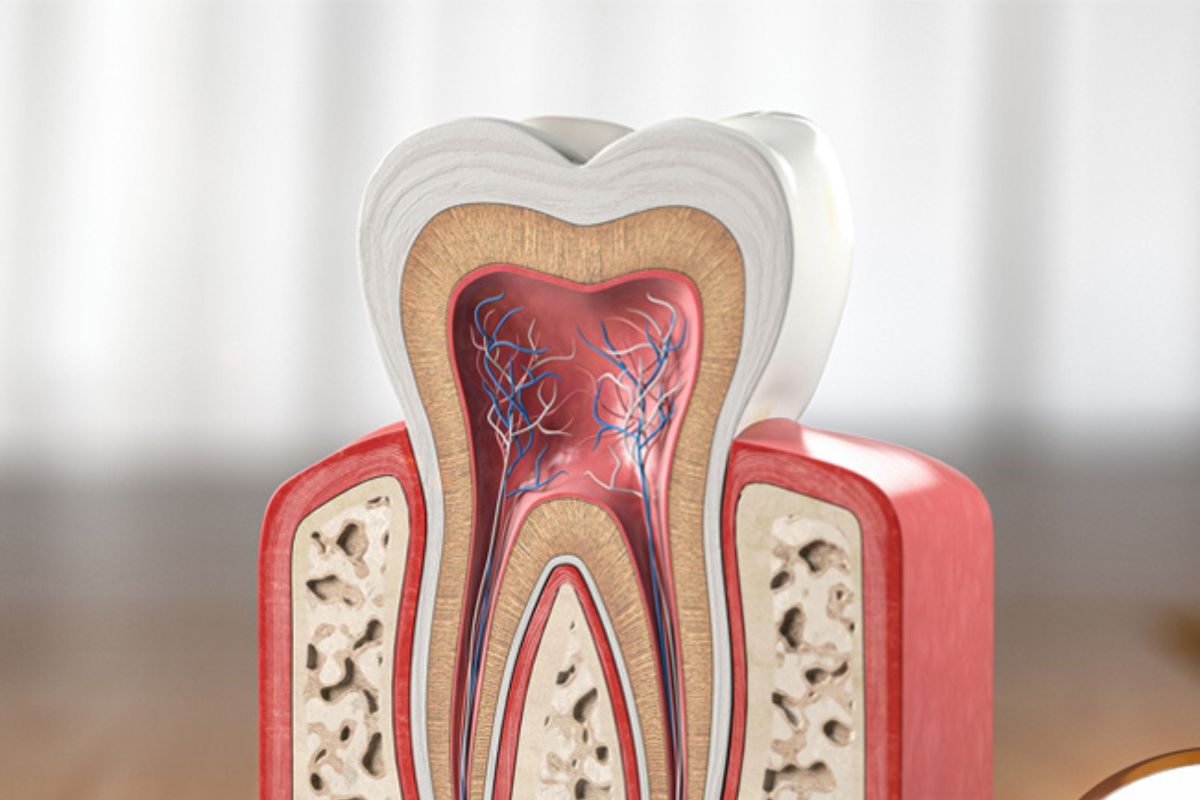
A tooth infection occurs when bacteria enter the inner layers of a tooth, often due to deep cavities, cracks, or untreated gum disease. Once inside, the infection spreads, leading to pus buildup and swelling. Common symptoms include:
- Persistent tooth pain
- Sensitivity to hot and cold foods
- Swollen or tender gums
- Bad breath or a foul taste in the mouth
- Fever and facial swelling in severe cases
While it might be tempting to tough it out and hope the pain subsides, a tooth infection won’t go away on its own. In fact, ignoring the problem can allow bacteria to travel to other parts of your body.
How a Tooth Infection Can Spread
1. The Infection Can Reach Your Jawbone
When a tooth infection is left untreated, it can spread from the root of the tooth into the jawbone. This can lead to osteomyelitis, a painful condition where the bone becomes inflamed and starts deteriorating. If the infection progresses, it can weaken the jawbone, causing additional dental problems, such as tooth loss.
2. The Infection Can Affect Your Sinuses
Since your upper teeth are close to your sinus cavities, a severe tooth infection can spread to these areas, leading to sinusitis. Symptoms of a sinus infection caused by dental bacteria include congestion, facial pressure, and headaches.
3. The Infection Can Enter Your Bloodstream
One of the most serious risks of ignoring a tooth infection is sepsis, a life-threatening condition where bacteria enter the bloodstream. Sepsis can cause fever, rapid heart rate, confusion, and extreme fatigue. In severe cases, it can lead to organ failure.
4. The Infection Can Impact Your Heart and Brain
Dental infections have been linked to cardiovascular issues. When bacteria enter the bloodstream, they can contribute to endocarditis, an infection of the heart’s inner lining. Additionally, bacteria can travel to the brain, increasing the risk of brain abscesses, which can be life-threatening.
How to Treat a Tooth Infection Before It Spreads
The good news is that tooth infections are treatable, and early intervention can prevent serious complications. Some of the most effective treatments include the following:
- Antibiotics – To help control the infection and prevent it from spreading.
- Drainage of the Abscess – In some cases, your dentist may drain the infection to relieve pressure and pain.
- Fillings or Crowns – If the infection is caused by a cavity or crack, a filling or crown may be necessary to restore the tooth.
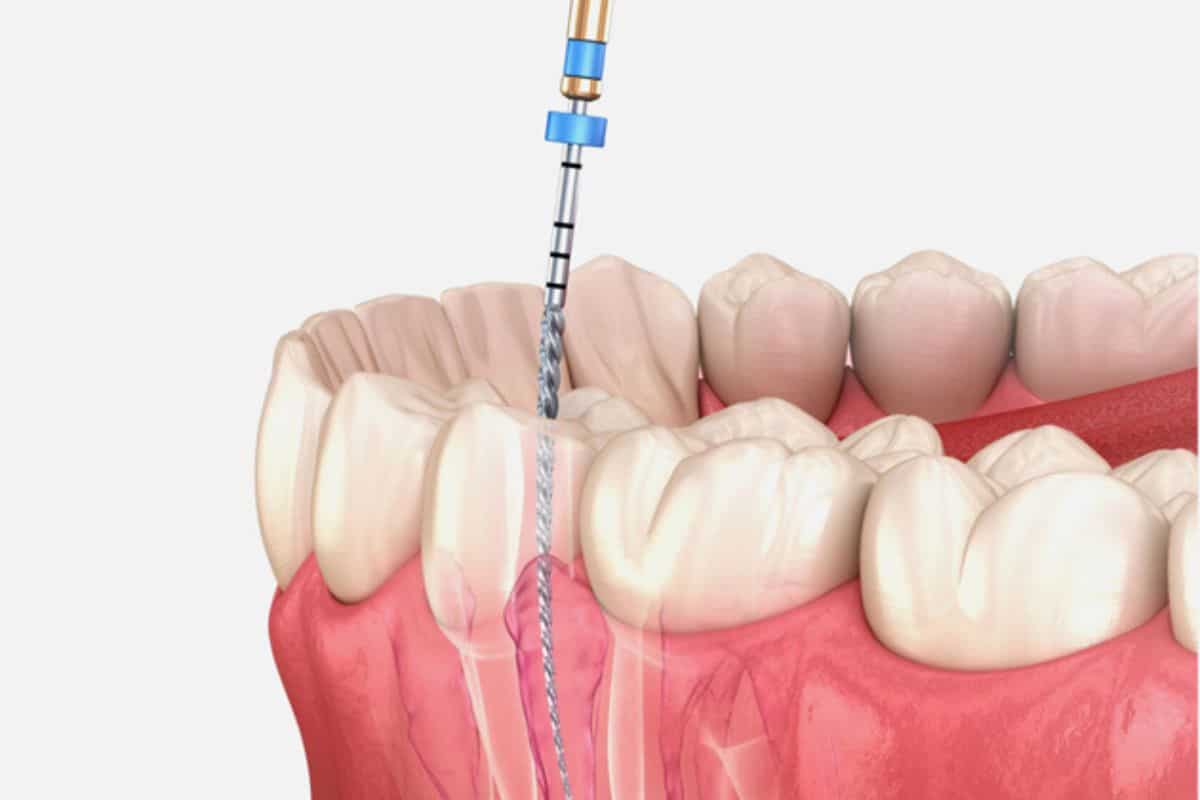
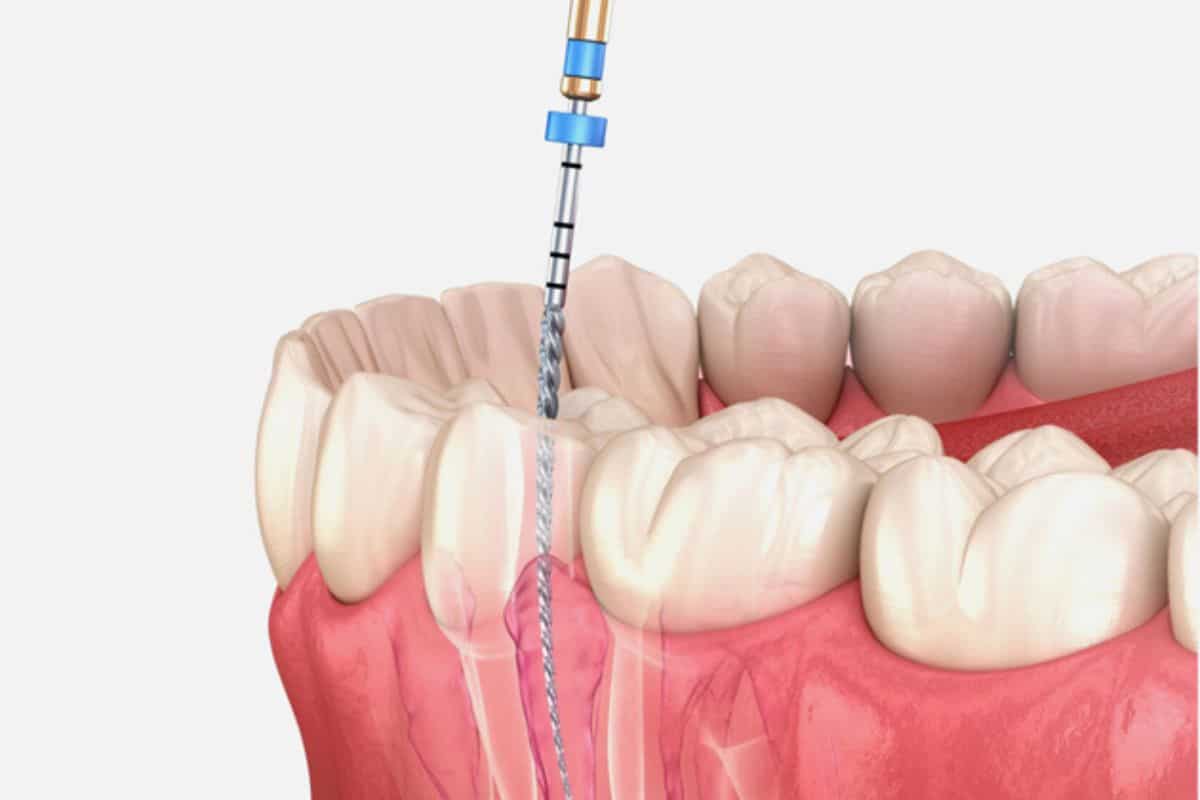
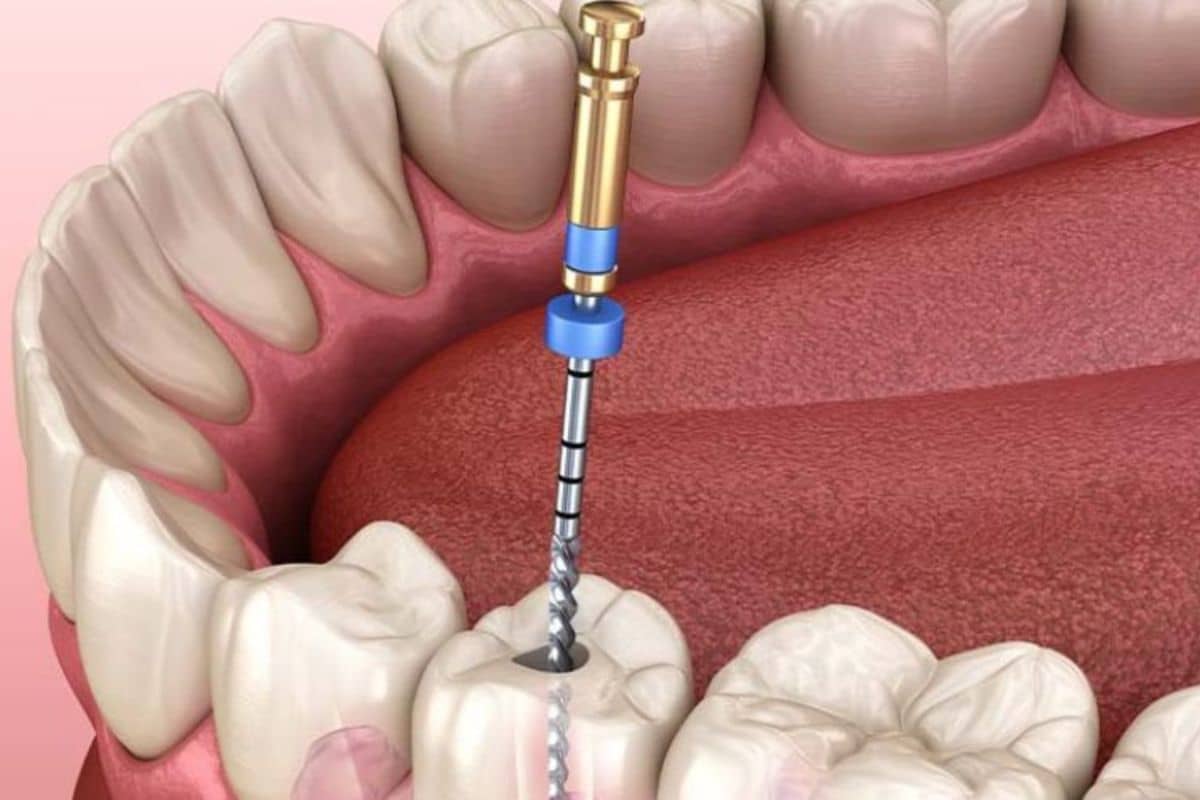
- Root Canal Therapy – If the infection has reached the pulp (the inner part of the tooth), a root canal therapy in Hewlett may be required to remove the infected tissue and save the tooth.
- Tooth Extraction – If the damage is too severe, removing the infected tooth may be the best option.
Why You Shouldn’t Delay Treatment
Delaying treatment can make the infection worse, requiring more invasive procedures later. It’s always best to consult a general dentist in Hewlett at the first sign of trouble. Addressing the issue early can save your tooth, prevent unnecessary pain, and protect your overall health.A tooth infection is not something to take lightly. What may start as minor discomfort can quickly escalate into a serious medical issue if left untreated. If you’re experiencing symptoms of an infection, don’t wait—schedule an appointment with a trusted dentist to get the care you need. Your health and well-being depend on it!