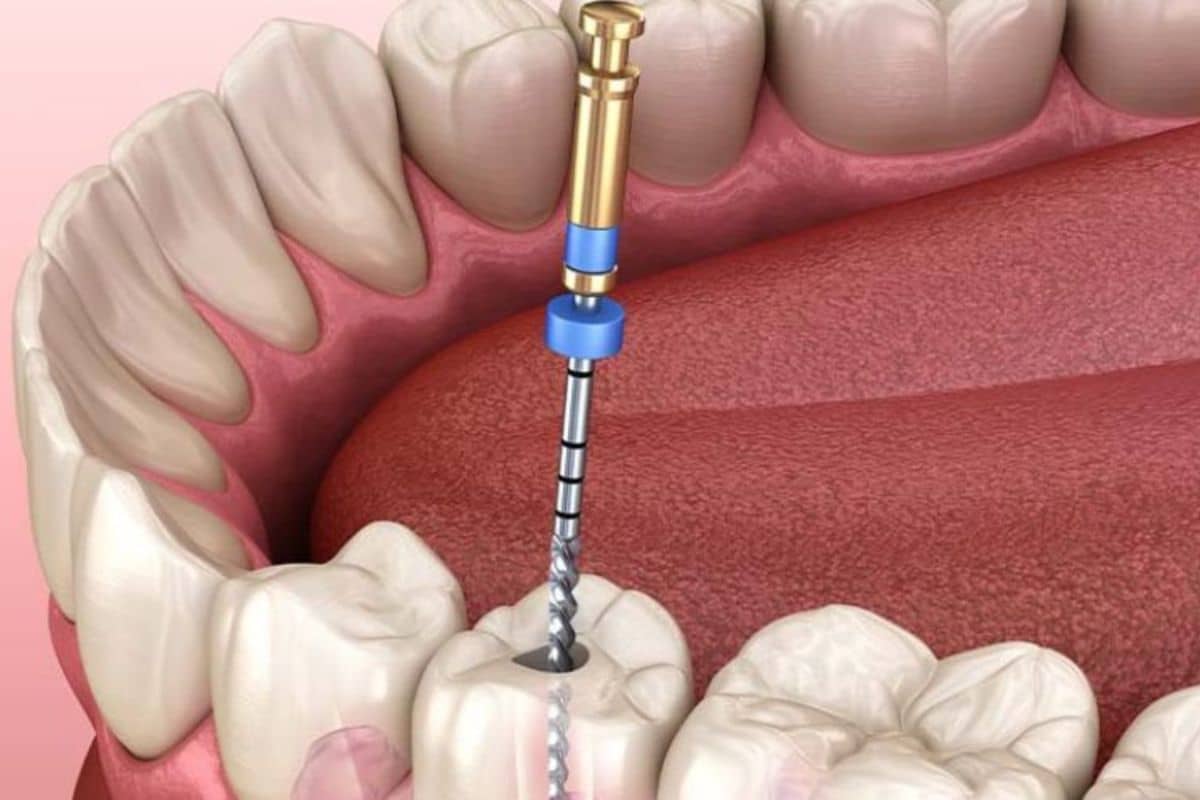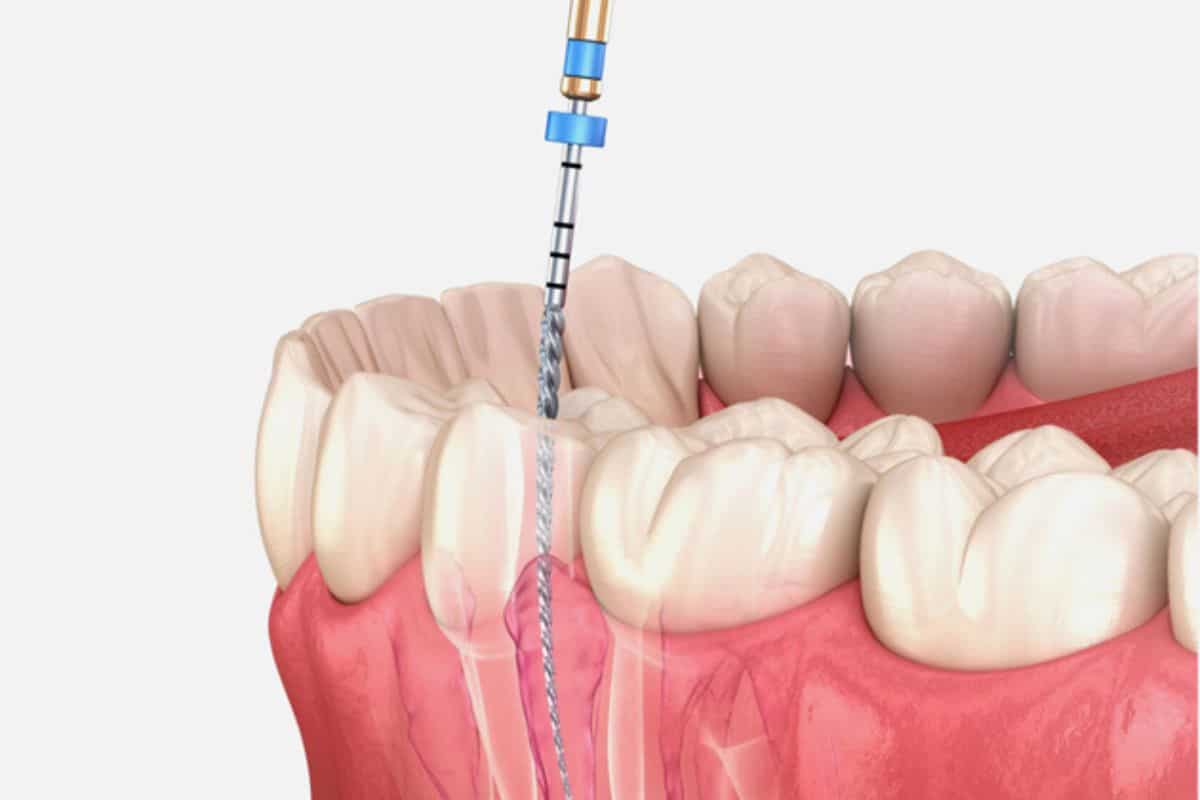
Tooth pain can sneak up on you. One day your smile feels fine, and the next a sharp throb makes chewing uncomfortable. Many people face this exact moment. Understanding why it happens helps you act fast and protect your natural teeth. Root canal therapy saves teeth that would otherwise need extraction. It targets the soft inner tissue called pulp when bacteria invade and cause trouble. Early awareness prevents bigger issues like swelling or tooth loss.
How the Pulp Becomes Vulnerable
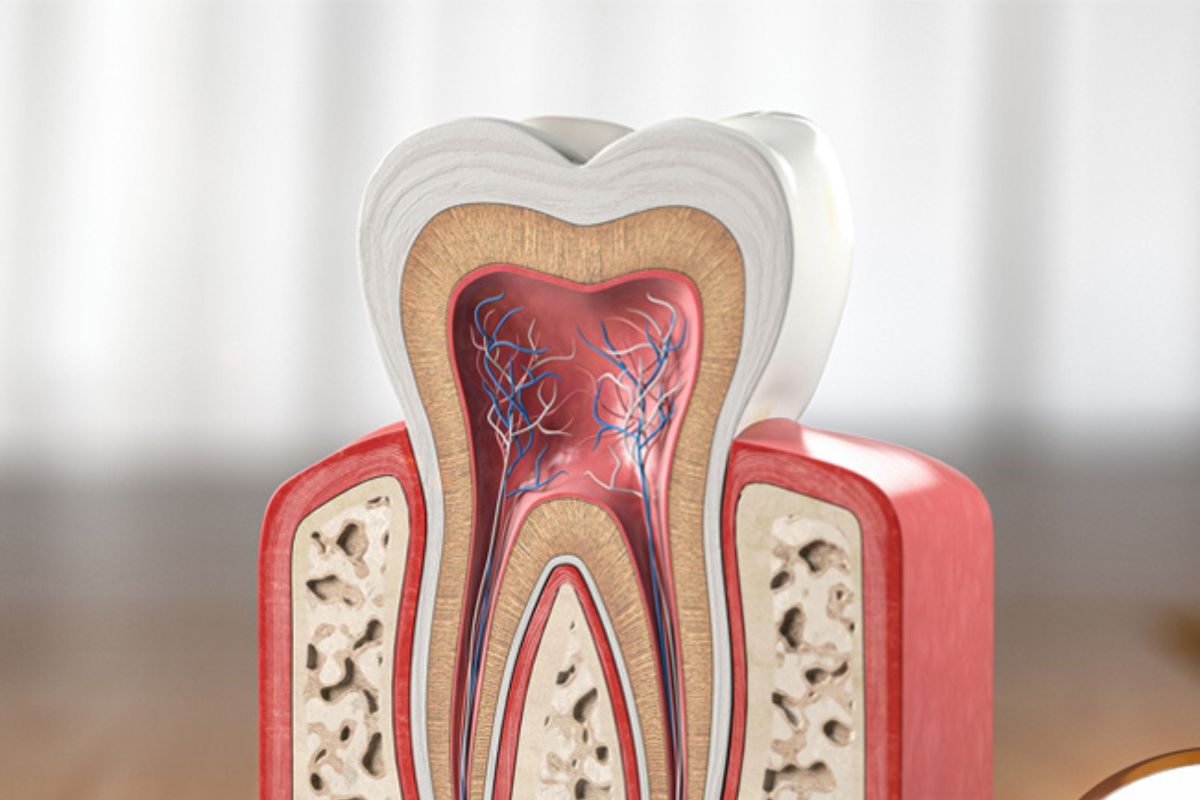
Your tooth’s pulp sits deep inside. It holds nerves, blood vessels, and connective tissue that keep the tooth alive during development. Once the tooth matures, the pulp still plays a key role in sensing pressure and temperature. Problems start when bacteria reach this area. Deep cavities let decay creep inward. Cracks from biting hard foods or accidents open pathways. Even old fillings that loosen can invite infection. Each of these issues inflames the pulp and creates pressure that leads to pain.
Everyday Triggers Behind Pulp Damage
Deep decay tops the list. Untreated cavities eat through enamel and dentin until they hit the pulp. Repeated dental work on the same tooth adds stress. Old crowns that no longer fit perfectly trap bacteria underneath. A sudden chip or crack from sports or everyday accidents damages the structure. Trauma, even without visible breaks, can disrupt blood flow and cause the pulp to die. In rare cases, advanced gum issues allow bacteria to travel along the root. These triggers share one result: infected pulp that demands attention.
Dentists perform about 15 million root canals each year across the United States. Most cases trace back to preventable issues like decay or cracks. Spotting problems early changes the outcome dramatically.
Clear Signs Your Tooth Needs Help
Pain that lingers after eating hot or cold foods often signals pulp trouble. Sensitivity to pressure when you bite down feels different from normal. Swelling around the gums or a small pimple-like bump near the tooth root points to an abscess. Darkening of the tooth color sometimes appears after injury. In some cases, no obvious pain shows up until an X-ray reveals hidden infection. Listening to these signals lets you address the issue before it spreads to surrounding bone.
What Happens When You Delay Care
Untreated pulp infection does not stay quiet. Bacteria multiply and form pus pockets. Pressure builds and can push infection into the jawbone. Facial swelling may follow. In extreme cases, the tooth becomes loose and unsalvageable. Prompt action stops this chain reaction and keeps your bite strong.
Simple Steps to Lower Your Risk
Brush twice daily with fluoride toothpaste. Floss every evening to clear tight spaces. Limit sugary snacks that feed cavity-causing bacteria. Wear a mouthguard during sports to guard against cracks. Schedule regular dental visits for cleanings and early detection. These habits strengthen enamel and reduce the chance of pulp damage.
If warning signs appear, our root canal therapy in Hewlett offers a reliable path to relief and tooth preservation.
Many patients discover that quick evaluation makes all the difference. if you are searching for a reliable general dentist near Hewlett often leads to faster recovery and fewer complications down the road.
Trending FAQs About Root Canal Therapy
- What are the main causes of needing a root canal? Deep decay, cracked teeth, repeated dental procedures, and trauma top the list. Bacteria reach the pulp and trigger inflammation or infection.
- How do I know if my tooth needs a root canal? Persistent pain, prolonged sensitivity to hot or cold, swelling, or darkening of the tooth are common clues. An X-ray often confirms the issue.
- Is root canal treatment painful? Modern techniques and local anesthesia keep discomfort minimal. Most patients report the procedure feels like a routine filling.
- Can I wait before getting treatment? Waiting allows infection to spread. Early care prevents abscesses and raises the success rate of saving the tooth.
- Are root canals bad for your overall health? No. Root canal therapy removes infection and protects surrounding tissues. Leaving an infected tooth untreated poses greater risks.
- What follows root canal therapy? A crown usually protects the treated tooth. Good oral care keeps it strong for years.
Root canal therapy gives teeth a second chance. It stops pain, clears infection, and lets you keep your natural smile intact. Small daily habits and timely checkups make a huge difference. Pay attention to changes in your teeth and act quickly when something feels off. Your future self will thank you for it. Reach out to your nearby general dentist today to schedule an appointment.