A small cavity may not seem like a serious problem at first. However, untreated tooth decay can progress deeper into the tooth and affect its inner tissues. When decay reaches the dental pulp—the area containing nerves and blood vessels—it can trigger severe inflammation and pain. Understanding the connection between deep cavities and pulp damage can help you protect your oral health and avoid long-term complications.
Dental professionals in Hewlett, NY frequently see patients who delay treatment until symptoms become intense. By then, the damage may have advanced beyond a simple filling. Knowing the warning signs early can make all the difference in preserving your natural tooth.
What Is Irreversible Pulpitis?
Irreversible pulpitis is a condition in which the pulp inside a tooth becomes inflamed beyond its ability to heal. Unlike reversible pulpitis, where removing decay can allow the tooth to recover, irreversible pulpitis often requires more advanced treatment to save the tooth structure.
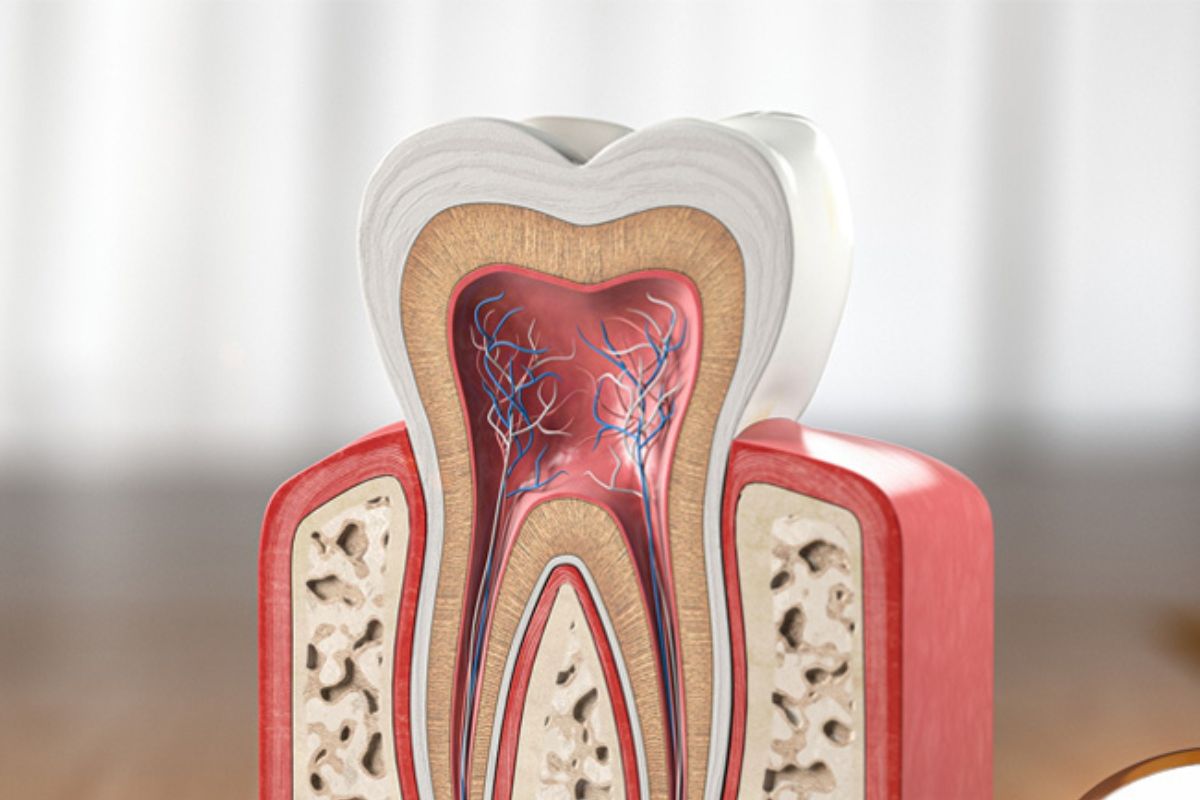
The pulp acts as the tooth’s lifeline. It contains nerves, connective tissue, and blood vessels that keep the tooth alive. Once bacteria from deep decay enter this area, the resulting inflammation can become permanent.
Common symptoms include:
- Persistent toothache
- Lingering sensitivity to hot or cold foods
- Pain while chewing
- Swollen gums around the tooth
- Pain that worsens at night
- Tooth discoloration
Research shows that untreated deep decay remains one of the leading causes of pulpal infection and tooth loss. Prompt diagnosis significantly improves outcomes.
How Do Deep Cavities Cause Pulp Damage?
Cavities begin in the enamel, the hard outer layer of the tooth. Without treatment, bacteria continue moving through the dentin and eventually reach the pulp chamber.
Once bacteria invade the pulp, the body’s immune response triggers inflammation. Because the pulp is enclosed within rigid tooth walls, swelling has nowhere to expand. This pressure compresses blood vessels and nerves, causing severe pain and eventually leading to irreversible damage.
Stages of Tooth Decay Progression
| Stage | Area Affected | Potential Outcome |
|---|---|---|
| Early Decay | Enamel | Reversible with fillings |
| Moderate Decay | Dentin | Increased sensitivity |
| Deep Cavity | Near Pulp | Risk of pulpitis |
| Pulp Infection | Dental Pulp | Irreversible pulpitis |
| Advanced Infection | Root Area | Abscess formation |
Clinical studies indicate that delaying care increases the likelihood of pulp necrosis and infection spread.
Can Irreversible Pulpitis Heal on Its Own?
Unfortunately, irreversible pulpitis does not heal naturally. Once the pulp becomes irreversibly inflamed, the damaged tissue cannot regenerate. In many cases, the pain may temporarily decrease if the nerve begins to die, but this does not mean the infection has resolved.
Instead, untreated pulpitis can progress into an abscess, causing swelling, bone loss, and infection spread to surrounding tissues. This is why dental professionals emphasize timely intervention when symptoms appear.
When Is Root Canal Treatment Recommended?
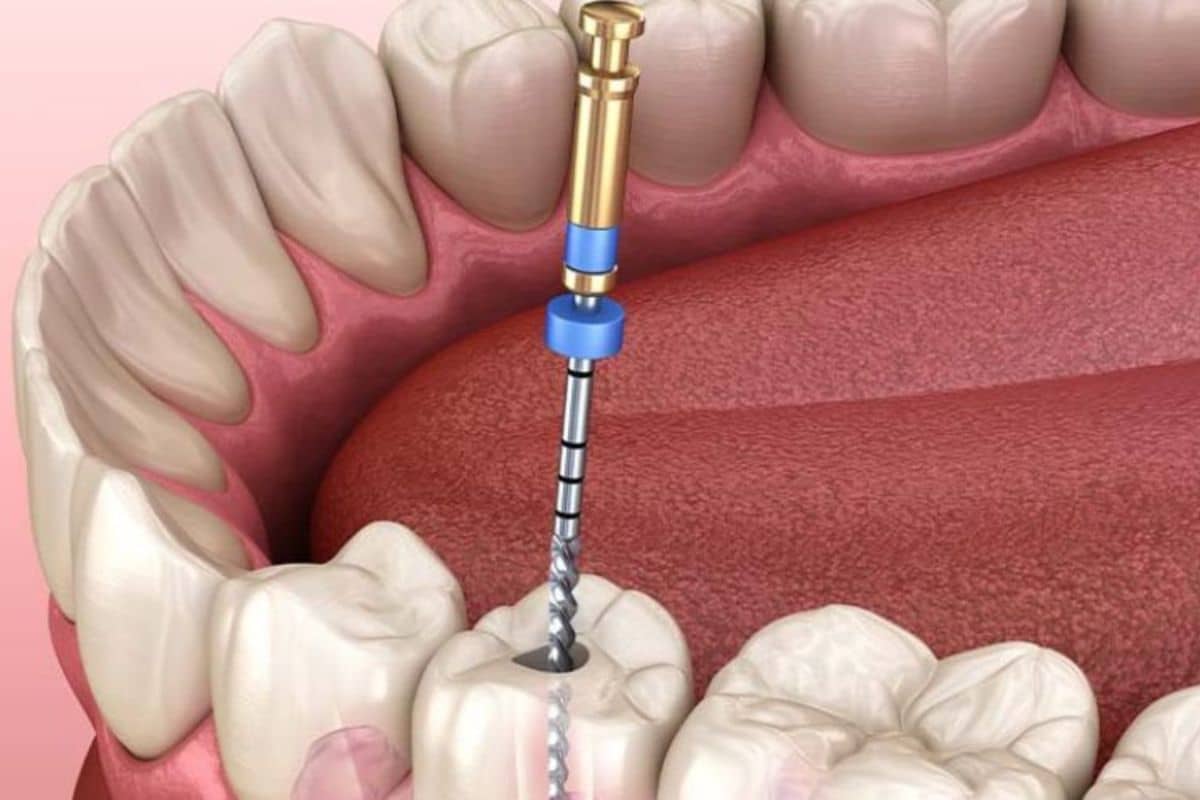
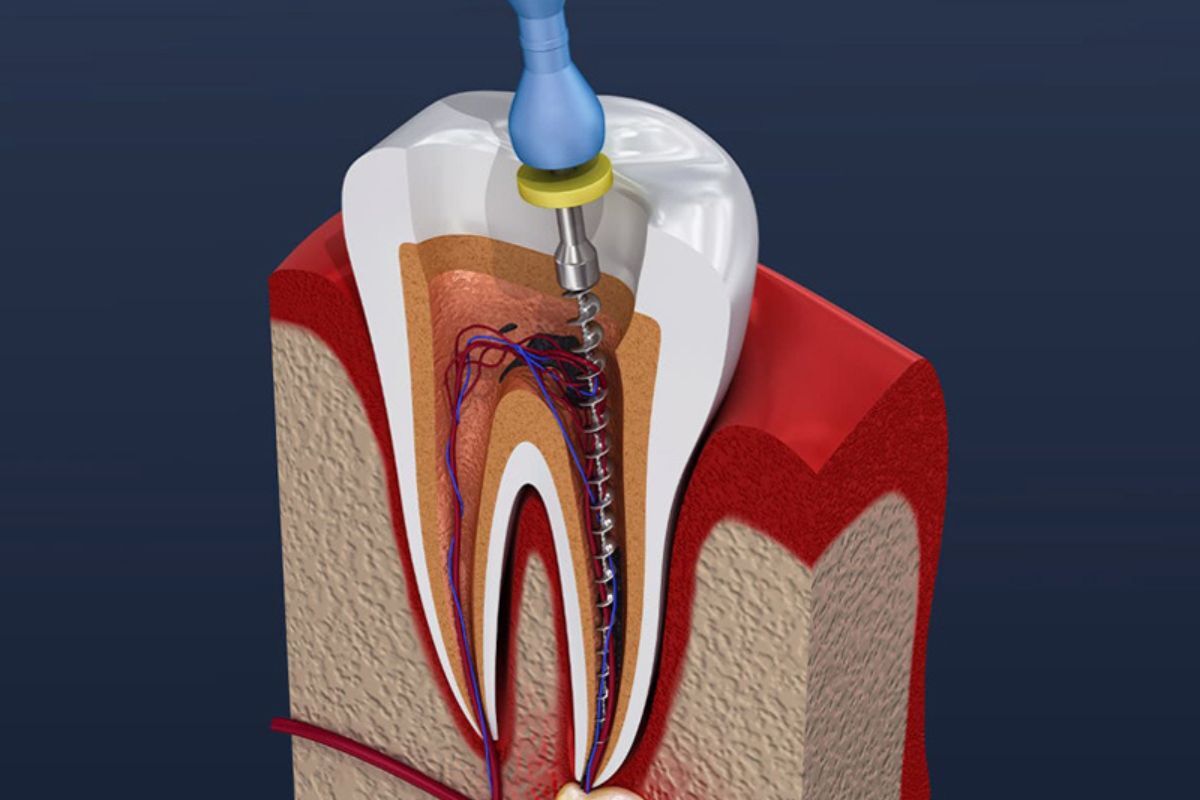
If the pulp cannot recover, dentists may recommend root canal therapy to preserve the natural tooth. This procedure removes infected tissue, disinfects the canals, and seals the tooth to prevent reinfection.
Modern dental techniques have made treatment significantly more comfortable than many patients expect. Studies report success rates exceeding 90–95% when treated promptly and restored appropriately.
A dentist may recommend treatment when patients experience:
- Spontaneous tooth pain
- Prolonged temperature sensitivity
- Deep cavities visible on X-rays
- Gum swelling or abscesses
- Pain that interferes with sleep
How Can You Prevent Deep Cavities?
Prevention remains the best defense against irreversible pulpitis. Daily oral hygiene and regular dental visits help identify cavities before they reach the pulp.
Here are practical prevention tips:
Maintain Strong Oral Hygiene
- Brush twice daily with fluoride toothpaste.
- Floss every day.
- Limit sugary snacks and beverages.
- Drink water frequently.
Attend Regular Dental Exams
Routine cleanings and exams allow dentists to detect small cavities early. Many deep cavities develop silently without causing immediate symptoms.
For residents of Hewlett, NY, regular preventive care can reduce the risk of dental emergencies and complex procedures later on.
Dental experts such as periodontist Dr. Ron Kaminer emphasize the importance of early diagnosis in preserving long-term oral health and preventing advanced periodontal and dental complications.
Why Local Dental Care Matters
When dental pain strikes, timely care is essential. Delaying treatment can allow bacteria to spread deeper into the tooth and surrounding bone.
If you are searching for a dentist near Hewlett, choosing a provider who offers comprehensive diagnostic imaging and restorative care can help address decay before it progresses into more serious conditions.
Patients often search for a dentist when symptoms become severe, but preventive visits remain the best approach to maintaining a healthy smile in Hewlett, NY.
Trending FAQs About Deep Cavities and Irreversible Pulpitis
Frequently Asked Questions
- Can a deep cavity always cause irreversible pulpitis?
No. If caught early, a deep cavity may still be treated before the pulp suffers permanent damage. - What does irreversible pulpitis feel like?
It often causes persistent throbbing pain, lingering sensitivity, and discomfort while chewing. - Can antibiotics cure irreversible pulpitis?
Antibiotics may manage infection temporarily but cannot reverse pulp damage. - Does tooth pain always mean I need advanced treatment?
Not always. A professional examination is necessary to determine the cause of pain. - Can irreversible pulpitis lead to an abscess?
Yes. Untreated pulpitis can progress into a dental abscess and surrounding bone infection.
When Should You See a Dentist?
Persistent tooth pain should never be ignored. Early evaluation can determine whether the pulp is still healthy or if treatment is needed to prevent further complications. Patients in Hewlett, NY benefit from timely examinations that identify problems before they become emergencies. If you notice prolonged sensitivity, swelling, or pain that wakes you at night, it may be time to schedule an appointment with a trusted dental professional.
Protecting your smile starts with acting early. Deep cavities can silently progress and cause lasting damage before symptoms become obvious. By prioritizing preventive care and seeking treatment promptly, you can preserve your natural teeth and maintain lifelong oral health.