
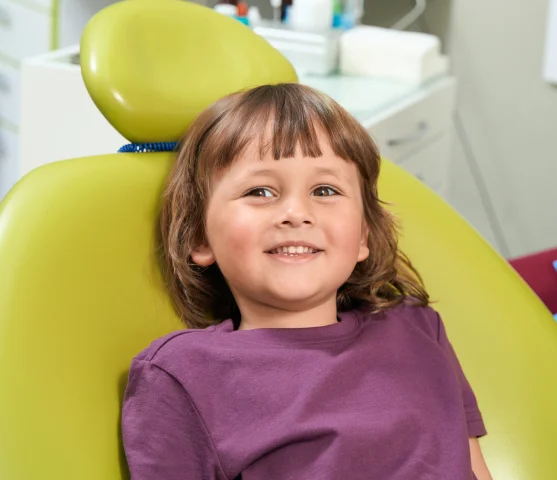
Your Child's Healthy Smile Starts in Hewlett
A child's first dental visit should happen by their first birthday, or within about six months of the first tooth coming in. Baby teeth hold space for adult teeth, help with speaking and chewing, and shape the habits your child carries into adulthood. A calm, positive first experience makes every later visit easier.
At Smiles By Design, families from Hewlett and the surrounding Five Towns can bring everyone to one office. Our dentists care for children alongside their parents, from the first checkup through the teen years. Call (516) 239-6204 or request an appointment online to schedule your child's visit.
Why Hewlett Families Choose Smiles By Design for Their Kids
One Office for the Whole Family
Schedule parents and children in the same place, often back to back. Fewer trips across Nassau County means less stress for busy households.
Experienced, Gentle Dentists
Our team includes five dentists with training in general, cosmetic, restorative and implant dentistry. Dr. Jessica Klein is known for her gentle touch with patients of all ages, and Dr. Ron Kaminer has been practicing since 1990.
Modern, Child-Friendly Technology
Digital X-rays use less radiation than traditional film. Digital scanners replace messy impression trays. Our lasers can make some procedures quicker and more comfortable. All of it is designed to keep visits short and easy on young patients.
Evening Hours for School Schedules
We're open until 8pm on Tuesdays and Thursdays, so appointments can fit around school, camp and after-school activities.
Children's Checkups & Cleanings in Hewlett
Regular visits are the best way to catch small problems before they become big ones. At each checkup, we gently clean away plaque and tartar, polish the teeth, and examine them for early signs of decay. We also check your child's gums, bite and jaw growth, and watch for habits like thumb sucking or mouth breathing that can affect how the teeth and jaws develop.
We take the time to explain each step in simple, friendly language so children know what to expect. We also give parents practical tips on brushing, flossing and snacking that fit your child's age.
Most children do best with a checkup and cleaning every six months. We'll let you know if your child needs a different schedule.
Dental Sealants: Protection for Back Teeth
The deep grooves on the chewing surfaces of molars are hard for small hands to brush clean. Food and bacteria settle in those grooves, which is why many childhood cavities start there.
A dental sealant is a thin, tooth-colored coating painted onto the molar. It smooths over the grooves so they're easy to keep clean. Placing a sealant is quick and painless, with no drilling and usually no numbing. Sealants are most often placed soon after the permanent molars come in, around ages 6 and 12, and with good care they can protect teeth for years.
Fluoride Treatments to Strengthen Enamel
Fluoride makes tooth enamel more resistant to the acids that cause cavities. Toothpaste and community water help, but some children benefit from an extra boost, especially those who get cavities easily or snack often.
During your child's visit, we can brush a professional-strength fluoride varnish onto their teeth. It takes just a few minutes, tastes mild, and sets quickly. We'll recommend how often your child needs it based on their cavity risk, and we'll talk with you about the right amount of fluoride toothpaste for their age.
Pulp Therapy for Injured or Infected Baby Teeth
Baby teeth are worth saving. If a tooth is damaged by a deep cavity or an injury, the soft tissue inside (the pulp) can become inflamed or infected. Signs include lingering tooth pain, swelling, sensitivity to hot or cold, or a darkened tooth.
Pulp therapy treats the problem while keeping the tooth in place. We remove only the affected tissue, clean the area, and seal it, then usually protect the tooth with a crown. Keeping the baby tooth helps guide the adult tooth into the right position and avoids the spacing problems that can follow early tooth loss.
Lip & Tongue Tie Evaluation and Treatment
The frenum is the small band of tissue under the tongue and behind the upper lip. When it's unusually tight, it can limit movement. Parents may notice trouble latching or feeding in infants, or later difficulty with certain speech sounds, eating, or cleaning the teeth.
We can evaluate whether a tie is affecting your child. When treatment helps, a frenectomy is a brief procedure that releases the tight tissue. Our soft-tissue laser can make it gentler, with minimal bleeding and a faster, more comfortable recovery.
Frequently Asked Questions About Kids' Dentistry in Hewlett
Q. When should my child have their first dental visit?
A. By their first birthday, or about six months after the
first tooth appears. Early visits let us check development and give you guidance on cleaning, feeding and pacifier or thumb-sucking habits.
Q. How do I prepare my child for their first appointment?
A. Keep it simple and positive. Tell them the dentist will count their teeth and make them sparkly, and avoid words like "shot" or "hurt." Schedule the visit for a time when they're usually rested and happy. Our team will handle the rest at a pace your child is
comfortable with.
Q. How often should my child see the dentist?
A. Typically every six months. Children who get cavities easily may benefit from more frequent visits.
Q. Do baby teeth really need fillings?
A. Yes. Baby teeth hold space for permanent teeth, and untreated decay can cause pain and infection that affect the teeth underneath. Treating cavities early keeps your child comfortable and their smile on track.
Q. Are dental X-rays safe for children?
A. We use digital X-rays, which require significantly less radiation than traditional film. We only take them when needed to check for cavities or monitor development.
Q. What can I do at home to prevent cavities?
A. Help your child brush twice a day with a rice-sized smear (under 3) or pea-sized amount (3 and older) of fluoride toothpaste, floss once teeth touch, and limit sugary drinks and sticky snacks between meals.
Q. What if my child has a dental emergency?
A. For a knocked-out permanent tooth, a broken tooth, or
severe pain or swelling, call us right away at (516) 239-6204. For a knocked-out permanent tooth, gently rinse it, avoid touching the root, and keep it in milk until you reach us.
Q. Do you offer Invisalign for teens?
A. Dr. Klein and Dr. Lewis are Invisalign certified and can evaluate whether clear aligners are a good fit for your teen.
