Have you ever bitten into something and felt a sharp pain from a cracked or worn-down tooth? Many people face this issue, wondering if there’s a reliable way to fix it without losing the tooth entirely. Dental crowns offer a practical solution that not only repairs damage but also boosts tooth durability. In this post, we’ll explore how crowns can reinforce fragile teeth, address your common concerns, and share insights to help you make informed choices about your oral health.
Understanding Dental Crowns
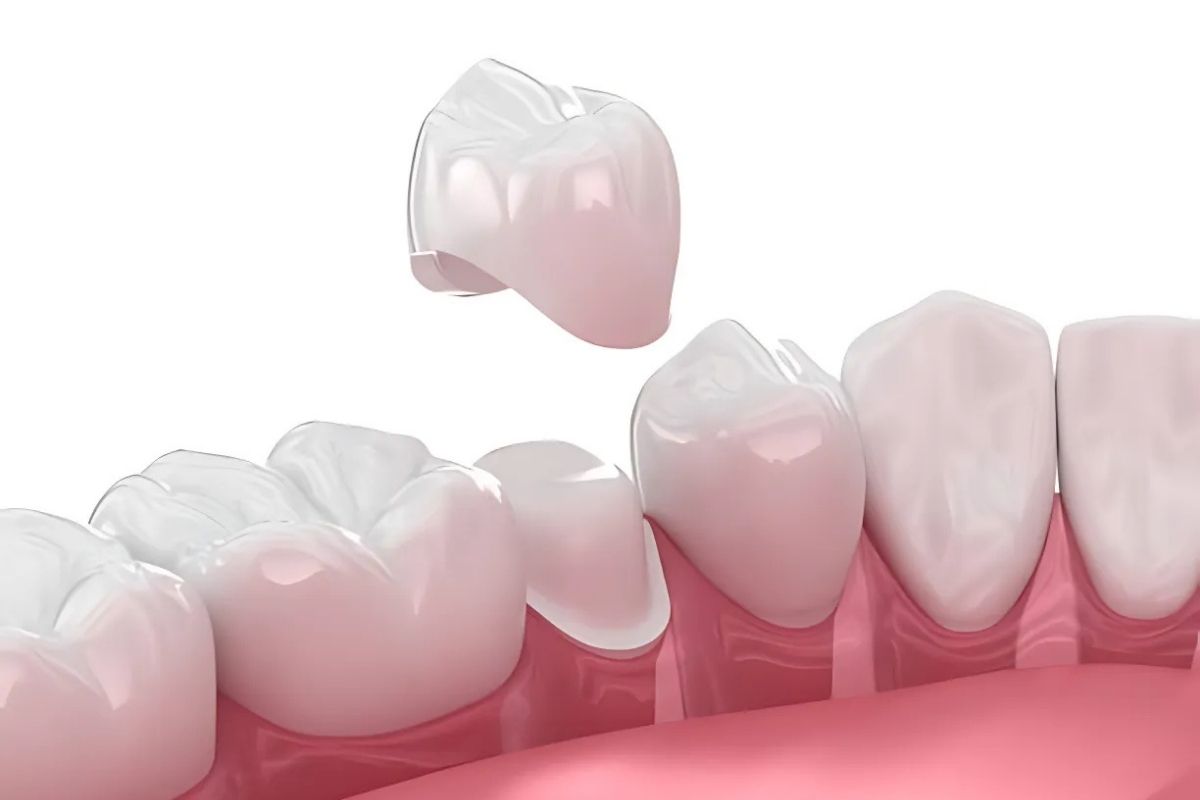
Dental crowns act like protective caps for damaged teeth. They cover the entire visible part above the gum line. This restoration helps when simple fillings fall short.
Dentists use crowns for various reasons. These include fixing large cavities, mending cracks, or supporting teeth after root canals. Crowns restore both form and function.
Materials vary based on needs. Porcelain blends well with natural teeth for a seamless look. Metal options provide extra strength for back teeth under heavy pressure.
How Crowns Reinforce Weakened Teeth
Weakened teeth often stem from decay, injury, or wear. A crown encases the tooth, distributing bite forces evenly. This prevents further breakage.
The process starts with reshaping the tooth. Dentists remove decayed parts and prepare the surface. An impression ensures a custom fit.
Once placed, the crown acts as a shield. It protects the inner structure from bacteria and stress. Patients often notice improved chewing comfort right away.
Research shows crowns enhance tooth longevity. They reduce the risk of fractures in compromised teeth.
Types of Dental Crowns Available
Several crown types suit different situations. Porcelain-fused-to-metal combines durability with aesthetics. It’s ideal for visible areas.
All-ceramic crowns offer a natural appearance. They resist staining and mimic tooth enamel.
Gold crowns excel in strength. Though less common upfront, they last in molars.
Zirconia stands out for toughness. It handles high-stress zones well.
Choose based on location and lifestyle. Your dentist can guide the best match.
For those seeking dental crowns in Hewlett, NY, local options emphasize personalized fits using advanced materials.
The Crown Placement Procedure
Crown placement usually takes two visits. First, the dentist numbs the area and shapes the tooth.
They take molds for lab creation. A temporary crown protects meanwhile.
On the second visit, the permanent crown bonds securely. Adjustments ensure proper bite alignment.
Modern tech allows same-day crowns in some cases. This speeds up the process.
Recovery is quick. Mild sensitivity may occur but fades soon.
Benefits of Choosing Dental Crowns
Crowns restore natural tooth function. You can eat your favorites without worry.
They improve smile aesthetics. Discolored or misshapen teeth look renewed.
Protection against future damage is key. Crowns seal out decay-causing elements.
Long-term oral health gains. They support adjacent teeth and maintain alignment.
Many report boosted confidence. A strong, attractive smile enhances daily life.
Potential Drawbacks and Considerations
No procedure is perfect. Crowns may need replacement over time.
Some experience temporary discomfort post-placement. This usually resolves quickly.
Allergic reactions to materials are rare. Discuss concerns upfront.
Proper oral hygiene extends crown life. Brush and floss daily.
Regular check-ups catch issues early. This keeps everything in top shape.
Trending FAQs on Dental Crowns
People often search for quick answers on this topic. Here are some frequently asked questions based on common Google queries, with straightforward responses:
- What is a dental crown? A dental crown is a cap that covers a damaged tooth to restore its shape, size, and strength while improving appearance.
- How long do dental crowns last? With good care, crowns typically last 10 to 15 years, though some endure longer depending on the material and habits.
- Do dental crowns hurt? The procedure involves numbing, so you feel little during it. Post-treatment sensitivity is common but temporary.
- When do you need a dental crown? You might need one for severe decay, cracks, after a root canal, or to cover implants and discolored teeth.
- Can dental crowns fall out? Yes, if the bond weakens from decay or trauma, but proper maintenance minimizes this risk.
These address top concerns and help clarify expectations.
Dental Crown Success Rates: Key Statistics
Understanding outcomes builds trust. Here’s a table summarizing success rates from reliable studies:
| Crown Type | Survival Rate at 5 Years | Survival Rate at 10 Years | Survival Rate at 15 Years | Notes |
|---|---|---|---|---|
| Metal (Gold) | 95%+ | 95%+ | N/A | Highest durability for back teeth. |
| Zirconia | 90% | 80% | 71% | Strong but may chip over time. |
| Porcelain-Fused-to-Metal | 89% | 81% | 70% | Balances strength and looks. |
| All-Ceramic | 88% | 75% | N/A | Aesthetic focus, less for a heavy bite. |
These figures come from clinical studies tracking thousands of cases. Factors like oral hygiene influence results.
Maintaining Your Crown for Longevity
Care is simple yet crucial. Treat it like a natural tooth.
Brush twice daily with fluoride toothpaste. Floss to remove plaque buildup.
Avoid hard foods that could crack it. Use a night guard if you grind your teeth.
Visit your dentist every six months. They monitor for wear or issues.
Healthy habits extend crown life. Quit smoking to prevent gum problems.
If you notice looseness or pain, seek help promptly. Early fixes prevent bigger troubles.
If you are searching for a dentist near you serving in Hewlett, NY, consider exploring local practices that specialize in restorative options like these.
Your Journey to Stronger Teeth
Restoring a weakened tooth doesn’t have to be daunting. With the right approach, you can regain a confident, functional smile that lasts. Remember, proactive care makes all the difference in oral health. Ready to take the next step? Call (516) 239-6204 today to schedule an appointment and discuss how a crown might benefit you.