
When it comes to dental restorations, choosing the right option can feel overwhelming. Inlays and onlays are popular choices for repairing damaged teeth, but what sets them apart? Whether you’re dealing with a cavity, cracked tooth, or other dental issue, understanding the differences between these two treatments can help you make an informed decision. This blog will break down the key distinctions, benefits, and factors to consider, ensuring you’re equipped with the knowledge to discuss your options with your dentist confidently.
What Are Inlays and Onlays? A Quick Overview
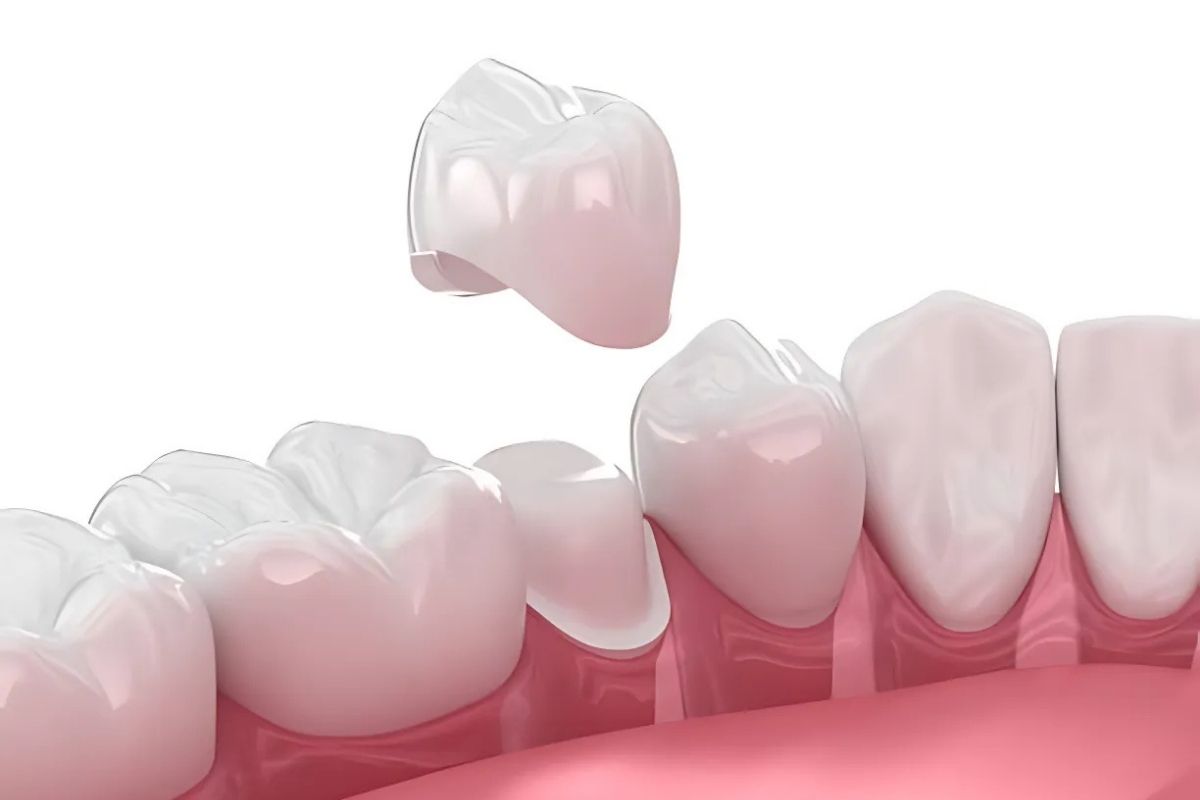
Inlays and onlays are types of indirect dental restorations used to repair teeth that are too damaged for a simple filling but don’t require a full crown. They’re custom-made in a dental lab, typically from materials like porcelain or composite resin, to fit your tooth precisely. These restorations are designed to strengthen the tooth, restore its shape, and improve its function. Unlike fillings, which are applied directly in the mouth, inlays and onlays are crafted outside and then bonded to the tooth, offering a more durable and tailored solution.
Key Differences Between Inlays and Onlays
Understanding the structural and functional differences between inlays and onlays is the first step in determining which one might be right for you.
Inlays: Precision for Smaller Damage
Inlays are used when the damage is confined to the center of the tooth, specifically within the cusps (the raised points on the tooth’s surface). They fit into the tooth’s chewing surface, replacing the decayed or damaged area without covering the cusps. Inlays are often chosen for their conservative approach, as they preserve more of the natural tooth structure compared to other restorations.
Onlays: Coverage for Larger Damage
Onlays, sometimes called partial crowns, are used when the damage extends beyond the center of the tooth and includes one or more cusps. They cover a larger portion of the tooth, providing more extensive support and protection. Onlays are ideal for teeth with significant decay or fractures, as they can restore both the chewing surface and the outer edges, ensuring the tooth remains strong and functional.
Benefits of Inlays and Onlays
Both inlays and onlays offer distinct advantages, making them popular choices for dental restoration.
- Durability: Made from strong materials like porcelain, they resist wear and can last for many years with proper care.
- Aesthetic Appeal: They blend seamlessly with natural teeth, providing a discreet and natural-looking result.
- Tooth Preservation: Unlike crowns, which require more tooth reduction, inlays and onlays conserve more of your natural tooth structure.
- Improved Function: They restore the tooth’s ability to chew and bite effectively, enhancing overall oral health.
These benefits make inlays and onlays excellent options for those seeking a balance between functionality and aesthetics.
When Do You Need Inlays or Onlays?
Your dentist will assess several factors to determine whether an inlay or onlay is the best choice for you. These restorations are typically recommended in the following scenarios:
- Moderate Decay: When a cavity is too large for a filling but not severe enough for a crown.
- Cracked or Fractured Teeth: If the tooth is damaged but still structurally sound, an inlay or onlay can provide reinforcement.
- Worn Teeth: Teeth that are worn down due to grinding (bruxism) or erosion may benefit from the added protection of an onlay.
- Replacement of Old Fillings: Large or failing fillings can be replaced with inlays or onlays for a more durable solution.
The extent of the damage will largely dictate which restoration is more appropriate. For smaller, centralized damage, an inlay might suffice. For more extensive issues involving the cusps, an onlay is often the better choice.
The Procedure: What to Expect
The process for getting an inlay or onlay typically involves two visits to your dentist. During the first visit, the dentist prepares the tooth by removing any decay or damaged areas. They then take an impression of your tooth, which is sent to a lab to create the custom restoration. A temporary filling may be placed to protect the tooth in the meantime. At the second visit, the dentist removes the temporary filling and bonds the inlay or onlay to your tooth using a strong adhesive. The restoration is then polished to ensure a smooth, comfortable fit.
How to Care for Inlays and Onlays
Proper care is essential to ensure the longevity of your inlay or onlay. Brush and floss daily to keep the area clean and free of plaque. Avoid chewing on hard objects like ice or pens, as this can damage the restoration. Regular dental checkups will allow your dentist to monitor the restoration and address any issues early. If you grind your teeth, a nightguard might be recommended to protect both the restoration and your natural teeth.
Finding Expert Care for Inlays and Onlays in Hewlett, NY
If you’re considering these restorations, choosing a skilled professional is key to a successful outcome. For those seeking inlays and onlays in Hewlett, NY, local dental practices offer specialized care tailored to your needs. Many providers in the area have extensive experience with indirect restorations, ensuring you receive a high-quality, long-lasting result. Schedule a consultation to discuss your options and get a personalized treatment plan that aligns with your oral health goals.
Why Choose a Dentist in Hewlett, NY for Your Dental Restorations?
Working with a trusted professional can make all the difference in your dental care journey. A dentist in Hewlett, NY, will provide expert guidance, from assessing your tooth damage to recommending the best restoration. They can also answer any questions you have about the procedure, aftercare, and long-term benefits, ensuring you feel confident in your decision. Local expertise combined with a patient-centered approach makes for a seamless and comfortable experience.
Trending FAQs on Inlays and Onlays
Here are some frequently asked questions that patients often search for, based on popular Google queries:
- What is the difference between an inlay and an onlay?
An inlay fits within the tooth’s cusps, while an onlay covers one or more cusps, addressing more extensive damage. - How long do inlays and onlays last?
With proper care, they can last 10-20 years or more, depending on oral hygiene and habits. - Are inlays or onlays better than fillings?
They’re often more durable than fillings and better for larger areas of damage, while also preserving more natural tooth structure. - Can inlays or onlays fall out?
It’s rare, but they can become loose if the bonding fails or if decay develops underneath. Regular checkups help prevent this.
These FAQs address common concerns, helping you feel more informed about your options.
Making the Right Choice for Your Smile
Deciding between an inlay and an onlay ultimately depends on the condition of your tooth and your oral health goals. Both options offer a reliable, aesthetically pleasing way to restore damaged teeth, ensuring you can smile, chew, and speak with confidence. By consulting with a dental professional, you can gain clarity on which restoration is best suited for your needs. Taking the time to explore your options and prioritize proper care will lead to a healthier, more confident smile for years to come.