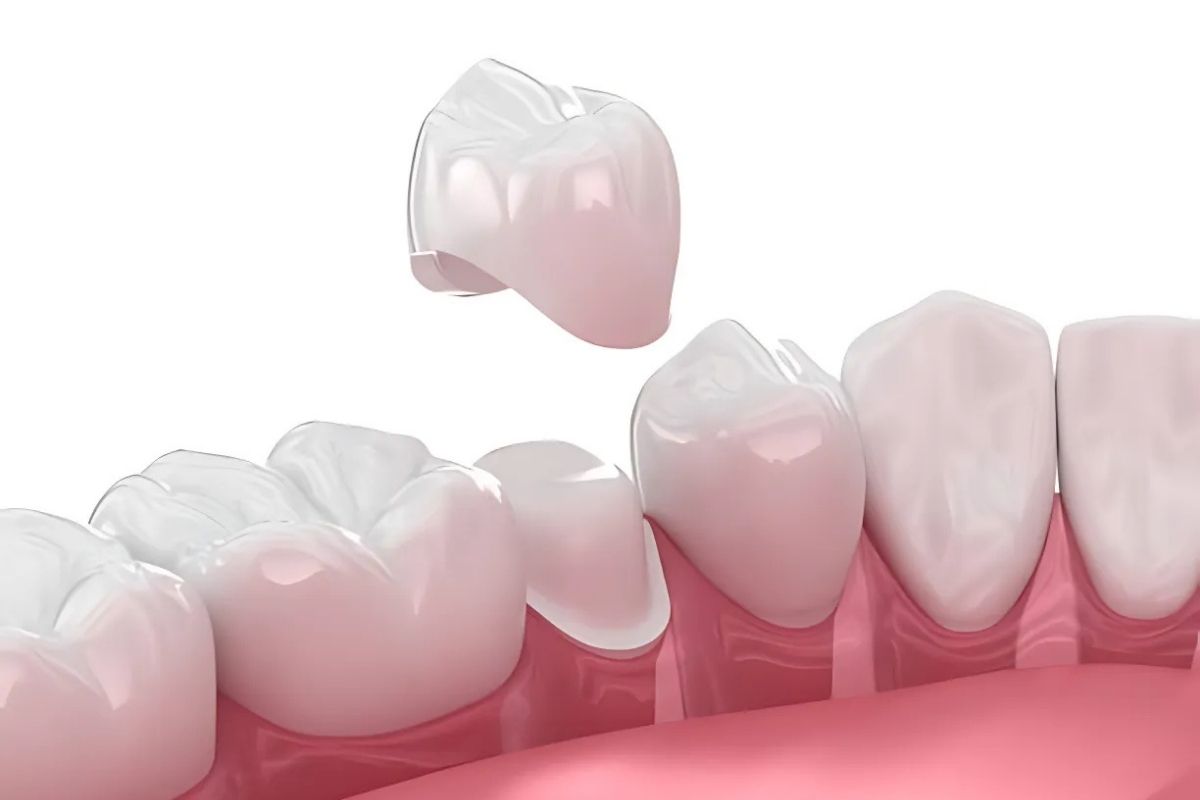

Have you ever wondered what happens when a tooth gets damaged? Many people face this issue after decay, cracks, or injury. A dental crown often steps in as a reliable fix. It caps the tooth to restore function and appearance. But how does its strength measure up to what nature gave you? This post dives into that question. You’ll get clear facts to ease your mind.
Understanding Dental Crowns
Dental crowns act like protective helmets for teeth. They cover the visible part above the gum line. Dentists use them after root canals or large fillings. They also help with broken teeth or cosmetic improvements. Crowns mimic the shape and color of real teeth. This makes them blend in seamlessly.
Modern crowns come in various types. Some focus on looks. Others prioritize toughness. The choice depends on the tooth’s location and needs. Back teeth handle more chewing force. Front ones need to look natural.
The Strength of Natural Teeth
Natural teeth are marvels of biology. Enamel, the outer layer, is the hardest substance in your body. It withstands daily biting and grinding. Dentin underneath adds support. It flexes slightly to absorb shocks.
Yet, teeth aren’t invincible. Decay weakens enamel. Cracks can form from accidents. Over time, wear erodes strength. A healthy tooth bites with force up to 200 pounds. But damage reduces this. That’s where crowns help restore power.
Materials Used in Dental Crowns
Crown materials vary widely. Porcelain offers a natural look. It matches tooth color well. Zirconia stands out for its toughness. It’s often used in high-stress areas. Metal crowns provide top durability. They rarely chip or break.
Each material has unique properties. Porcelain fuses to metal for added strength. All-ceramic options suit allergy concerns. Your dentist picks based on your bite and habits.
Here’s a table comparing approximate compressive strength in MPa (megapascals), a measure of how much pressure materials can handle before breaking:
| Material | Compressive Strength (MPa) | Key Notes |
|---|---|---|
| Natural Enamel | 300-400 | Hard but can wear over time; flexible dentin supports it. |
| Porcelain | 100-200 | Aesthetic; good for front teeth but more prone to chipping. |
| Zirconia | 800-1200 | Extremely durable; ideal for molars; resists fractures. |
| Gold/Metal Alloy | 200-500 | High strength; long-lasting; less aesthetic but reliable. |
These stats show zirconia often exceeds enamel in raw strength. But natural teeth have built-in flexibility.
Factors Affecting Durability
Several things influence crown longevity. Proper fit is key. A well-placed crown distributes force evenly. Oral habits matter too. Grinding teeth at night adds stress. Using a night guard helps.
Maintenance plays a big role. Brush twice daily. Floss around the crown. Avoid hard foods like ice. Regular check-ups catch issues early. With care, crowns last 10-15 years or more.
Natural teeth benefit from saliva’s protection. It fights bacteria. Crowns don’t have this. So, good hygiene is crucial.
Addressing Common Concerns
Many worry if crowns feel different. At first, yes. But you adjust quickly. They chew like real teeth. Pain after placement is rare. It usually fades fast.
Another concern is sensitivity. Crowns cover nerves if prepped right. They protect against hot or cold. If issues arise, see your dentist promptly.
People often ask about failure risks. Crowns can loosen over time. But this is uncommon with quality work. Decay under the crown is possible. Flossing prevents it.
Dental crowns in Hewlett offer a solid solution for those needing restoration. They integrate well with your smile.
When to Consider a Crown
Large cavities make fillings unstable. Crowns provide better support. After root canals, teeth become brittle. A crown strengthens them.
Cracked teeth need protection. Crowns hold pieces together. For worn teeth, they rebuild height. This improves bite alignment.
Caring for Your Crown
Treat crowns like natural teeth. Use soft-bristle brushes. Non-abrasive toothpaste works best. Rinse with mouthwash daily.
Avoid sticky candies. They can pull crowns. Chew on both sides. This balances wear.
If you play sports, wear a mouthguard. It shields crowns from impacts.
Trending FAQs on Dental Crown Strength
Here are some trending FAQs based on what people frequently search on Google about dental crown strength compared to natural teeth:
- Are dental crowns stronger than natural teeth? In many cases, yes, especially if the natural tooth is damaged. Materials like zirconia can outperform weakened enamel in resisting fractures, but healthy natural teeth have natural flexibility.
- How long do dental crowns typically last? With proper care, 10-15 years or longer. Durability depends on material, oral habits, and maintenance.
- Can a dental crown break or chip? Yes, though rare with strong materials. Avoid biting hard objects to minimize risks.
- What materials make dental crowns the strongest? Zirconia and metal alloys offer the highest strength, ideal for back teeth under heavy pressure.
- Is a dental crown better than a large filling? Often, yes, for extensive damage. Crowns provide full coverage and better long-term protection.
These answers address top queries to help you decide.
Benefits of Modern Crown Technology
Advances make crowns more reliable. Digital scans ensure precise fits. Laser prep reduces discomfort. These tools improve outcomes.
Crowns restore confidence. You eat favorites without worry. They prevent further damage too.
If you’re experiencing tooth issues, consulting a professional helps. A dentist in Hewlett, NY, can assess your needs with expertise.
Choosing the right restoration matters. Crowns offer proven results. They enhance daily life.
Your smile deserves the best care. Schedule an appointment today to explore options and keep your teeth strong.