
Have you noticed your teeth feeling shorter or more sensitive lately? Tooth wear happens to many people over time. It can make eating uncomfortable and change your smile. But there’s good news. Solutions exist to restore strength and look. This post explores one popular option that rebuilds affected teeth effectively. You’ll learn what causes the issue and how to address it with confidence.
Understanding Tooth Wear and Its Causes
Tooth wear sneaks up gradually. It erodes enamel, the hard outer layer. Common culprits include grinding during sleep, known as bruxism. Acidic foods and drinks contribute too. Aging plays a role as well. Over years, constant use flattens biting surfaces. This exposes inner dentin, leading to sensitivity. Pain might strike with hot or cold items. Chewing efficiency drops. Appearance suffers with uneven edges. Early signs? Check for yellowing or notches near gums. Ignoring it risks cracks or breaks. Restorative dentistry steps in here. It aims to protect remaining structure.
How Dental Crowns Restore Worn Teeth
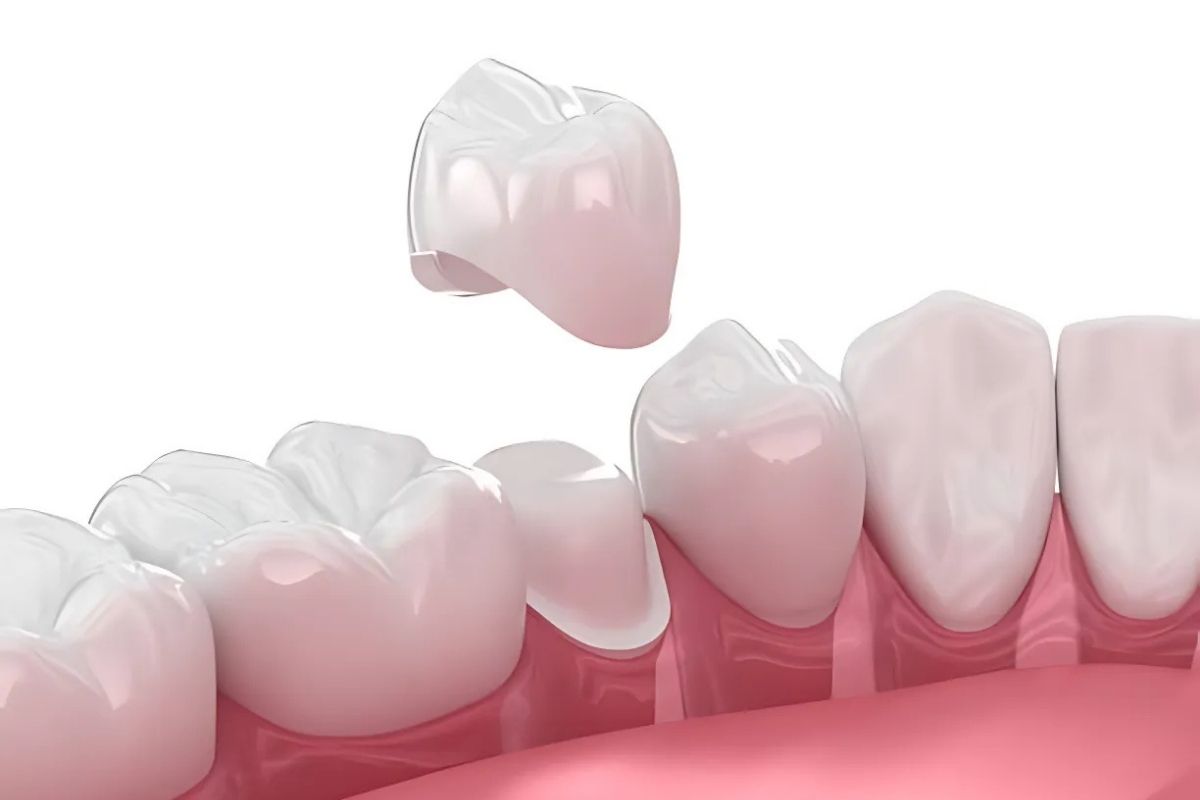
Dental crowns act like protective caps. They cover the entire visible tooth. For worn-down cases, they rebuild height and shape. This restores normal bite alignment. Materials vary, including porcelain for natural looks. Ceramic options blend seamlessly with surrounding teeth. Strength comes from reinforced designs. They handle daily pressures well. If enamel loss is severe, a crown prevents further damage. It shields against fractures. Many patients regain comfort quickly. Local practices often use digital scans for precise fits. This ensures durability. In areas like Hewlett, advanced tools enhance outcomes.
Worn teeth benefit from this approach. It addresses both function and aesthetics. No more hiding your smile. Confidence returns with a seamless repair.
The Dental Crown Procedure Step by Step
Getting a crown involves straightforward steps. First, the dentist examines the tooth. X-rays confirm no deeper issues. Then, they prepare by reshaping slightly. This makes space for the cap. An impression captures exact details. A temporary version protects meanwhile. Labs craft the final piece. It matches color and form. At the next visit, they bond it securely. Adjustments ensure comfort. The process spans two appointments usually. Modern techniques minimize discomfort. Laser tools allow precise work in some cases. Healing is quick. Most resume normal activities right away.
Benefits of Dental Crowns for Worn-Down Teeth
Crowns offer multiple advantages. They strengthen weakened structures. This reduces break risks. Chewing power improves noticeably. Sensitivity often decreases. Aesthetics get a boost too. Uneven wear evens out. Long-term protection guards against more erosion. With proper care, they endure years. Brushing and flossing maintain them easily. Regular check-ups spot issues early. Patients report better quality of life. No more avoiding favorite foods. Smiles look youthful again. For those with bruxism, combining with night guards helps. This holistic fix tackles root causes.
| Statistic | Detail | Source Insight |
|---|---|---|
| Prevalence of Tooth Wear | About 30% of adults show moderate to severe enamel erosion by age 50. | Based on dental health studies. |
| Crown Success Rate | Over 95% of crowns last 10+ years with good oral hygiene. | From restorative dentistry reports. |
| Bruxism Impact | Up to 20% of people grind teeth, accelerating wear. | Common in urban populations like NY. |
Addressing Common Concerns About Tooth Wear
Many worry about ongoing damage. Crowns halt progression effectively. They distribute bite forces evenly. This eases jaw strain. Alternatives exist, like veneers for minor cases. But crowns suit extensive wear best. Maintenance is simple. Avoid hard candies or ice chewing. Use non-abrasive toothpaste. Fluoride strengthens enamel remnants. Lifestyle tweaks help too. Reduce soda intake. Stay hydrated to combat dry mouth. These steps support crown longevity. Schedule an appointment if symptoms persist. Early intervention saves teeth.
Trending FAQs on Dental Crowns for Worn Teeth
People often search for answers on this topic. Here are some frequently asked questions based on common Google queries, with clear responses:
- What causes teeth to wear down over time? Grinding, acidic diets, and aging erode enamel. Bruxism at night speeds it up. Address habits early to slow it.
- How long do dental crowns typically last? With care, 10 to 15 years is common. Materials and hygiene influence duration. Regular visits extend life.
- Is the process of getting a crown painful? Most feel little discomfort. Numbing ensures ease. Modern methods like lasers reduce sensitivity during prep.
- What are alternatives to crowns for worn teeth? Bonding or veneers work for mild wear. Severe cases need crowns for full coverage. Consult for personalized options.
- Can dental crowns prevent further tooth wear? Yes, they protect surfaces from grinding and erosion. Pair with guards for best results.
These cover top concerns from online searches.
If you’re dealing with sensitivity or uneven bite, seeing a dentist in Hewlett, NY, makes sense. They use cutting-edge tools for accurate assessments. This leads to tailored plans that fit your needs.
Restoring worn teeth transforms daily life. Simple fixes bring big changes. Comfort and confidence follow.
Taking that first step matters. Schedule an appointment today to explore options. Your smile deserves attention.