Ever felt a sudden twinge while chewing? That could signal a deeper issue. Many people overlook minor dental discomforts, but they can escalate quickly. Let’s dive into how something as simple as a tooth crack might lead to serious trouble, and what you can do about it.
Understanding Cracked Teeth
Cracks in teeth happen more often than you think. They stem from everyday habits like grinding or biting hard foods. Sports injuries or accidents add to the risk too.
Not all cracks are visible. Some hide below the surface. Hairline fractures might not hurt at first. Over time, they weaken the tooth structure.
Daily wear plays a role. Enamel, the outer layer, protects the inside. Once compromised, problems brew. Bacteria find their way in easily.
How Cracks Lead to Infections
A crack opens a path for germs. These invaders reach the pulp, the soft center with nerves and blood vessels. Infection sets in when bacteria multiply there.
Pulp inflammation follows. This causes swelling and pressure. Untreated, it turns into an abscess, a pocket of pus.
Deep decay or repeated dental work heightens the chance. Trauma from falls or hits does the same. The infection spreads if ignored.
Pain signals the start. Sensitivity to hot or cold foods grows. Chewing becomes tough. These signs point to pulp damage.
Signs You Might Need a Root Canal
Watch for persistent ache. It often worsens at night. Swelling around the gum or face appears next.
Darkening of the tooth hints at nerve death. Bad breath or a foul taste lingers. Pus drainage from the gum is a red flag.
Fever or swollen lymph nodes means the body fights back. Don’t wait if these show up. Early action saves the tooth.
Treatment Options for Cracked Teeth
Restorative care helps most cases. Bonding seals small cracks. For larger ones, a cap protects the tooth.
If infection reaches the pulp, endodontic therapy cleans it out. The process removes damaged tissue and seals the space.
Laser tools make it precise and less invasive. Recovery is faster with modern methods. Follow-up ensures healing.
Many patients opt for dental crowns to safeguard their repaired teeth after treatment. This adds strength and prevents future breaks.
Preventive Measures to Avoid Infections
Protect your smile daily. Wear a mouthguard during sports. Avoid chewing ice or hard candy.
Regular check-ups catch issues early. Brush twice a day. Floss to remove trapped food.
Grinding? A night guard helps. Stay hydrated to keep saliva flowing, which fights bacteria.
Trending FAQs on Cracked Teeth and Root Canals
Here are some common questions people search for on this topic, based on frequent Google queries:
- Can a cracked tooth heal on its own? No, most cracks don’t self-repair. They often worsen, allowing bacteria in. See a professional for evaluation to prevent infection.
- What happens if you ignore a cracked tooth? It can lead to pulp infection, abscess, or tooth loss. Pain increases, and bacteria may spread to nearby areas.
- How do you know if a cracked tooth needs a root canal? Look for severe pain, swelling, or sensitivity. An X-ray confirms if the pulp is affected.
- Is a root canal painful? Modern techniques make it comfortable, like a deep filling. Anesthesia numbs the area during the procedure.
- Can a cracked tooth cause other health issues? Yes, untreated infections might affect the jaw or lead to systemic problems if bacteria enter the bloodstream.
Statistics on Cracked Teeth and Root Canals
Here’s a quick look at key data from dental studies:
| Statistic | Value/Source Insight |
|---|---|
| Prevalence of cracked posterior teeth in adults | Nearly 70% of dental patients have at least one (common in molars) |
| Success rate of root canal treatments | Over 95% effective long-term |
| Cracked teeth needing root canal after crowning | Only 20% within 6 months if crowned early |
| Survival rate for treated cracked teeth (probing depth <5mm) | 86.5%–100% over time |
These numbers show early intervention boosts outcomes.
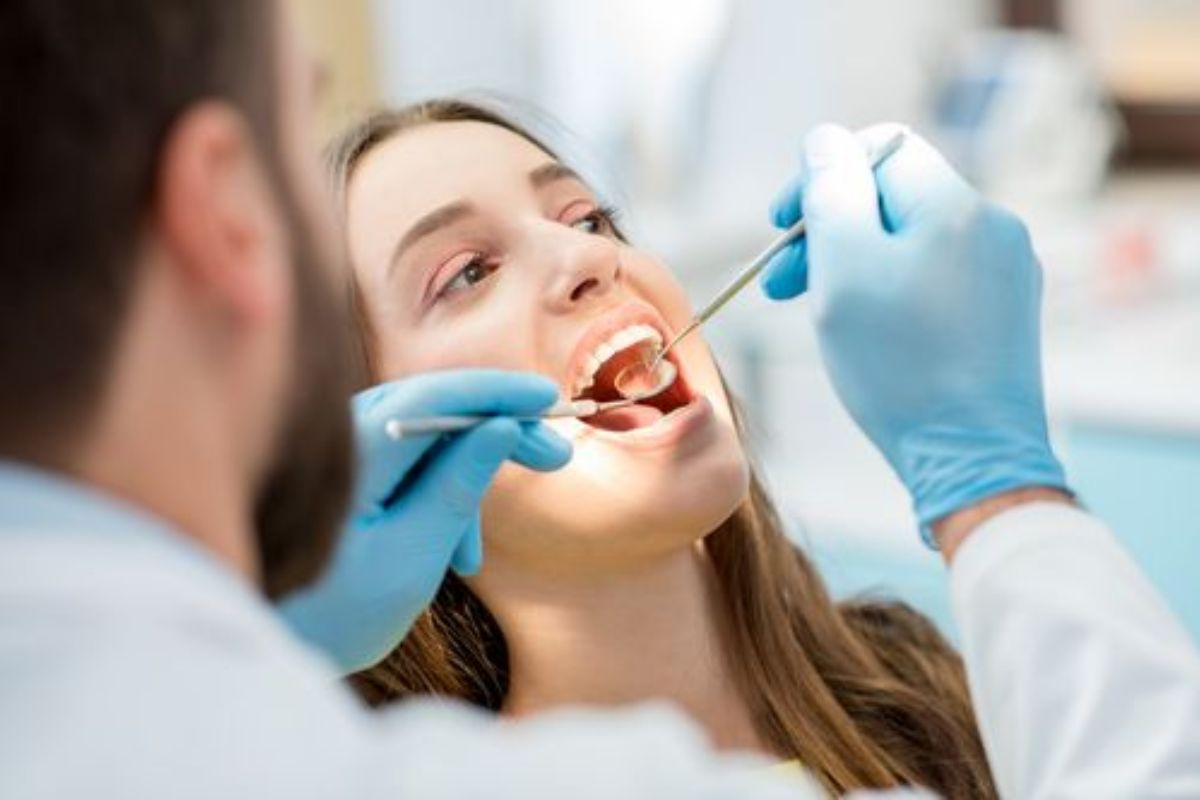
If symptoms persist, schedule an appointment soon. Delaying can complicate things. A thorough exam pinpoints the cause.
Advanced tools like digital imaging help diagnose accurately. Trust experienced care for the best results. Your oral health deserves attention.
Finding a reliable dentist in Hewlett, NY, makes all the difference in managing these issues effectively.
In the end, addressing a cracked tooth promptly prevents bigger headaches. Stay proactive about your dental routine. It keeps your smile strong and healthy.
Ready to take the next step? Reach out to schedule an appointment today for personalized guidance.