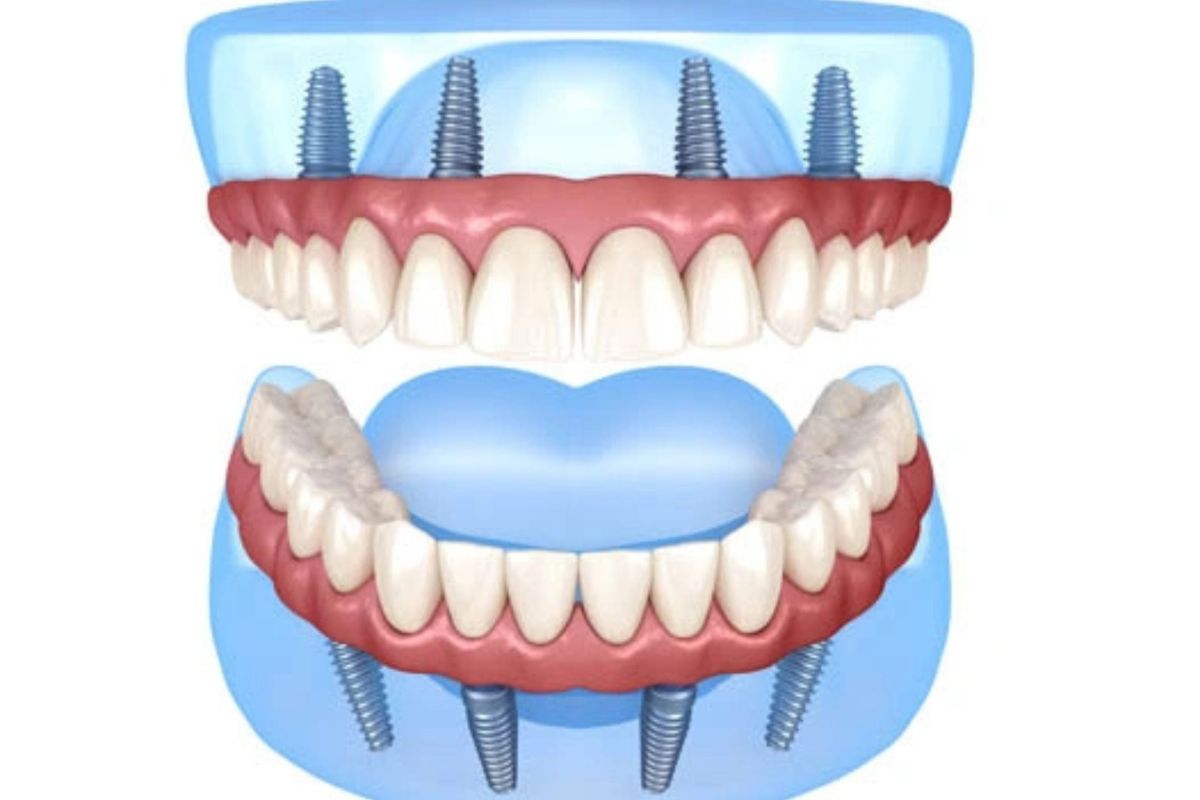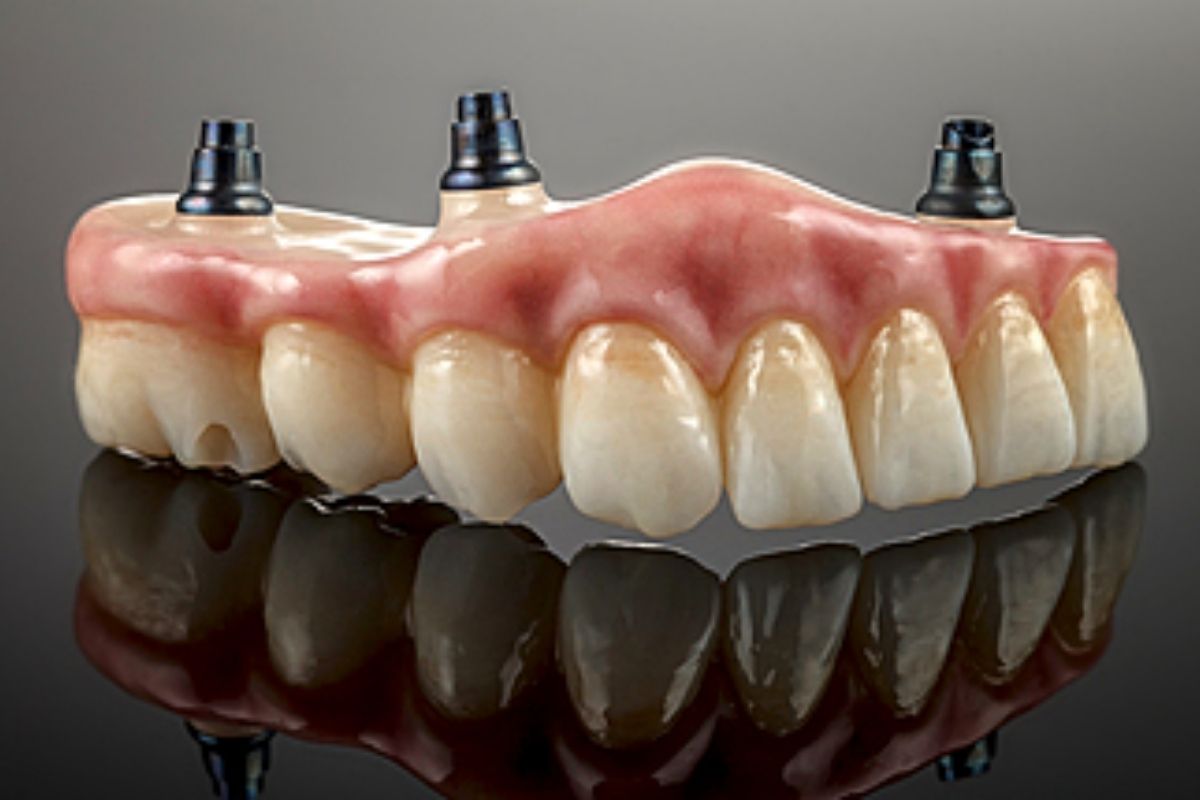
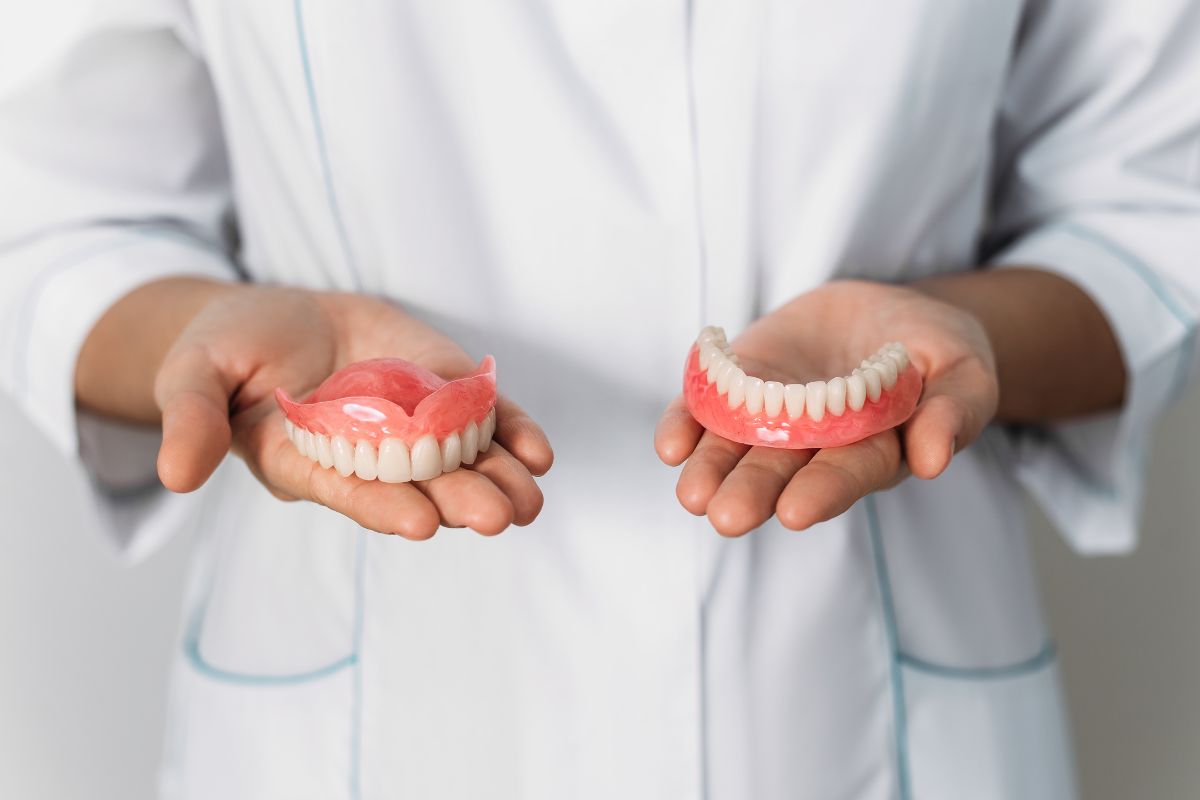
Dentures bring back the joy of smiling, speaking clearly, and sharing meals with loved ones. The adjustment period can feel tricky at first. You want to protect your new smile while rediscovering favorite foods without discomfort or worry. This guide offers clear, practical advice to help you eat confidently and keep your dentures in great shape for years.
Understanding the Challenges of Eating with Dentures
Dentures rest gently on your gums instead of rooting like natural teeth. This makes them versatile but also sensitive to certain pressures and textures. Uneven force can cause slipping, gum irritation, or even cracks over time. Many patients who undergo our dentures procedure in Hewlett, NY, notice smoother transitions when they learn simple eating strategies early on. The key lies in balance—protecting stability while still enjoying varied meals.
Start by focusing on how your mouth feels during the adjustment phase. Proper fit plays a huge role in daily comfort. Regular check-ups help catch minor issues before they grow. With mindful choices, most people return to nearly normal eating habits within weeks.
Hard and Crunchy Foods That Risk Damage
Hard items demand strong biting force that dentures struggle to handle. They often create uneven pressure, leading to looseness or fractures in the material. Common culprits include nuts, unpopped popcorn kernels, raw carrots, whole apples, corn on the cob, hard candies, and ice cubes.
These foods can also chip edges or push dentures out of alignment. The result? Soreness and extra trips for adjustments. Skip them or prepare them differently. Steam vegetables until soft. Cut apples into tiny slices or choose applesauce instead.
Here’s a helpful overview:
| Category | Foods to Avoid | Why It’s Risky | Safer Alternatives |
|---|---|---|---|
| Hard/Crunchy | Nuts, popcorn, raw carrots | Causes cracks or shifting | Cooked veggies, mashed potatoes |
| Crunchy Fruits | Whole apples, corn on the cob | Uneven pressure on gums | Soft fruits, smoothies |
| Hard Snacks | Hard candies, ice | Potential fractures | Yogurt, pudding, soft cheeses |
This simple swap keeps your dentures secure while adding nutrition.
Sticky Foods to Handle with Care
Sticky foods create another common challenge. Caramel, taffy, gummy candies, chewing gum, and even thick peanut butter cling tightly to surfaces. They pull at the base, risking dislodgement and making cleaning tough. Small bits often hide underneath, causing irritation or bad breath.
Avoid these when possible, especially during the early weeks. If you crave something sweet, opt for softer chocolates that melt quickly or fresh berries. Clean your dentures thoroughly after any meal to remove residue.
Chewy and Tough Textures to Limit
Tough meats like steak, ribs, jerky, or pork chops require prolonged, forceful chewing. This strains the fit and tires your jaw muscles. Crusty breads and dense bagels fall into the same group. They resist breaking down easily, which can lead to sore spots.
Cut meats into very small pieces and cook them until tender. Choose ground meats, fish, or eggs for protein instead. Over time, your technique improves, but starting gently prevents setbacks.
Foods with Small Particles That Get Trapped
Tiny seeds and grains slip under dentures easily. Sesame seeds on buns, poppy seeds, quinoa, and popcorn hulls create friction against sensitive gums. The discomfort builds quickly and invites inflammation.
Rinse your mouth after eating or remove dentures for thorough cleaning when needed. Choose seedless breads or smooth grains like white rice during busier days.
Smart Tips for Enjoying Meals with Dentures
Success comes from small habits that add up. Begin with soft foods like scrambled eggs, oatmeal, soups, and mashed potatoes during the first days or weeks. Cut all food into bite-sized pieces. Chew slowly using both sides of your mouth for even pressure. Stay upright while eating to improve control.
Practice with different textures gradually. Use denture adhesive if your dentist recommends it for extra security during active days. Stay hydrated— it helps your mouth feel more comfortable overall. Most importantly, attend follow-up visits. Minor adjustments make a big difference in long-term stability and confidence.
Trending FAQs About Foods and Dentures
People frequently search for clear answers on this topic. Here are some of the most common questions with helpful responses:
- What foods can you not eat with dentures? Hard items like nuts and popcorn, sticky candies, tough meats, and foods with small seeds top the list. They risk damage, slipping, or irritation.
- Can you eat steak with dentures? Yes, but prepare it well. Cut into tiny pieces and choose tender cuts. Avoid very tough or chewy steaks until you feel fully adjusted.
- How long after getting dentures can I eat normally? Most people start soft foods immediately and progress to firmer textures within a few weeks. Full comfort often arrives after several adjustments.
- Do dentures make it hard to eat certain foods? They can at first, especially crunchy or sticky ones. Practice and proper fit reduce these challenges significantly over time.
- What are the best foods to eat with new dentures? Soft options work wonderfully: yogurt, mashed potatoes, scrambled eggs, cooked vegetables, soups, and smoothies. These support healing and easy chewing.
- Can popcorn or nuts damage dentures? Yes. Kernels and hard pieces apply uneven force that may crack or loosen them. Opt for softer snacks instead.
These questions reflect real concerns many denture wearers face daily.
If you are searching for an expert prosthodontist near you, reach out to a qualified specialist who can provide personalized support for lasting comfort and confidence.
Embracing these guidelines opens the door to flavorful, worry-free meals. Your dentures are tools for a fuller life. Care for them thoughtfully, listen to your body, and celebrate the small wins along the way. A confident smile and enjoyable dining experiences truly go hand in hand.