Dealing with a failed dental implant can feel overwhelming. You might worry about pain, function, or even starting over. Many people face this issue after an initial procedure doesn’t hold up. The good news is that options exist to restore your smile. This post explores whether a specific approach can help turn things around. We’ll cover causes, solutions, and what to expect. Read on for clear insights.
Understanding All-on-4 Implants
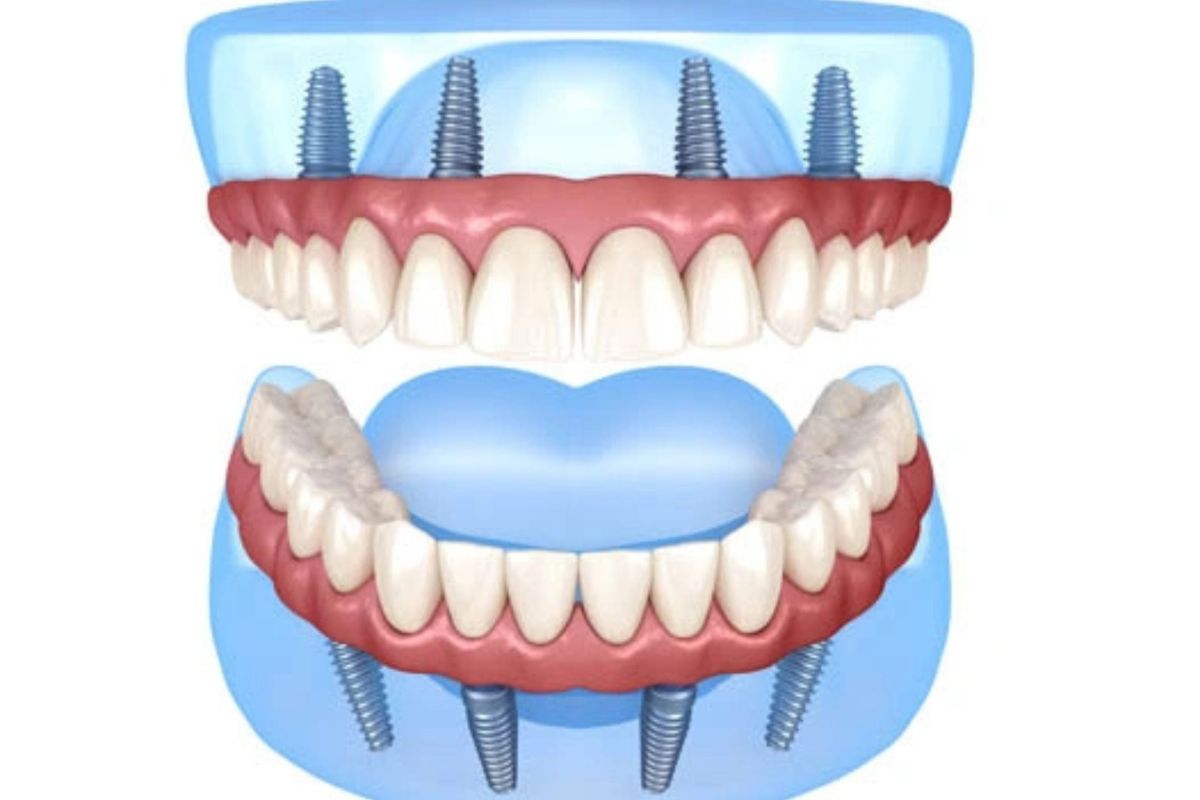
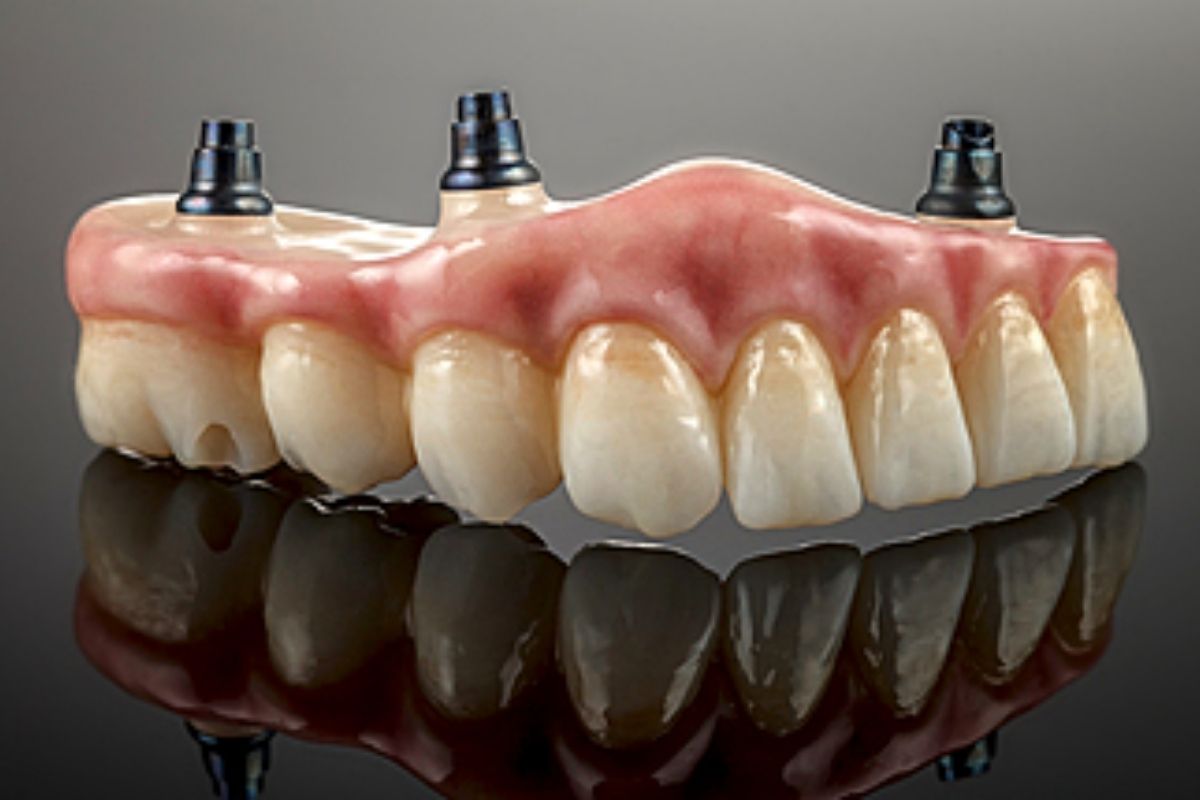
All-on-4 implants offer a full-arch restoration. They use four titanium posts to support a set of teeth. These posts anchor into the jawbone. The design tilts two rear implants for better stability. This method suits those with bone loss. It avoids extensive grafting often. Surgery happens in one day. Patients leave with temporary teeth. Final prosthetics come later. This streamlines recovery. It boosts chewing and speaking. Many regain confidence quickly.
Common Causes of Implant Failure
Implants fail for several reasons. Poor bone integration tops the list. Infection around the site plays a role. Overloading from grinding stresses them. Smoking slows healing. Medical conditions like diabetes raise risks. Improper placement leads to issues. Lack of aftercare invites problems. Early signs include swelling or looseness. Catching them helps. Not all failures mean total loss. Some need minor tweaks.
Evaluating a Failed Implant Procedure
Assess the failure first. X-rays show bone health. CT scans reveal details. Check remaining implants. Some stay viable. Others need removal. Bone quality matters most. If degraded, options narrow. Consult a specialist early. They review history and exams. This guides the next steps. Patience pays off here.
All-on-4 implants in Hewlett, NY, provide a reliable way to rebuild after setbacks. Local experts use advanced techniques. They focus on personalized plans.
How All-on-4 Can Fix Previous Failures
All-on-4 often rescues failed cases. It repurposes healthy bone areas. Tilted implants maximize support. This bypasses weak spots from prior issues. Remove failed posts first. Then place new ones strategically. Success depends on bone volume. If low, minor grafts help. The method reduces surgery time. Many patients qualify despite past problems. It restores full function. Smiles look natural again.
Benefits of Choosing All-on-4 for Revisions
This approach cuts treatment steps. Fewer implants mean less invasion. Recovery speeds up. It handles bone loss well. Durability stands out. Prosthetics resist wear. Maintenance stays simple. Brush and floss like natural teeth. Regular check-ups ensure longevity. It improves quality of life. Eat favorites without worry. Speak clearly. Feel secure.
Key Statistics on All-on-4 Success
Here’s a table with relevant stats from studies:
| Aspect | Statistic | Source Notes |
|---|---|---|
| Implant Survival Rate | 94.8% – 98.3% over 3-10 years | Longitudinal studies on 245-1,109 implants |
| Prosthetic Success Rate | 99.2% | 10-year follow-up with 1,072 patients |
| Overall Procedure Success | Over 95% with good care | General clinical reviews |
| Failure Rate per 100 Implants | 2-4% | Placement data analysis |
These numbers show high reliability. Proper care boosts outcomes.
Potential Risks and How to Mitigate Them
Risks include infection or rejection. Follow hygiene rules. Avoid smoking. Attend follow-ups. Choose experienced providers. They spot issues early. Prep with health checks. This lowers complications. Most revisions succeed. Stay informed.
The Process Step by Step
Start with a consultation. Discuss history. Plan via imaging. Surgery day arrives. Extract if needed. Place implants. Attach temporaries. Heal over months. Fit permanents. Adjust for comfort. Ongoing care follows.
Trending FAQs on All-on-4 for Failed Implants
Here are common questions from searches:
- What happens if one of my All-on-4 dental implants fails?
If one fails, remove it. The rest often support the bridge. Replace as needed without a full redo. - Can a failed dental implant be replaced?
Yes, most can. Remove the old one. Graft bone if required. Place a new implant after healing. - How long do All-on-4 dental implants last?
With care, 10-20 years or more. Studies show 95% success at 10 years. - What are the risks of All-on-4 implants?
Infection, nerve issues, or sinus problems. Skilled placement minimizes them. - Is All-on-4 suitable after previous implant failure?
Often yes. It uses different angles to avoid weak areas.
These address top concerns.
If you are searching for a prosthodontist near you serving in Hewlett, NY, consider specialists who handle complex cases with precision.
Preparing for Your All-on-4 Journey
Prep by quitting bad habits. Eat nutritious foods. Manage health conditions. Ask questions upfront. Know the timeline. Support from family helps. Visualize the end result. It motivates.
In conclusion, failed implants don’t mean the end. All-on-4 provides a strong path forward. It rebuilds smiles effectively. Take the first step today. Call (516) 239-6204 to schedule an appointment. Regain your confidence.