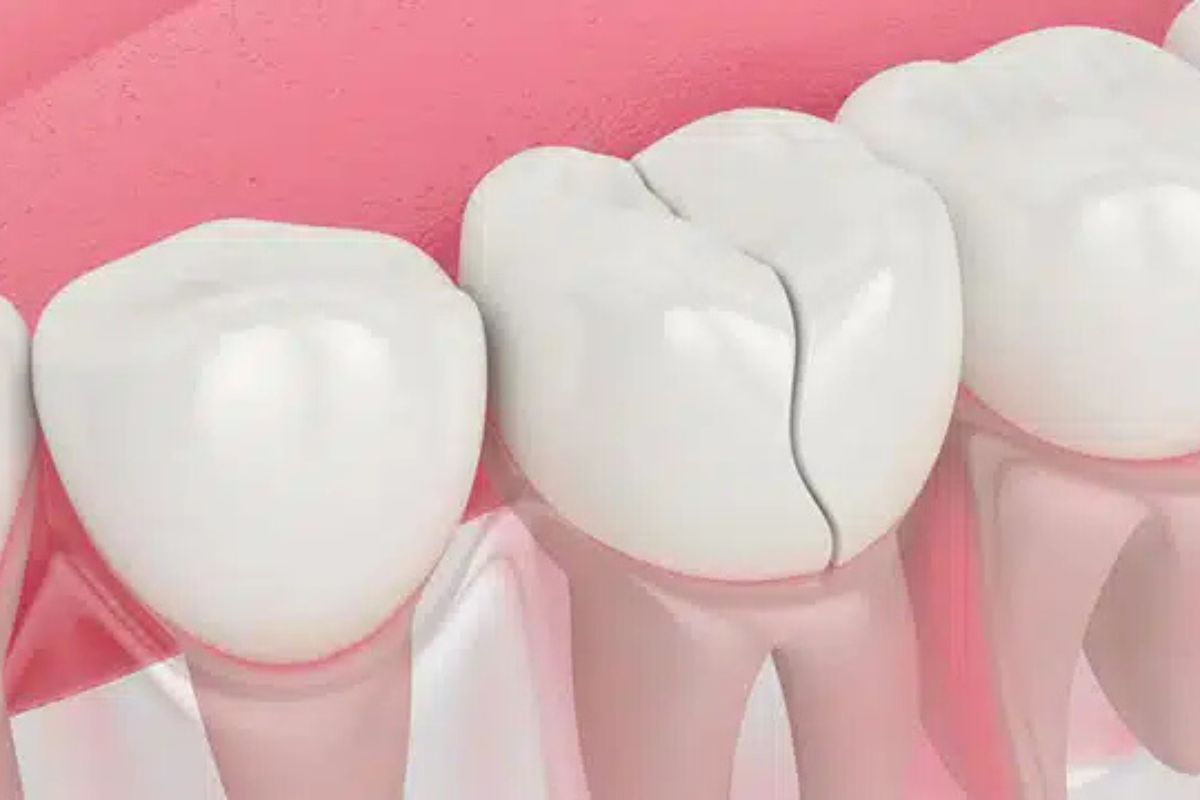

Cracked teeth are more common than you might think, and identifying one early is crucial to prevent further damage or discomfort. Whether you’ve bitten down on something hard or experienced facial trauma, a cracked tooth can happen to anyone. But how can you tell if you have a cracked tooth, and what should you do about it? In this guide, we will help you identify the signs and symptoms and discuss the treatment of cracked tooth options available.
Signs and Symptoms of a Cracked Tooth
Early detection of the symptoms of a broken tooth can help avoid more serious dental problems down the road. Here are some common symptoms:
1. Pain While Chewing
If you feel a sharp pain when biting down or chewing, it could be a sign that you have a cracked tooth. This pain typically occurs when pressure is applied to the cracked area. This is a common red indicator, albeit it may come and go, making it hard to determine the actual cause.
2. Sensitivity to Hot or Cold
A broken tooth may expose the inner layers of your teeth, increasing your sensitivity to hot and cold foods and liquids. Unexpected discomfort during eating or drinking could indicate a dental fracture.
3. Swelling Around the Gum Line
Inflammation or swelling around the gum area is another indicator that you may have a cracked tooth. This swelling can be localized near the affected tooth and might also lead to gum irritation or redness.
4. Pain Without a Clear Cause
Some people with cracked teeth experience pain without any obvious trigger. If you have intermittent pain that seems to occur spontaneously, even when you’re not chewing, it may be worth consulting a general dentist to rule out a crack.
How to Confirm If You Have a Cracked Tooth
If you’re experiencing any of the symptoms listed above, it’s important to consult with a General Dentist in Hewlett to get a proper diagnosis. Dentists use various methods to identify a crack in your tooth, including:
- Visual Examination: A general dentist or dentist will carefully inspect your tooth for visible cracks.
- Dental Probing: By applying gentle pressure, your dentist may be able to pinpoint the exact location of the crack.
- X-rays: While cracks don’t always show up on X-rays, your dentist may use them to rule out other causes of pain.
Types of Cracked Teeth
Not all cracks are the same. The type of crack you have will often determine the best course of treatment. Common types include:
- Craze Lines: These are tiny, superficial cracks in the enamel and generally don’t require treatment.
- Fractured Cusp: This happens when a fragment of the chewing surface of the tooth breaks off.
- Cracked Tooth: A crack that extends from the chewing surface toward the root. The treatment of cracked tooth in this case may involve bonding, a crown, or even a root canal, depending on the severity.
- Split Tooth: This occurs when a tooth is broken into two distinct parts, often requiring more extensive treatment or even extraction.
Treatment of a Cracked Tooth
The treatment of cracked tooth varies depending on the severity and type of the crack. Early diagnosis is key to preserving the tooth. Here are some common treatments:
1. Bonding
For minor cracks, your general dentist may recommend bonding. This involves applying a tooth-colored resin to fill the crack, restoring the tooth’s shape and function.
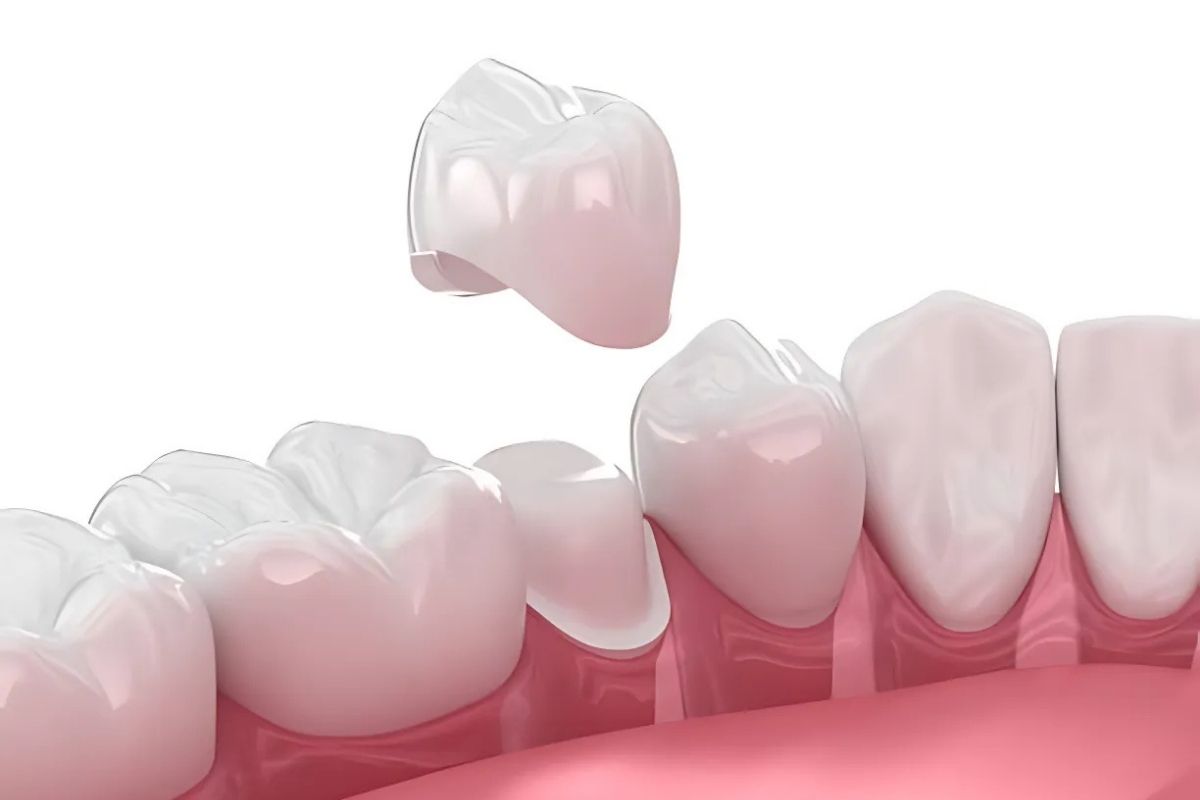
2. Dental Crowns
A dental crown can cover and protect a cracked tooth, particularly for more severe cracks. Crowns are durable and designed to last, providing relief from pain and restoring your tooth’s strength.
3. Root Canal Therapy
Root canal therapy can be required if the crack goes all the way into the tooth’s pulp. In order to stop additional infection, the injured pulp is removed during this surgery, and the tooth is sealed.
4. Tooth Extraction
In extreme cases, a tooth may be too damaged to repair, requiring extraction. This is typically a last resort when other treatment of cracked tooth options are not viable.
Preventing Future Cracks
It’s critical to take precautions against further harm once your damaged tooth has been fixed. The following advice can help you prevent more issues:
- Avoid Chewing on Hard Foods: Cracks can occur from hard items like candy and ice.
- Wear a Mouthguard: Whether you grind your teeth at night or play contact sports, wearing a mouthguard can help keep your teeth safe.
- Regular Dental Check-ups: Regular visits to a General Dentist in Hewlett can help catch potential problems early, before they develop into serious issues.
If a cracked tooth is not addressed, it can cause discomfort and worsening dental issues. By recognizing the symptoms and seeking timely treatment from a skilled professional, you can preserve your tooth and avoid future complications. If you suspect you have a cracked tooth, don’t hesitate to schedule an appointment with Smiles By Design in Hewlett, NY. The right treatment of cracked tooth can restore your smile and ensure your dental health for years to come.