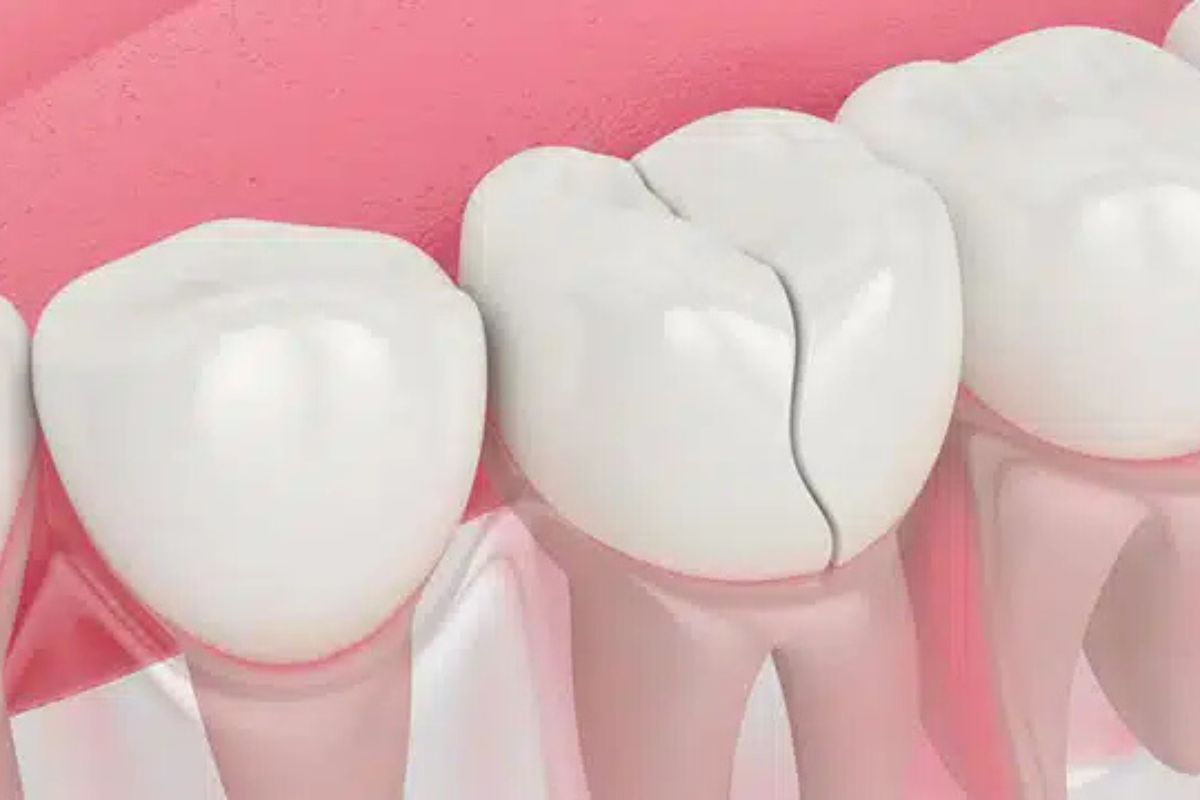
Cracked teeth can be a surprising and painful experience, often leaving you wondering how it happened and what to do next. Whether it’s a sudden sharp pain while chewing or a visible fracture you notice in the mirror, understanding the causes of cracked teeth is the first step toward addressing the issue. In this blog, we’ll explore the common reasons behind tooth fractures, how to recognize the signs, and what steps you can take to protect your dental health. Let’s dive into the factors that lead to cracked teeth and how you can manage this dental concern effectively.
Why Do Teeth Crack? Common Causes Explained
Teeth are incredibly strong, but they’re not indestructible. Several factors can lead to cracks, ranging from everyday habits to unexpected trauma. Here are the most common causes:
- Biting Hard Objects: Chewing on hard items like ice, hard candy, or even pens can exert excessive pressure on your teeth, leading to fractures.
- Teeth Grinding (Bruxism): Grinding or clenching your teeth, often during sleep, puts significant stress on enamel, making teeth more prone to cracking over time.
- Trauma or Injury: Accidents, such as a fall or a blow to the face, can cause immediate cracks, especially if the impact is direct.
- Temperature Extremes: Rapid temperature changes—like eating ice cream followed by hot soup—can weaken enamel and cause micro-fractures.
- Large Fillings: Teeth with large fillings may become structurally weaker, as the filling can compromise the tooth’s natural strength.
- Aging: As we age, teeth naturally lose elasticity and become more brittle, increasing the likelihood of cracks.
- Untreated Cavities: Cavities weaken tooth structure, and if left untreated, they can lead to fractures under normal chewing pressure.
Recognizing these causes can help you take preventive steps to protect your teeth from damage.
Signs and Symptoms of a Cracked Tooth
A cracked tooth doesn’t always cause immediate pain, but there are telltale signs to watch for. Identifying these symptoms early can prevent further damage. Look out for:
- Sharp pain when chewing or biting, especially on certain foods.
- Sensitivity to hot, cold, or sweet foods and drinks.
- Intermittent discomfort that comes and goes without a clear cause.
- Visible cracks or lines on the tooth surface.
- Swollen gums around the affected tooth indicate possible inflammation.
If you notice any of these signs, it’s wise to consult a dental professional promptly to assess the severity of the crack.
How Cracks Affect Your Oral Health
A cracked tooth isn’t just a cosmetic issue—it can impact your overall oral health. When a tooth fractures, it creates an entry point for bacteria, which can lead to infections or decay. If the crack extends into the pulp (the tooth’s inner nerve), it can cause significant pain and may require more extensive treatment. Additionally, untreated cracks can worsen over time, potentially leading to tooth loss. Addressing a crack early can prevent complications like gum disease, abscesses, or the need for extraction.
Preventing Cracked Teeth: Practical Tips
Prevention is always better than treatment when it comes to dental health. Here are some actionable steps to reduce your risk of cracked teeth:
- Avoid chewing on hard objects like ice, nutshells, or popcorn kernels.
- Wear a mouthguard if you grind your teeth at night or play contact sports.
- Be mindful of temperature extremes when eating or drinking.
- Address cavities promptly to maintain tooth strength.
- Use a soft-bristled toothbrush to avoid excessive enamel wear.
- Schedule regular dental checkups to catch issues early.
Incorporating these habits into your daily routine can go a long way in keeping your teeth strong and crack-free.
Cracked Tooth Treatment Options
If you suspect a cracked tooth, seeking professional care is essential. For those in the area, cracked tooth treatment in Hewlett, NY, offers a range of solutions depending on the crack’s severity. A dentist may recommend:
- Bonding: For minor cracks, a tooth-colored resin can seal the fracture and restore appearance.
- Crowns: A cap placed over the tooth can protect it from further damage and restore function.
- Root Canal: If the crack reaches the pulp, a root canal may be needed to remove damaged tissue and save the tooth.
- Extraction: In severe cases where the tooth can’t be saved, removal may be necessary.
A Hewlett Dentist can assess your situation and recommend the best course of action, ensuring your smile stays healthy and functional. Their expertise in handling tooth fractures can make all the difference in your recovery.
Trending FAQs on Cracked Teeth
To address common concerns, here are answers to frequently asked questions about cracked teeth, sourced from popular Google searches:
- What does a cracked tooth feel like?
You may feel sharp pain when chewing, sensitivity to temperatures, or intermittent discomfort that’s hard to pinpoint. - Can a cracked tooth heal on its own?
No, a cracked tooth cannot heal naturally. Professional treatment is necessary to prevent worsening damage. - How do you fix a cracked tooth at home?
You can’t fix a cracked tooth at home, but you can manage pain with a cold compress and avoid chewing on the affected side until you see a dentist. - Is a cracked tooth an emergency?
It depends on the severity. If you’re in severe pain or notice swelling, it’s best to seek immediate care.
These FAQs highlight the importance of professional intervention and dispel myths about self-treatment.
How to Care for Your Teeth After Treatment
Post-treatment care is crucial to ensure a full recovery and prevent future cracks. Follow these tips:
- Stick to soft foods like yogurt or mashed potatoes for a few days after treatment.
- Avoid chewing on the treated tooth until it’s fully healed.
- Maintain good oral hygiene by brushing twice daily and flossing gently.
- Attend follow-up appointments to monitor your recovery.
- Consider a custom nightguard if bruxism contributed to the crack.
Proper care can help your tooth heal and reduce the risk of further issues.
When to See a Dentist for a Cracked Tooth
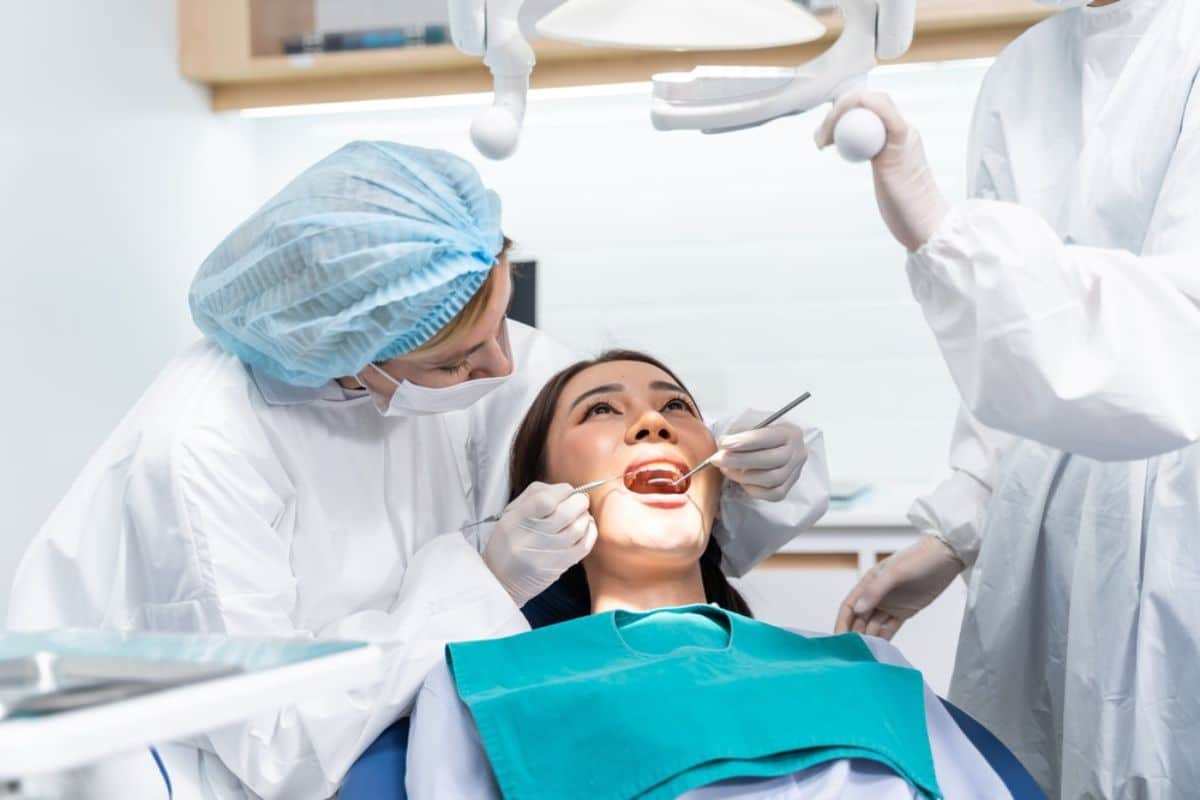
Don’t ignore a suspected cracked tooth, even if the pain is mild. Delaying treatment can lead to more severe damage, such as infection or tooth loss. Schedule an appointment if you experience persistent pain, sensitivity, or visible cracks. Early intervention can often save the tooth and prevent more invasive procedures. A dental professional can provide a thorough examination, often using X-rays to assess the crack’s depth and determine the best treatment plan.
Cracked teeth can be a startling dental issue, but understanding the causes and taking proactive steps can help you manage and prevent them. By avoiding harmful habits, recognizing symptoms early, and seeking timely care, you can protect your smile and maintain your oral health. If you’re dealing with a cracked tooth or want to learn more about prevention, don’t hesitate to reach out to a dental professional. With the right care, you can keep your teeth strong and healthy for years to come.