Dental implants have become a go-to solution for replacing missing teeth, offering a natural look and feel that can transform your smile and confidence. But one question often lingers in the minds of those considering this procedure: How long do dental implants actually last? To answer this, we’ll dive into expert insights from dentists, explore the factors that influence implant longevity, and provide practical tips to ensure your implants stand the test of time. Whether you’re researching tooth replacement options or already have implants, this guide will equip you with the knowledge you need for a lasting, healthy smile.
Understanding Dental Implants: A Foundation for Longevity
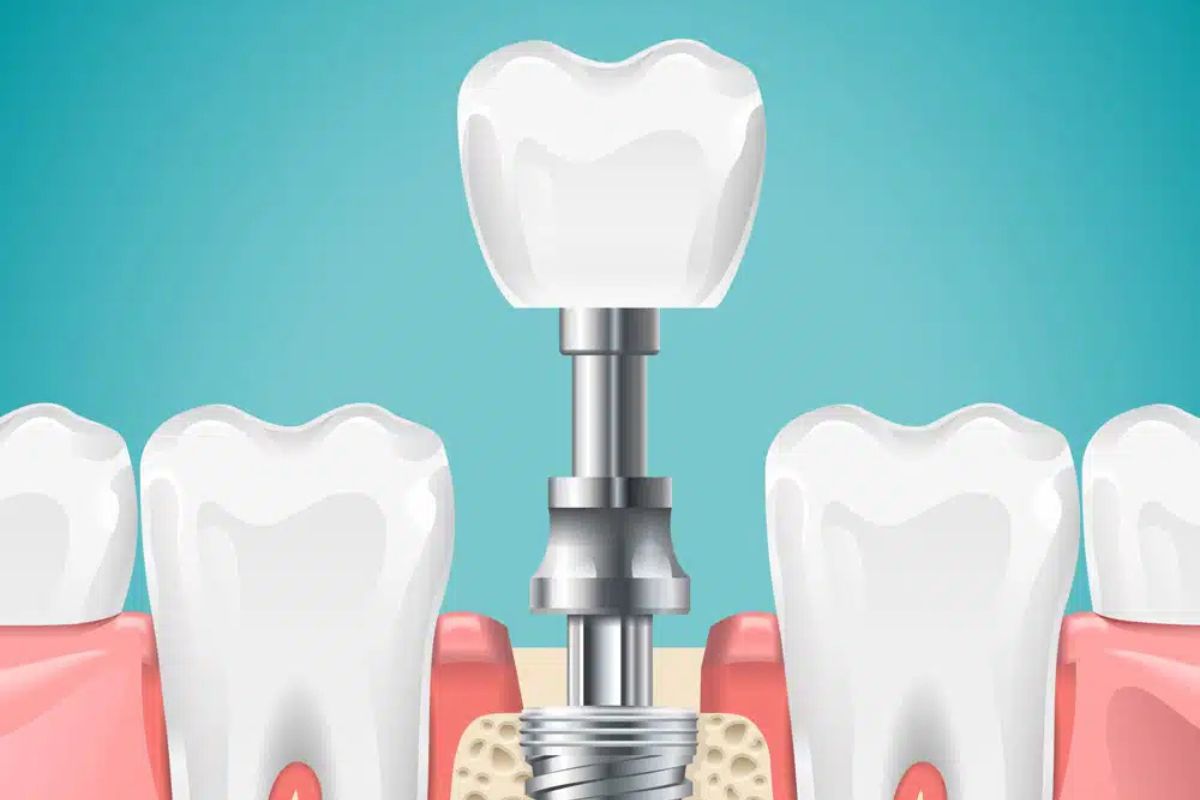
Dental implants are titanium posts surgically placed into the jawbone to act as artificial tooth roots. They provide a stable base for crowns, bridges, or dentures, mimicking the function of natural teeth. The key to their durability lies in a process called osseointegration, where the implant fuses with the jawbone, creating a strong and stable foundation. According to the American Academy of Implant Dentistry, implants have a success rate of around 98%, making them one of the most reliable tooth replacement options available. However, their lifespan isn’t just about the implant itself—it’s also about how well you care for it and the expertise of the dental professional who places it.
Factors That Influence How Long Dental Implants Last
The lifespan of dental implants can vary based on several factors. While some implants last a lifetime, others may need attention after a decade or two. Here’s what plays a role:
Quality of the Implant Procedure
The skill and experience of the dental professional performing the procedure are critical. Dentists who specialize in restorative dentistry are often the best choice for implant placement. Their expertise ensures precise placement, which is essential for long-term success. For those seeking dental implants in Hewlett, working with a local dentist can make all the difference in achieving optimal results.
Oral Hygiene Practices
Just like natural teeth, implants require consistent care. Brushing twice a day, flossing daily, and using an antibacterial mouthwash can prevent plaque buildup and gum disease, such as peri-implantitis, which can compromise the implant’s stability. Regular dental checkups also help catch potential issues early.
Bone Health and Density
The jawbone’s condition at the time of implant placement is a major factor. If the bone is healthy and dense, the implant is more likely to integrate successfully and remain stable over time. In cases of bone loss, procedures like bone grafting may be necessary to support the implant.
Lifestyle Habits
Habits like smoking or teeth grinding (bruxism) can negatively impact implant longevity. Smoking reduces blood flow to the gums, slowing healing and increasing the risk of infection. Bruxism can put excessive pressure on the implant, potentially causing mechanical failure over time.
Overall Health
Systemic conditions like diabetes or osteoporosis can affect healing and bone health, which in turn influence implant durability. Managing these conditions with your healthcare provider can help support the success of your implants.
What Do Experts Say About Implant Lifespan?
Dentists, who are specialists in tooth restoration and replacement, offer valuable insights into the longevity of dental implants. Many agree that with proper care, implants can last 20 years or more, often a lifetime. The titanium post itself is incredibly durable and resistant to decay, but the crown or prosthetic attached to it may need replacement after 10-15 years due to normal wear and tear. For those wondering where to find a “dentist near me“, connecting with a local specialist can provide personalized guidance on maintaining your implants for the long haul. These experts emphasize the importance of patient education, regular maintenance, and addressing issues like gum inflammation promptly to ensure implants remain functional for decades.
How to Maximize the Lifespan of Your Dental Implants
Taking proactive steps can significantly extend the life of your implants. Here are some practical tips to keep them in top shape:
Prioritize Oral Hygiene
Maintain a rigorous oral care routine. Use a soft-bristled toothbrush to avoid scratching the implant surface, and consider a water flosser for hard-to-reach areas. Antimicrobial mouth rinses can also reduce the risk of infection.
Attend Regular Dental Checkups
Schedule biannual visits with your dental professional for cleanings and exams. They can monitor the health of your implants and surrounding tissues, ensuring any issues are addressed early.
Avoid Damaging Habits
If you smoke, consider quitting to improve blood flow and healing. For teeth grinders, a custom nightguard can protect implants from excessive force. Also, avoid chewing on hard objects like ice or pens, which can damage the prosthetic.
Eat a Balanced Diet
A diet rich in calcium and vitamin D supports bone health, which is crucial for implant stability. Incorporate foods like leafy greens, dairy, and fish into your meals to strengthen your jawbone.
Address Health Issues Promptly
If you notice signs of gum inflammation, such as redness or swelling around the implant, don’t delay in seeking care. Early intervention can prevent complications like peri-implantitis, which can lead to implant failure if untreated.
Trending FAQs About Dental Implant Longevity
To address common concerns, here are some frequently asked questions about how long dental implants last, sourced from popular Google searches:
- How long do dental implants typically last?
With proper care, dental implants can last 20 years or more, often a lifetime. The crown may need replacement after 10-15 years due to wear. - Can dental implants fail over time?
Yes, implants can fail due to infection, poor bone integration, or mechanical issues, but this occurs in less than 5% of cases, according to the National Institute of Dental and Craniofacial Research. - Do dental implants require special care to last longer?
They don’t require special care beyond good oral hygiene, regular dental visits, and avoiding habits like smoking or chewing hard objects. - What happens if a dental implant wears out?
If the crown wears out, it can be replaced without removing the implant. If the implant itself fails, a dentist can assess whether replacement is an option.
The Role of Restorative Dentists in Ensuring Implant Success
Dentists play a pivotal role in the success and longevity of dental implants. Their advanced training in restorative dentistry allows them to handle complex cases, from initial placement to long-term maintenance. They also provide tailored advice on caring for implants, ensuring patients have the tools and knowledge to keep their smiles healthy. Choosing a dentist with a strong reputation can give you confidence that your implants are in expert hands, setting the stage for a lifetime of benefits.
Why Dental Implants Are a Worthwhile Investment
Dental implants offer more than just a replacement for missing teeth—they restore functionality, improve aesthetics, and boost self-esteem. Their ability to last for decades makes them a reliable choice for those seeking a permanent solution. By working with a skilled dentist and committing to proper care, you can enjoy the benefits of your implants for years to come. The key is to stay proactive, address issues early, and maintain a healthy oral environment to support your implants’ longevity.