Missing teeth affect more than just your smile. They can gradually change the shape of your face, weaken jaw support, and create a sunken appearance over time. Many people are surprised to learn how closely oral health and facial structure are connected. When teeth are lost, the jawbone no longer receives the stimulation it needs. This can lead to bone shrinkage and changes in facial contours.
Modern restorative dentistry offers long-term solutions that go beyond replacing teeth alone. Dental implants are designed to support oral function while helping preserve natural facial balance and jaw integrity. Understanding how this process works can help patients make informed decisions about their long-term dental health.
Why Does Tooth Loss Change Facial Appearance?
Your teeth play a major role in supporting facial muscles and maintaining jaw shape. Each tooth root stimulates the jawbone during chewing and speaking. When a tooth is missing, that stimulation disappears.
Over time, the bone in that area may begin to deteriorate. This process is called bone resorption. As bone volume decreases, facial muscles lose support. Common changes include:
Signs of Facial Changes After Tooth Loss
- Sunken cheeks
- Wrinkles around the mouth
- Thinner lips
- Jawline weakening
- A prematurely aged appearance
These changes can happen slowly. Many patients do not notice them until several teeth are missing or dentures begin fitting poorly.
How Do Dental Implants Help Preserve the Jawbone?
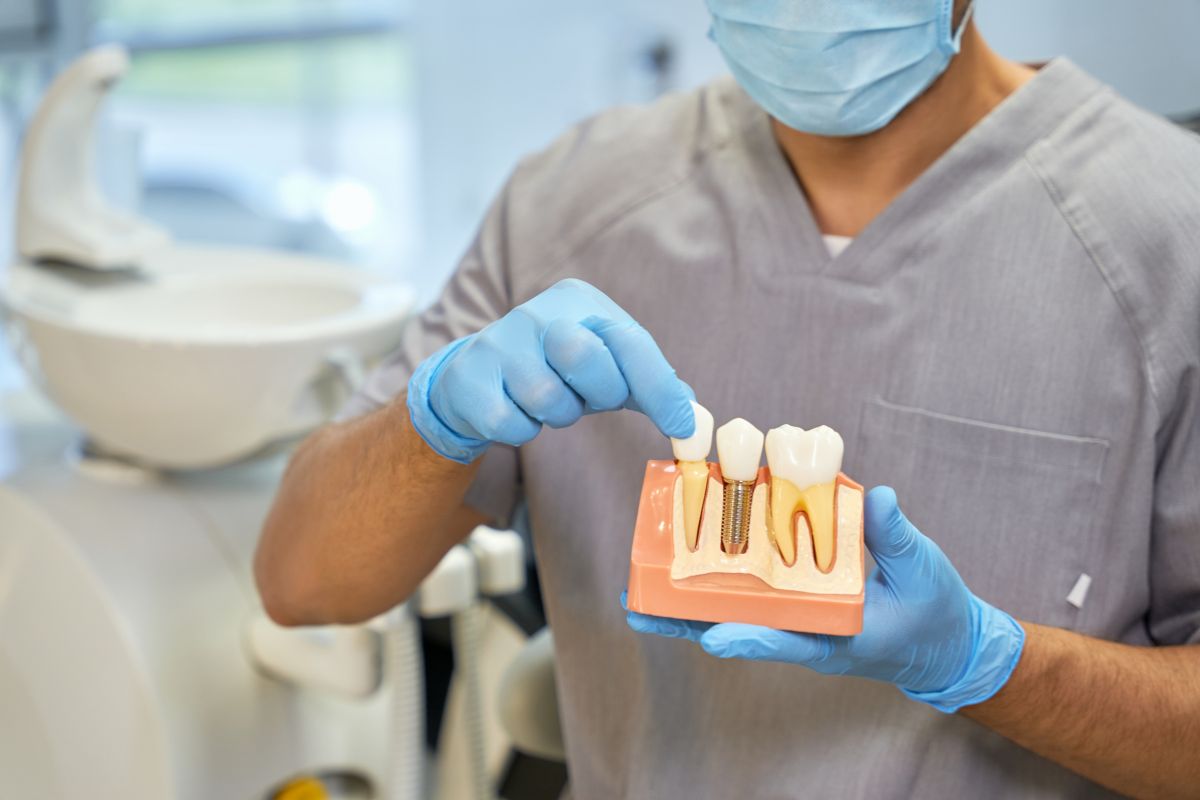
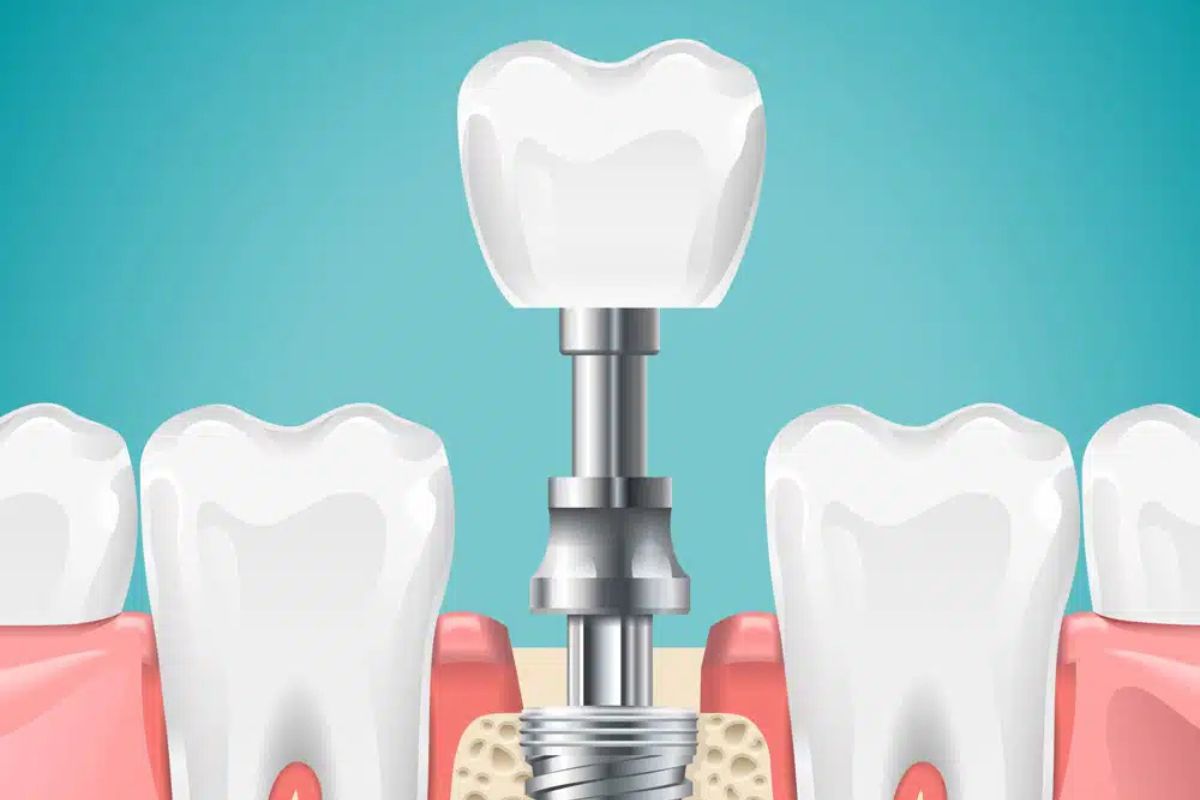
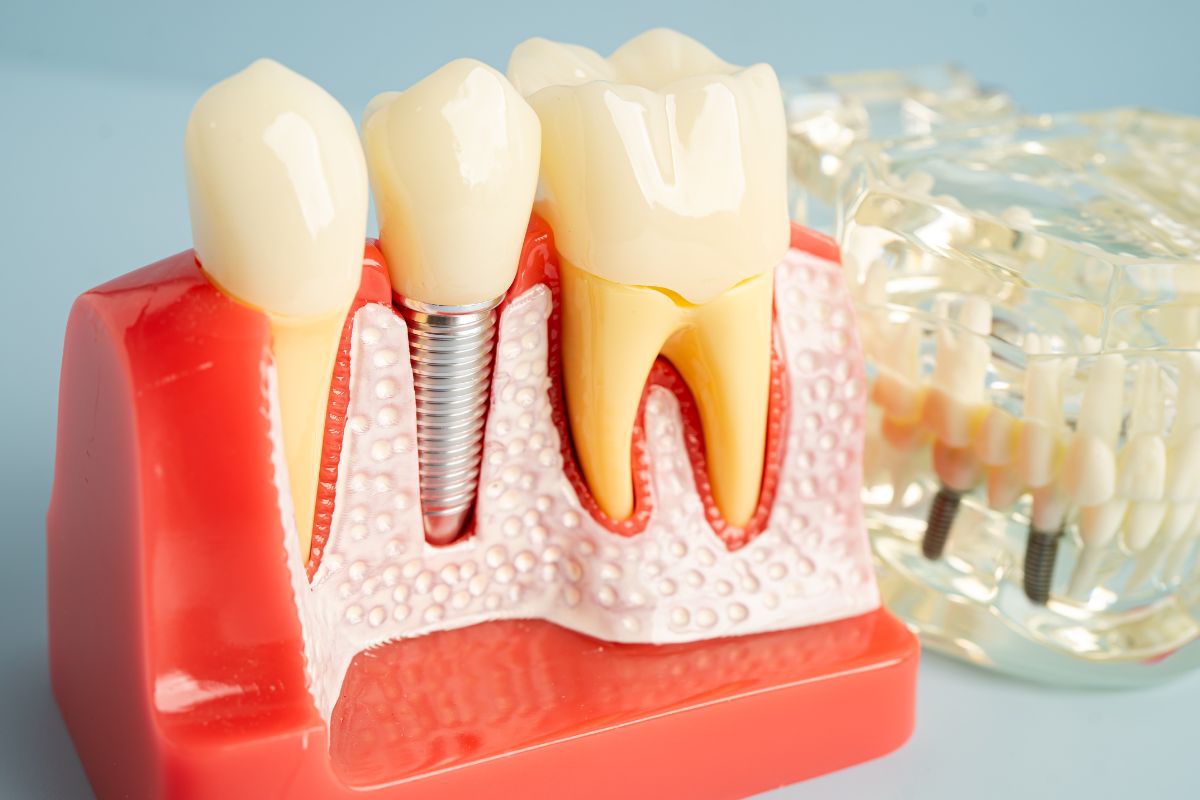
Dental implants are placed directly into the jawbone. Unlike removable restorations, they function similarly to natural tooth roots. This allows the implant to stimulate the bone during daily activities such as chewing.
That stimulation helps reduce bone deterioration and maintain jaw density. Studies consistently show that implants support healthier bone preservation compared to traditional tooth replacement methods.
A well-integrated implant also helps distribute bite pressure evenly across the jaw. This reduces stress on surrounding teeth and oral structures.
What Makes Implants Different From Other Tooth Replacement Options?
Many tooth replacement methods restore appearance, but not all support the jawbone underneath. Traditional removable appliances sit on top of the gums rather than integrating with bone tissue.
Here is a simple comparison:
| Tooth Replacement Option | Jawbone Stimulation | Facial Support | Stability |
|---|---|---|---|
| Dental Implants | Yes | Strong | Excellent |
| Traditional Dentures | Limited | Moderate | Can Shift |
| Bridges | Partial | Moderate | Good |
Patients considering dental implants in Hewlett often choose them because they provide both cosmetic and structural benefits. The goal is not simply replacing missing teeth. It is restoring long-term oral stability and preserving natural facial contours.
Can Dental Implants Prevent a Sunken Facial Appearance?
Yes, in many cases they can significantly help. Since implants support bone health, they also help maintain the shape of the lower face.
When multiple teeth are missing, the face may begin collapsing inward due to reduced bone volume. Implants help slow this progression by encouraging continued jaw stimulation.
This added support helps maintain:
- Cheek structure
- Lip support
- Natural jaw alignment
- Facial symmetry
Patients often report that their face appears fuller and healthier after treatment.
How Long Does Bone Preservation Take?
Bone preservation begins soon after implant placement and continues as long as the implant remains healthy and functional.
However, healing time varies from patient to patient. Factors that influence long-term success include:
- Overall oral health
- Gum condition
- Bone density
- Smoking habits
- Consistent dental care
Regular dental visits are important because healthy gums help support the implant and surrounding bone tissue.
Can Missing Teeth Affect the Way You Speak or Eat?
Absolutely. Missing teeth can impact speech clarity, chewing efficiency, and overall confidence during social interactions.
When teeth are absent, surrounding teeth may shift into empty spaces. This can affect bite alignment and facial muscle balance.
Implants restore stronger bite support, helping patients enjoy:
- Better chewing comfort
- Clearer pronunciation
- Improved facial muscle engagement
- Greater confidence while speaking
Some patients also ask whether implants can create unusual sensations in the mouth. While rare, certain individuals may notice a temporary metallic aftertaste associated with healing materials or medications after treatment. This usually improves as the mouth adjusts and healing progresses.
Trending FAQs About Dental Implants and Facial Structure
- Do dental implants stop bone loss?
Yes. Dental implants stimulate the jawbone and help slow bone deterioration after tooth loss. - Can implants make your face look fuller?
Yes. Implants support facial muscles and jaw structure, which may improve facial fullness. - How long do dental implants support the jawbone?
With proper care, implants can support the jawbone for many years. - Can missing teeth make you look older?
Yes. Tooth loss can reduce facial support and contribute to sagging or wrinkles. - Are implants more stable than removable dentures?
Yes. Implants are fixed into the jawbone, providing stronger stability. - Can jawbone loss happen quickly after tooth extraction?
Bone changes may begin within the first year after tooth loss if the area is left untreated.
Why Is Gum Health Important for Implant Success?
Healthy gums help create a strong foundation around implants. Gum disease can weaken the tissues supporting both natural teeth and implants.
That is why preventive care matters before and after implant placement. Brushing, flossing, and regular dental checkups all help maintain long-term oral stability.
Patients who maintain healthy oral habits often experience better long-term outcomes and stronger implant support.
How Can Patients Protect Their Facial Structure Long-Term?
Maintaining facial structure starts with protecting overall oral health. Replacing missing teeth early may help reduce additional bone changes over time.
Important habits include:
- Attending routine dental visits
- Avoiding tobacco use
- Practicing daily oral hygiene
- Addressing missing teeth promptly
- Following post-treatment instructions carefully
Some patients searching online for guidance also wonder whether implants feel completely natural. Most people adapt very well after healing. Properly placed implants are designed to feel stable and comfortable during daily activities.
Later in the treatment journey, patients may occasionally ask about unusual sensations such as a faint metal-like taste connected to healing components or medications. Discussing any concerns with a dental professional helps ensure proper healing and peace of mind.
How Can You Find the Right Dental Team?
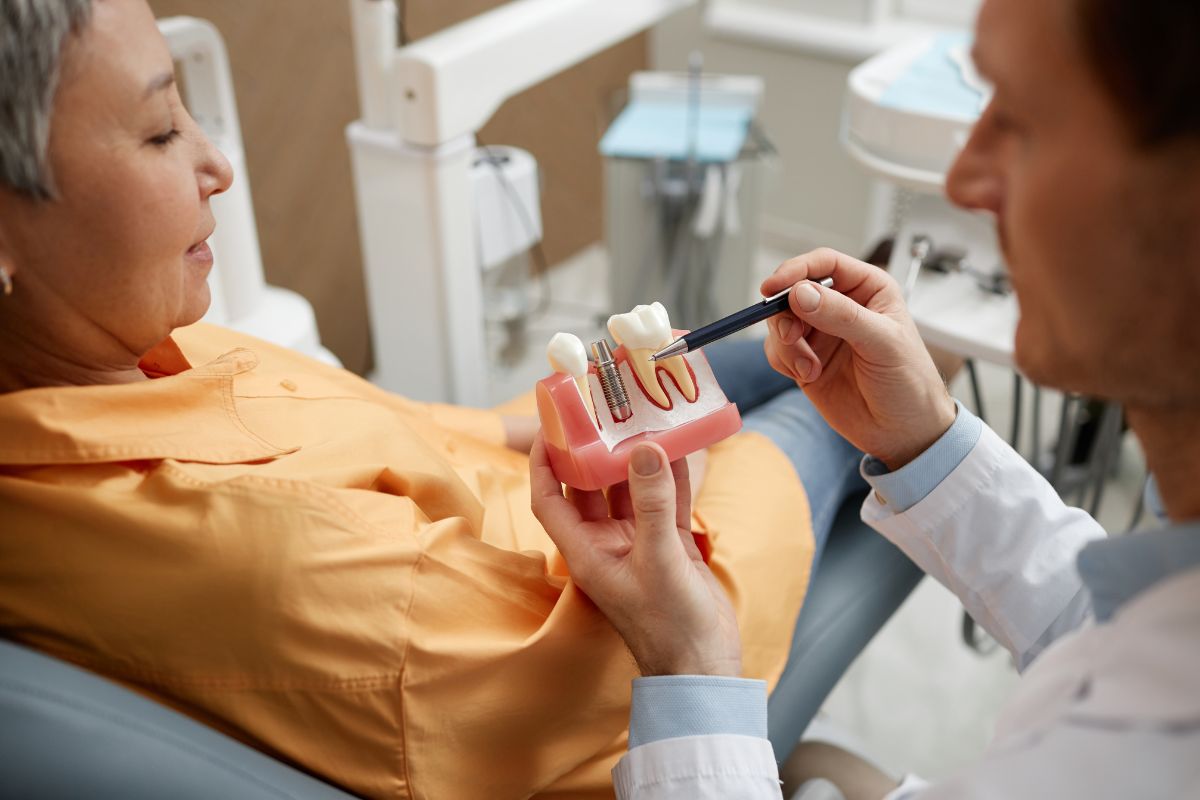
Choosing an experienced dental provider matters when planning restorative treatment. A personalized evaluation helps determine bone condition, gum health, and the most appropriate treatment approach for your smile.
If you are searching for an expert dentist near you, it is important to choose a practice that prioritizes detailed evaluations, advanced imaging, patient education, and long-term oral health support. Our local expert dentists focus on creating treatment plans that support both function and facial harmony.
Tooth loss can gradually affect much more than appearance alone. It may influence jaw health, facial balance, speech, chewing ability, and overall confidence. Dental implants help support the underlying bone structure while restoring stability and improving long-term oral function.
Understanding the connection between oral health and facial support allows patients to make proactive decisions before bone deterioration progresses further. If you are ready to learn more about restoring your smile and protecting your facial structure, schedule a personalized consultation today.