Imagine flashing a confident smile without hesitation. Missing teeth can dim that spark. Many seek dental implants for a natural fix. Yet, one quiet factor often decides if you’re ready: your jawbone’s strength. This post dives deep. We’ll explore bone density’s role. You’ll gain clear steps to check your fit. Let’s uncover how to reclaim your bite with assurance.
What Is Bone Density and Why Does It Matter?
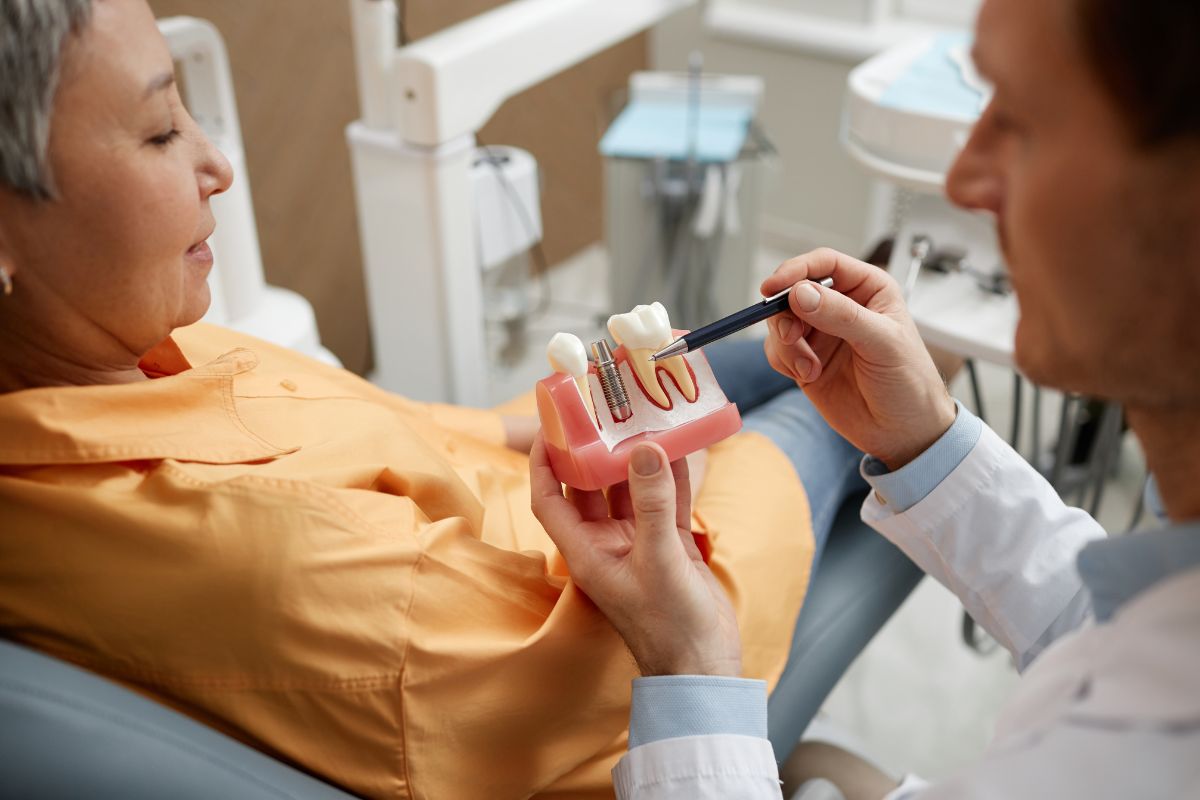
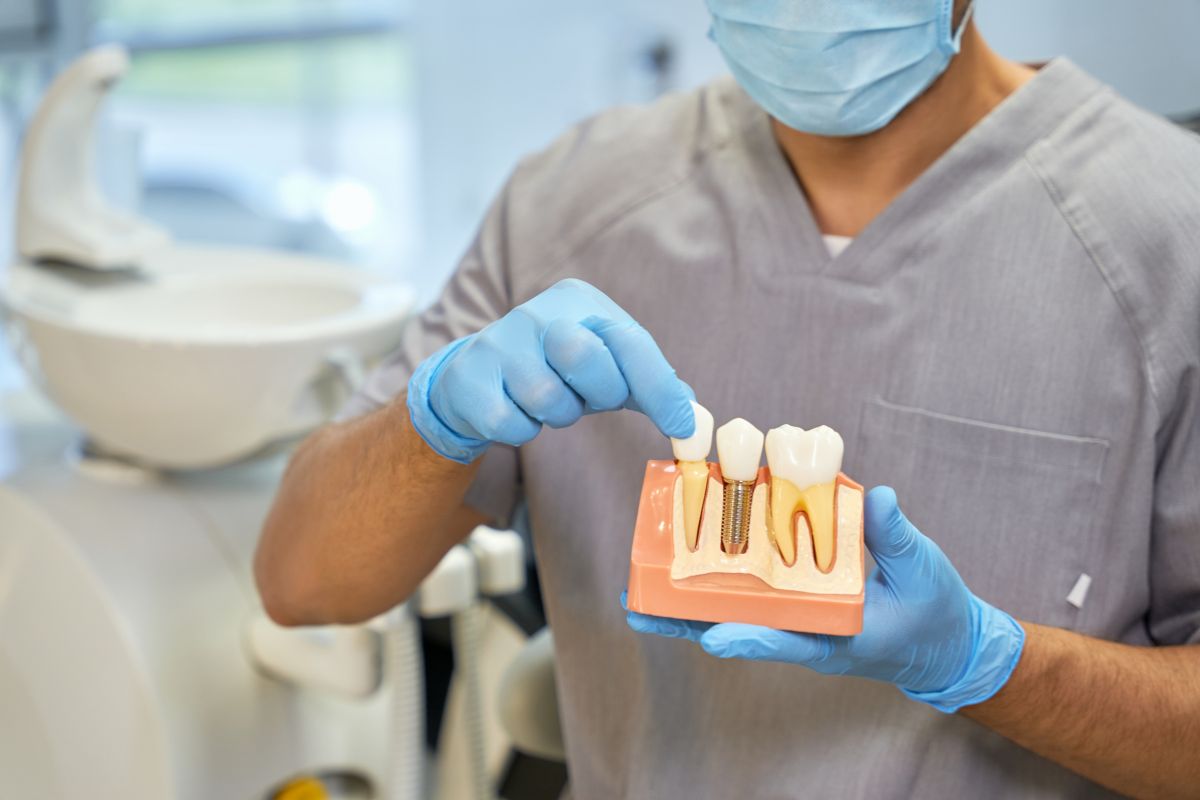
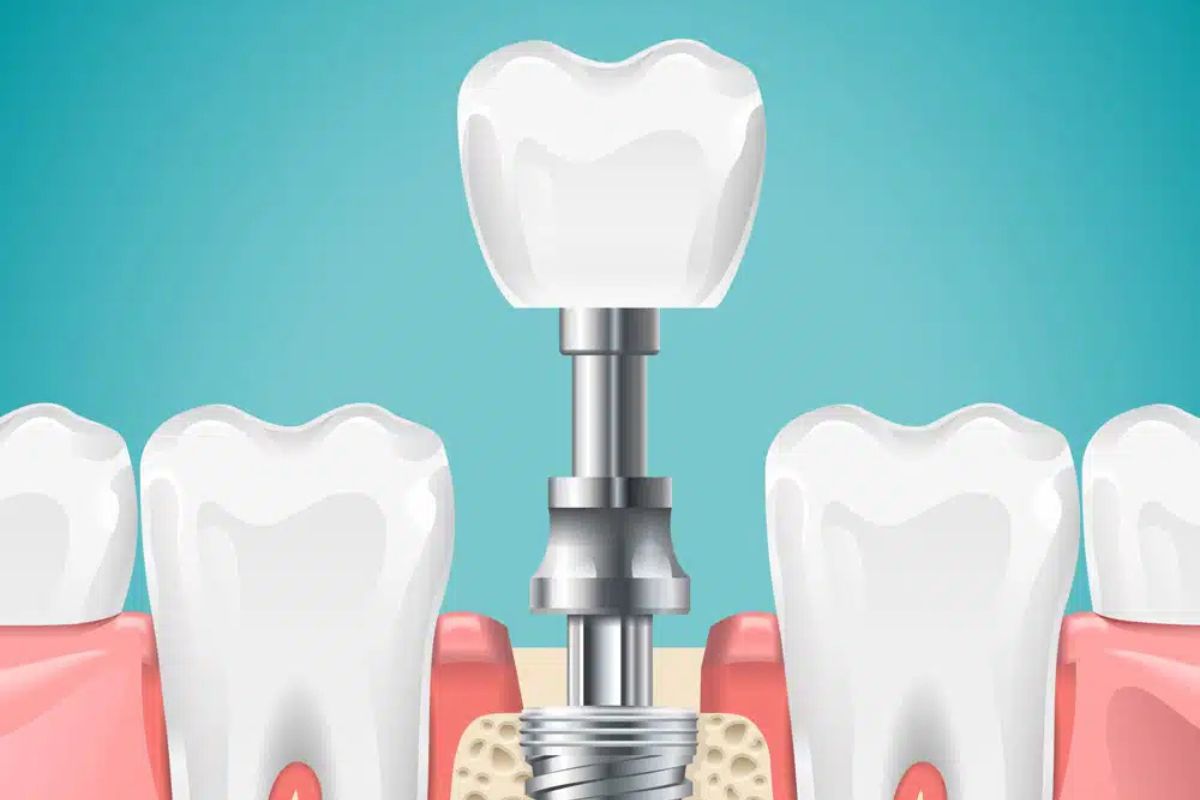
Bone density measures jawbone mineral content. It shows how solid and thick the bone is. Healthy density supports chewing forces. Implants mimic tooth roots. They fuse directly into bone. This process, called osseointegration, needs firm support.
Low density weakens this bond. Jawbone acts as an anchor. Without enough, implants shift. Daily habits like gum disease erode bone over time. Aging plays a part too. Post-menopause women face higher risks from hormonal shifts. Early detection keeps options open.
Signs Your Bone Density Might Be Low
Spotting issues early helps. Do you notice loose teeth? Or gums receding? These signals indicate bone loss. Facial changes, like a sunken jawline, hint at it. Chronic periodontitis speeds erosion.
X-rays reveal clues. Patients often ignore subtle shifts until pain hits. Regular checkups catch them. If you’ve lost teeth years ago, the bone shrinks without roots to stimulate it. Like unused muscles, bones weaken from inactivity.
The Impact of Low Bone Density on Implant Success
Weak bone can’t hold implants steady. Failure rates climb. Studies show implants in soft bone loosen faster. Osseointegration falters. The titanium post fails to integrate fully.
Mobility follows. Chewing discomfort sets in. In severe cases, removal looms. Yet, not all hope vanishes. Advances bridge gaps. Success hinges on density quality, not just quantity.
| Bone Condition | Success Rate (%) | Key Notes |
|---|---|---|
| Healthy Density | 95-98 | Strong integration; minimal complications over 10+ years |
| Osteopenia (Mild Low) | 90-95 | Slight higher risk; monitoring advised |
| Osteoporosis (Severe Low) | 85-92 | Grafting often needed; survival still >90% long-term |
These stats highlight trends. Data from long-term reviews. They underscore the value of proactive care.
Assessing Bone Density for Implants
Dentists use CBCT scans. These 3D images map bone precisely. Density scores guide decisions. Hounsfield units quantify it. Scores above 400 indicate good support.
Consultations include health history. Smoking or diabetes affects healing. Scans spot hidden loss. Results shape your plan. Many qualify after tweaks.
For those exploring dental implants in Hewlett, NY, local experts use advanced tools. They tailor evals to your needs. This ensures precise fits.
Solutions When Bone Density Falls Short
Bone grafting rebuilds volume. Surgeons add material from your body or donors. It stimulates growth. Healing takes months. But it opens doors.
PRF therapy speeds fusion. It uses your blood’s growth factors. Mini-implants suit thinner bone. They require less support. Each option fits unique cases.
Lifestyle boosts density, too. Weight-bearing exercises help. Calcium-rich foods nourish bone. Quitting tobacco aids recovery. These steps empower you.
Trending FAQs on Bone Density and Implants
Here are the top questions with straightforward answers:
- Can you get dental implants with low bone density? Yes, often with grafting. It restores support for stable results.
- Does osteoporosis affect dental implants? It raises risks slightly, but success exceeds 90% with proper planning.
- How to improve bone density for dental implants? Focus on nutrition, exercise, and avoiding bone-eroding habits like smoking.
- Will I need a bone graft for implants? Possibly, if scans show insufficient volume. It’s common and effective.
- How long does bone grafting take before implants? Typically, 3-6 months for healing and integration.
These cover core concerns. They reflect real searches.
If you are searching for a restorative dentist in Hewlett, NY, prioritize those with implant expertise. They handle density challenges smoothly. Experience matters for seamless outcomes.
Strong bone density paves the way for lasting smiles. You’ve seen the links to eligibility. Armed with knowledge, take the next step. Schedule a scan today.
Ready to explore? Call (516) 239-6204 to book your appointment. Rebuild confidence, one secure implant at a time.