
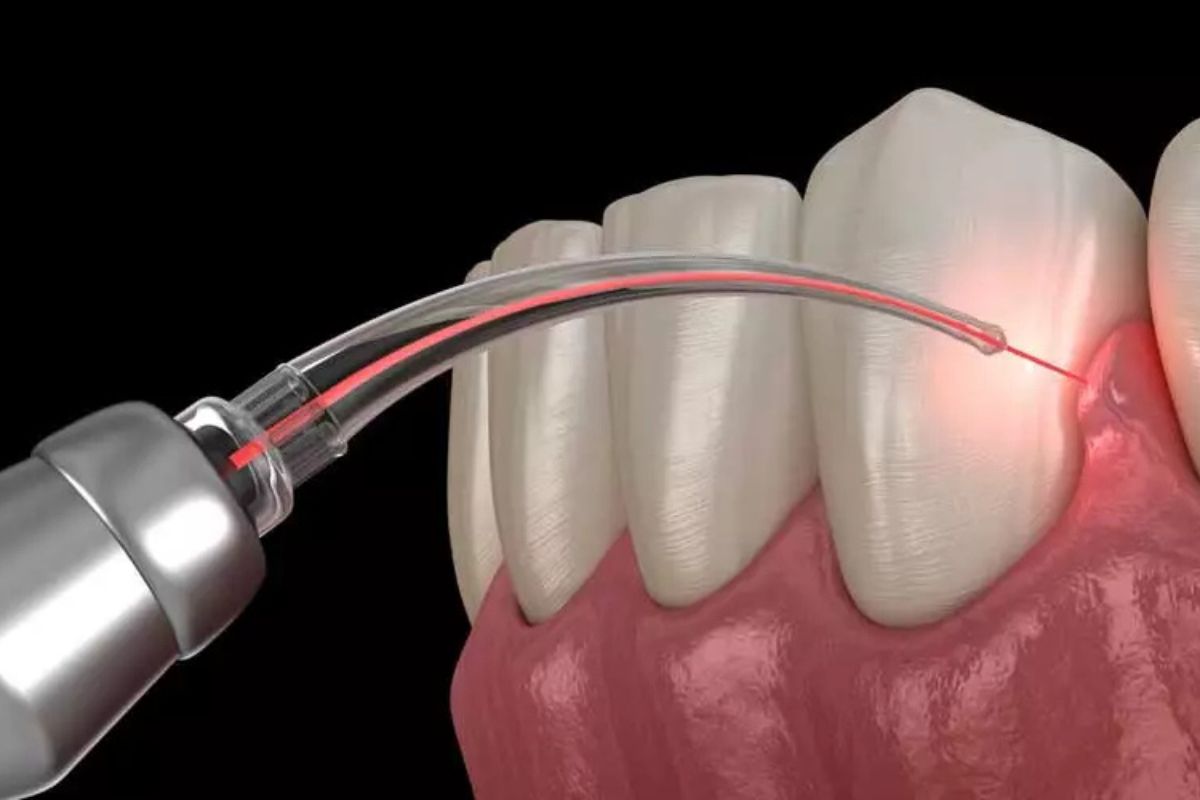
Gum health plays a crucial role in maintaining a strong, confident smile. Yet, gum disease often develops silently, without noticeable pain in its early stages. Many people only realize there’s a problem when symptoms become severe. That’s why early diagnosis is essential. Dentists use a combination of clinical expertise, advanced tools, and detailed examinations to identify gum disease before it progresses.
Understanding Gum Disease
Gum disease, also known as periodontal disease, begins with plaque buildup along the gumline. If not removed, it can lead to inflammation, infection, and eventually damage to the supporting structures of the teeth.
Common Types of Gum Disease
- Gingivitis: Early stage, marked by redness and bleeding gums
- Periodontitis: Advanced stage, involving bone loss and gum recession
Recognizing these stages helps dentists determine the severity and create a tailored treatment plan.
Why Early Diagnosis Matters
Early detection prevents complications such as tooth loss, bone damage, and chronic oral infections. It also supports overall health, as gum disease has been linked to conditions like heart disease and diabetes.
How Dentists Examine Your Gums
Visual Examination
The first step is a careful visual inspection. Dentists look for:
- Red or swollen gums
- Bleeding during brushing or flossing
- Gum recession
- Plaque and tartar buildup
These visible signs provide initial clues about gum health.
Measuring Gum Pockets
Dentists use a small tool called a periodontal probe to measure the depth between the teeth and gums.
| Pocket Depth | Meaning |
|---|---|
| 1–3 mm | Healthy gums |
| 4–5 mm | Early gum disease |
| 6 mm+ | Advanced periodontal disease |
Deeper pockets indicate infection and possible bone loss.
Dental X-Rays
X-rays help detect what cannot be seen with the naked eye. They reveal:
- Bone loss around teeth
- Hidden infections
- Changes in tooth structure
This step is essential for diagnosing moderate to advanced gum disease.
Reviewing Medical and Dental History
A dentist will also review your health history. Certain conditions like diabetes, smoking habits, or medications can increase the risk of gum disease. This information helps create a more accurate diagnosis.
Advanced Diagnostic Techniques
Modern dental practices may use additional tools to enhance accuracy:
- Digital imaging for detailed views of gum and bone structure
- Bacterial testing to identify harmful bacteria
- Laser diagnostics to detect early tissue changes
These methods allow for earlier detection and more precise care planning.
Symptoms You Should Never Ignore
Even before visiting a dentist, certain signs may indicate gum disease:
- Persistent bad breath
- Bleeding gums
- Loose teeth
- Pain while chewing
- Receding gumline
If these symptoms appear, prompt evaluation is essential.
Diagnosis and Treatment Planning
Once gum disease is confirmed, the dentist creates a customized treatment plan. This may include:
- Deep cleaning procedures
- Improved oral hygiene routines
- Ongoing monitoring
For individuals considering solutions like implants, dentists also evaluate gum health carefully. In many cases, conditions involving placing implants when gum health is compromised require stabilization of the gums first to ensure long-term success.
In some cases, patients exploring gum disease treatment in Hewlett benefit from early diagnosis, as it allows for less invasive and more effective care options.
The Role of Regular Dental Visits
Routine checkups are the most effective way to detect gum disease early. Dentists can identify subtle changes long before symptoms become noticeable.
If you are searching for a reliable dentist near Hewlett, consistent visits ensure your gums remain healthy and any issues are addressed before they progress.
Trending FAQs About Gum Disease Diagnosis
Here are some frequently asked questions based on what people commonly search:
- How do dentists check for gum disease?
Dentists use visual exams, probing measurements, and X-rays. - Can gum disease be detected early?
Yes, early stages like gingivitis can be identified during routine checkups. - Is gum disease painful in the beginning?
No, early gum disease is often painless, which is why regular exams matter. - How often should gums be checked?
Every 6 months during routine dental visits. - Can gum disease be reversed?
Gingivitis can be reversed with proper care; advanced stages require treatment.
Tips to Maintain Healthy Gums
- Brush twice daily with a soft-bristled toothbrush
- Floss regularly to remove plaque between teeth
- Use an antibacterial mouthwash
- Maintain a balanced diet
- Avoid tobacco products
These habits reduce the risk of gum disease and support long-term oral health.
Gum disease diagnosis is a detailed and precise process that combines visual exams, measurements, imaging, and professional expertise. Early detection remains the key to preventing serious complications and maintaining a healthy smile. Staying proactive with dental visits and oral hygiene ensures that your gums stay strong and resilient over time.