
Ever notice that lingering odor in your mouth, even after brushing? It can feel embarrassing and frustrating. Many people brush it off as a minor issue from food or morning breath. Yet, it might point to something deeper. Persistent bad breath often signals underlying oral health problems. Let’s dive into what it could mean and how to address it effectively.
Understanding Bad Breath and Its Common Causes
Bad breath, or halitosis, affects millions daily. It stems from various sources. Food particles stuck between teeth can breed bacteria. Dry mouth reduces saliva, which naturally cleans the mouth. Tobacco use dries out tissues and leaves a stale smell. Certain medications or diets, like low-carb plans, can contribute too.
Beyond these, medical conditions play a role. Sinus infections or acid reflux might cause odors. Diabetes can lead to fruity breath. Kidney issues sometimes produce a fishy scent. However, oral origins account for most cases. Poor hygiene lets plaque build up. This sticky film harbors bacteria that release foul gases.
The Strong Link Between Halitosis and Gum Disease
Gum disease starts subtly but progresses if ignored. It begins as gingivitis with inflamed gums. Bacteria in plaque irritate tissues. Gums may bleed during brushing. If untreated, it advances to periodontitis. Pockets form between teeth and gums. These trap more bacteria, leading to bone loss.
Persistent bad breath often arises here. Sulfur compounds from bacteria create that rotten egg smell. Unlike temporary odors, this won’t fade with mints. It signals infection below the gumline. Ignoring it risks tooth loss and systemic health issues, like heart problems.
| Gum Disease Prevalence Statistics | Percentage |
|---|---|
| Adults 30+ with some form of periodontitis | 42% |
| Adults 65+ affected by gum disease | 60% |
| Severe periodontitis in adults | 8% |
| More common in men than women | 50% vs. 35% |
These numbers highlight how widespread the issue is. Early detection matters.
Recognizing Early Signs and Symptoms
Watch for red, swollen gums. They might feel tender. Bleeding while flossing is a red flag. Receding gums expose tooth roots. Loose teeth indicate advanced stages. A constant bad taste accompanies the odor.
Self-checks help. Smell your floss after use. If it stinks, bacteria lurk. Tongue coating can trap odors too. Scrape it gently with a cleaner. Yet, these are clues, not diagnoses. Professional evaluation confirms issues.
Effective Treatment Options for Gum Disease
Treating gum disease restores health. Start with deep cleaning. Scaling removes plaque above and below gums. Root planing smooths surfaces to prevent reattachment. Antibiotics target stubborn bacteria.
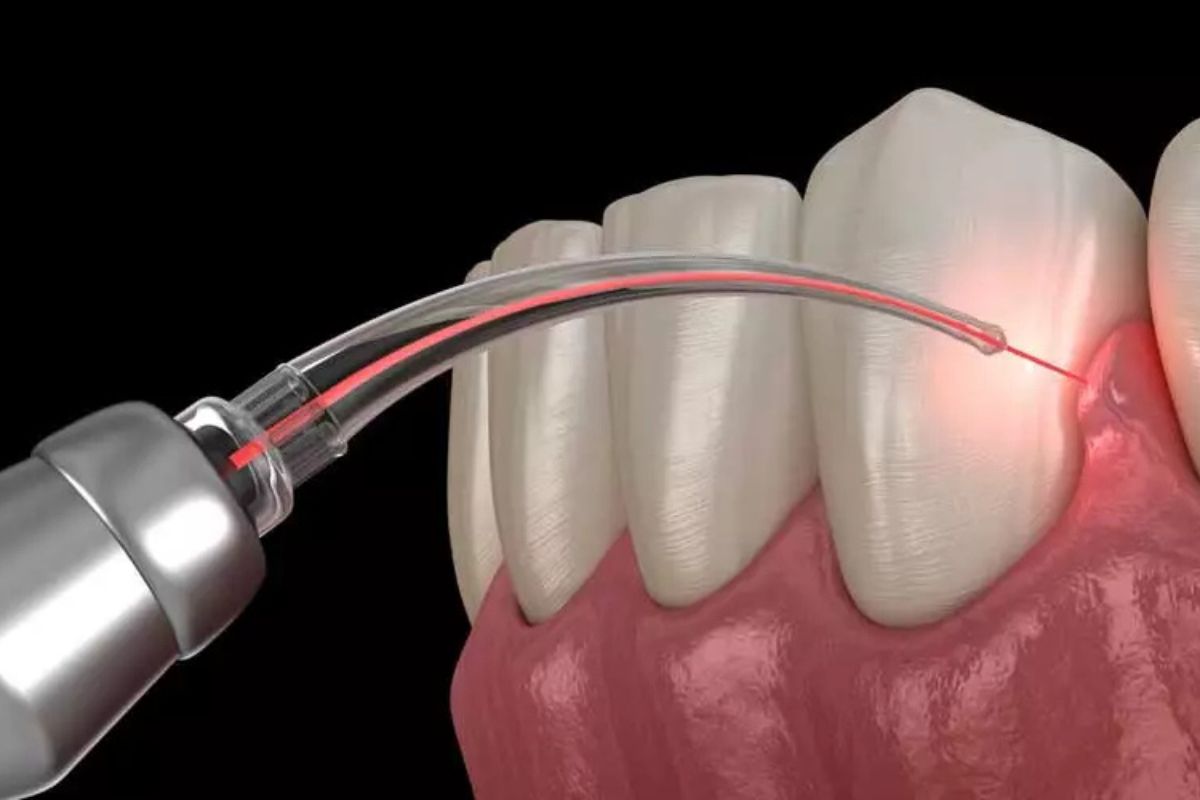
For advanced cases, laser therapy offers precision. It eliminates infected tissue gently. Healing is faster with less discomfort. Once gums stabilize, cosmetic options enhance smiles. Porcelain veneers cover imperfections. Lumineers stand out as a better option. They require minimal tooth preparation and look natural.
Gum disease treatment in Hewlett, NY fits seamlessly into local care routines. Residents benefit from tailored approaches that prioritize comfort.
Addressing Implants with Existing Gum Issues
A frequent concern arises around replacement options. Patients often ask if dental implants are possible with gum disease. The answer depends on severity. Active infection must be resolved first. Healthy gums support implants securely. Treating the disease creates a stable foundation. Then, implants can replace missing teeth effectively.
Consultation reveals suitability. Bone health gets assessed. If needed, grafting builds support. This process ensures long-term success. Many regain function and aesthetics this way.
If you are searching for a dentist near you, consider one experienced in comprehensive care. They guide through evaluations smoothly.
Prevention Strategies for Healthy Gums and Fresh Breath
Daily habits make a difference. Brush twice with fluoride toothpaste. Floss removes hidden debris. Use antimicrobial mouthwash to kill bacteria. Stay hydrated to boost saliva flow.
Diet impacts too. Limit sugary snacks. Eat crunchy veggies for natural cleaning. Quit smoking to reduce risks. Regular checkups catch problems early. Cleanings every six months keep plaque at bay.
Lifestyle tweaks help. Manage stress, as it weakens immunity. Control conditions like diabetes. These steps maintain oral balance.
Trending FAQs on Bad Breath and Gum Disease
Here are some frequently asked questions based on what people often search on Google:
- Can gum disease cause bad breath? Yes, it often does. Bacteria in gum pockets produce smelly gases. Treating the disease usually resolves the odor.
- How can I tell if my bad breath is from gum disease? Look for accompanying signs like bleeding gums or loose teeth. A persistent, sulfur-like smell despite good hygiene suggests it.
- What are the early signs of gum disease? Redness, swelling, and bleeding during brushing are common. Bad breath or taste can appear early too.
- How is gum disease treated? Through professional cleanings, antibiotics, or laser procedures. Home care supports recovery.
- Can I prevent gum disease and bad breath? Absolutely. Consistent brushing, flossing, and checkups go a long way. Avoid tobacco and eat balanced meals.
These address common worries directly.
Persistent bad breath deserves attention. It could reveal gum disease, but early action turns things around. Fresh breath boosts confidence. Healthy gums support overall well-being. Don’t wait for symptoms to worsen. Schedule an appointment to get personalized advice and start feeling better.