Dental implants are a popular, lasting solution for missing teeth, offering strength and a natural appearance. However, many people with gum disease may wonder if they are eligible for implants. Gum disease can significantly impact your oral health, making it crucial to address before considering any implant procedures. Here, we delve into whether you can get dental implants with gum disease and why a healthy foundation is essential for successful implants.
Understanding Gum Disease and Its Impact on Dental Health
Bacterial accumulation causes gum disease, sometimes referred to as periodontal disease, which is an inflammation of the tissues around your teeth. Usually starting with gingivitis (inflammation and bleeding of the gums), it can develop into periodontitis, which causes bone loss and the gums to recede. Untreated periodontal disease can cause tooth loss and compromise the integrity of the jawbone, which is necessary to support dental implants.
Why Gum Health Matters for Implants
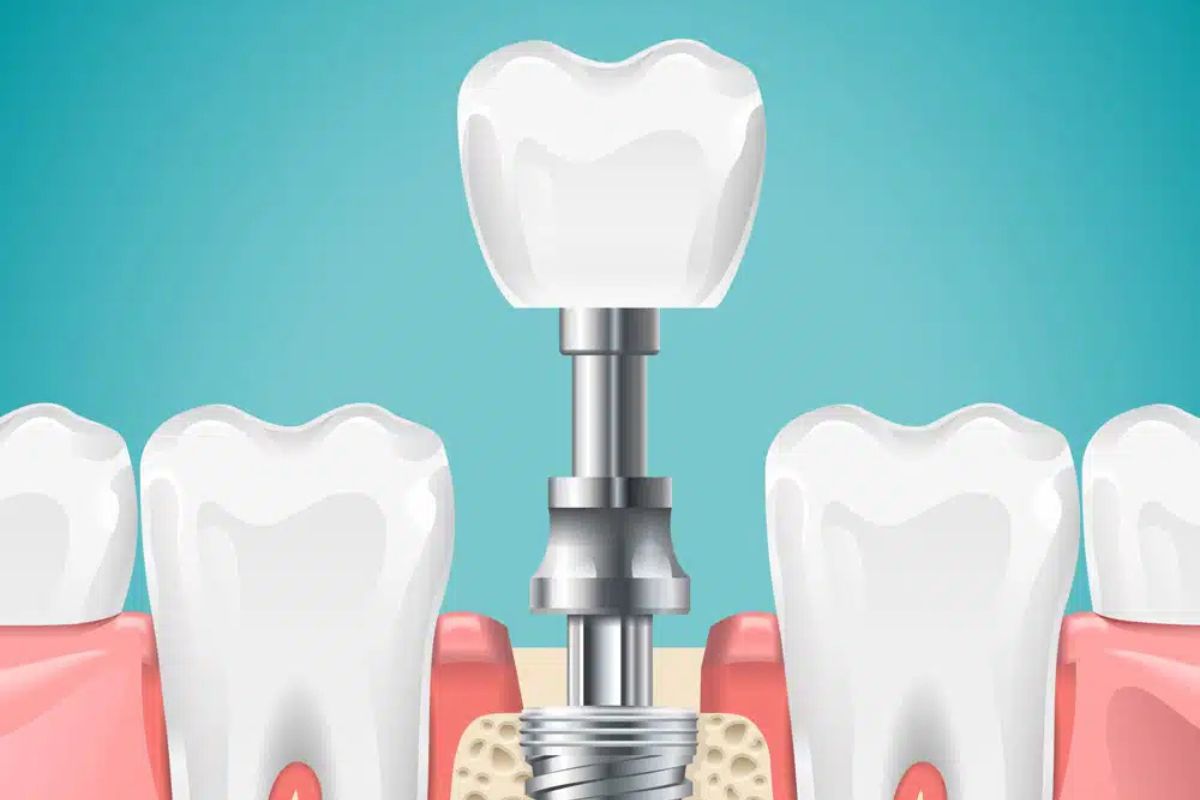
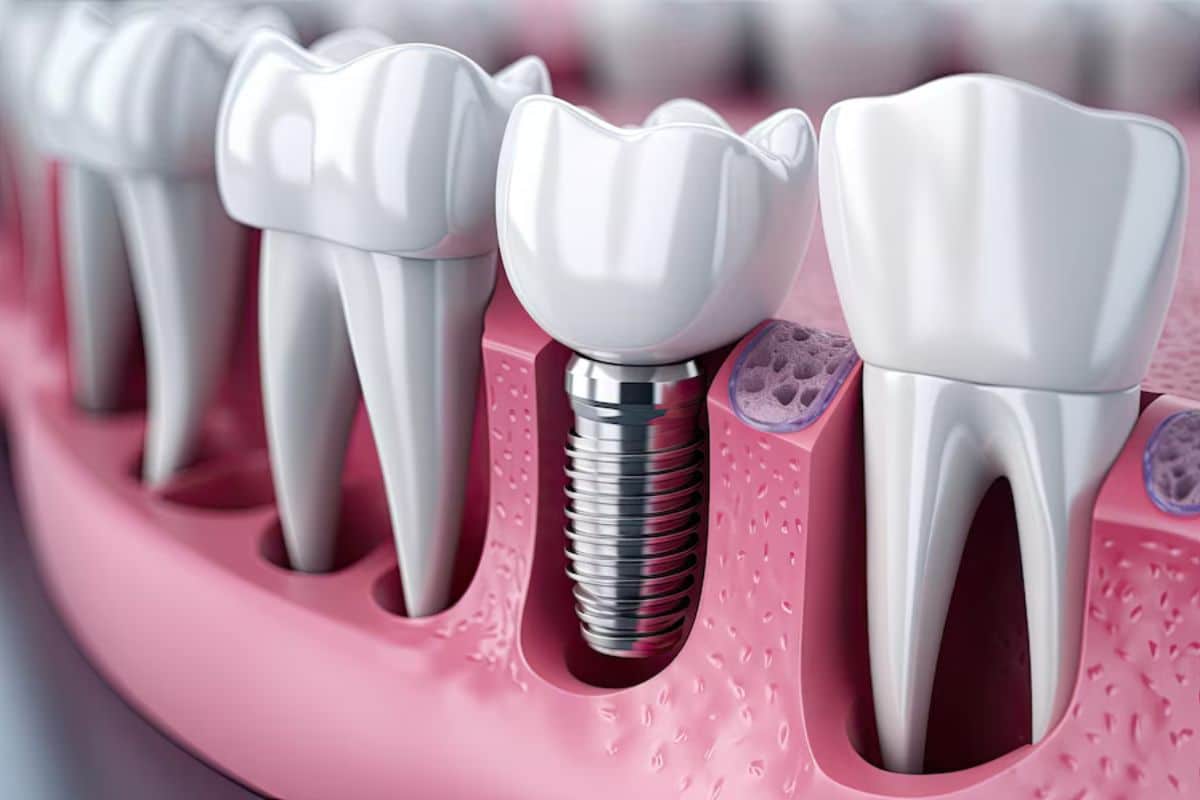
Healthy gums and bones provide a stable base for dental implants. Gum disease can weaken this support system, making it challenging for the implant to successfully fuse with the jawbone—a process known as osseointegration. Without a solid foundation, the implant may not integrate properly, increasing the risk of implant failure and other complications. For these reasons, addressing gum disease is a priority before proceeding with implants.
Is Dental Implants possible with Gum Disease?
If you have active gum disease, immediate placement of dental implants is generally not recommended. Active infections or inflammation can prevent the implant from securely integrating with the bone. However, there is good news:At Smiles By Design, with proper treatment, many patients with gum disease can become candidates for dental implants.
Steps to Prepare for Dental Implants if You Have Gum Disease
- Professional Evaluation and Diagnosis
A thorough evaluation by a dentist in Hewlett is the first step. This will typically involve X-rays and periodontal assessments to determine the extent of the disease. Knowing the severity of your gum disease helps in designing an effective treatment plan and understanding what may be required before implants are possible. - Gum Disease Treatment
Treating gum disease is essential. For mild cases, scaling and root planing (a deep cleaning process) may be sufficient. For more severe cases, surgical interventions such as flap surgery, bone grafts, or tissue regeneration techniques might be necessary to rebuild the bone and gum structure, creating a stable foundation for future implants. - Maintaining Oral Hygiene
Consistent oral hygiene practices are vital. Brushing twice daily, flossing, and using an antimicrobial mouthwash can help prevent gum disease from worsening. Regular visits to your dentist in Hewlett can also help keep any gum disease at bay while improving your candidacy for implants. - Bone Grafting if Needed
If gum disease has caused significant bone loss, a bone graft may be needed. This procedure adds bone tissue to areas where the jawbone has weakened, enhancing the structure needed for implant support. Bone grafting often requires several months to heal fully but is a crucial step for patients with advanced gum disease who want to pursue dental implants.
Success Rates for Implants after Gum Disease Treatment
When gum disease is effectively managed and controlled, the success rates for dental implants are comparable to those of individuals without gum disease. Many patients find that addressing gum health issues not only enables them to proceed with implants but also improves overall oral health, reducing the risk of future complications.
The Importance of Planning and Patience
While gum disease can complicate the dental implant process, it doesn’t necessarily mean you’re ineligible for implants. With the help of a skilled dental team, most individuals can receive the treatment needed to restore gum health and become viable candidates for implants. If you’re considering dental implants in Hewlett and have concerns about gum disease, reach out to Smiles By Design. A consultation can provide insight into your unique case, helping you achieve a healthy smile that lasts.
You’re investing in the lifetime of your dental implants and your general oral health by taking care of gum disease early on, laying the groundwork for a smile you’ll love for many years to come.