Many people put off replacing missing teeth because they dread the thought of surgery and possible discomfort. Yet those who go through the dental implant process often share the same surprising feedback: it was far easier than they imagined. Modern techniques focus on patient comfort from start to finish. You stay relaxed during the appointment and manage any post-procedure sensations with simple steps. This guide walks you through each stage so you know exactly what to expect and how to prepare.
Understanding the Dental Implant Process
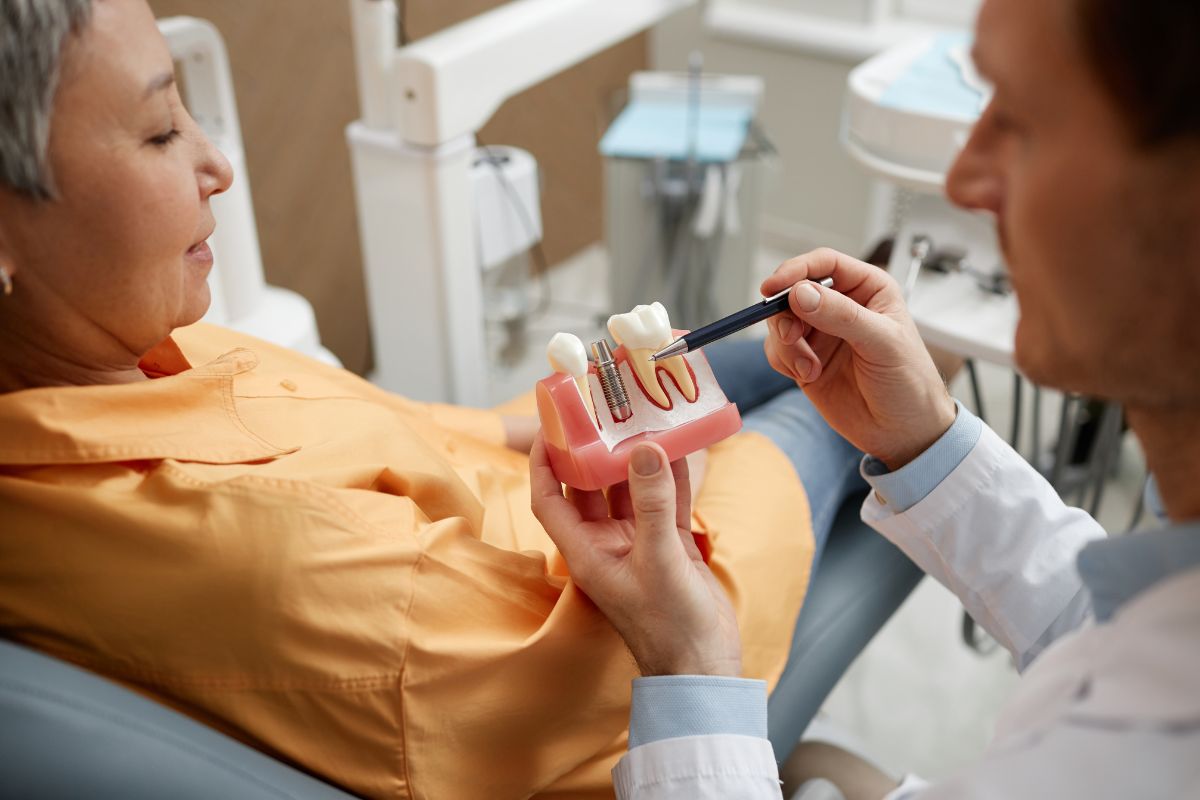
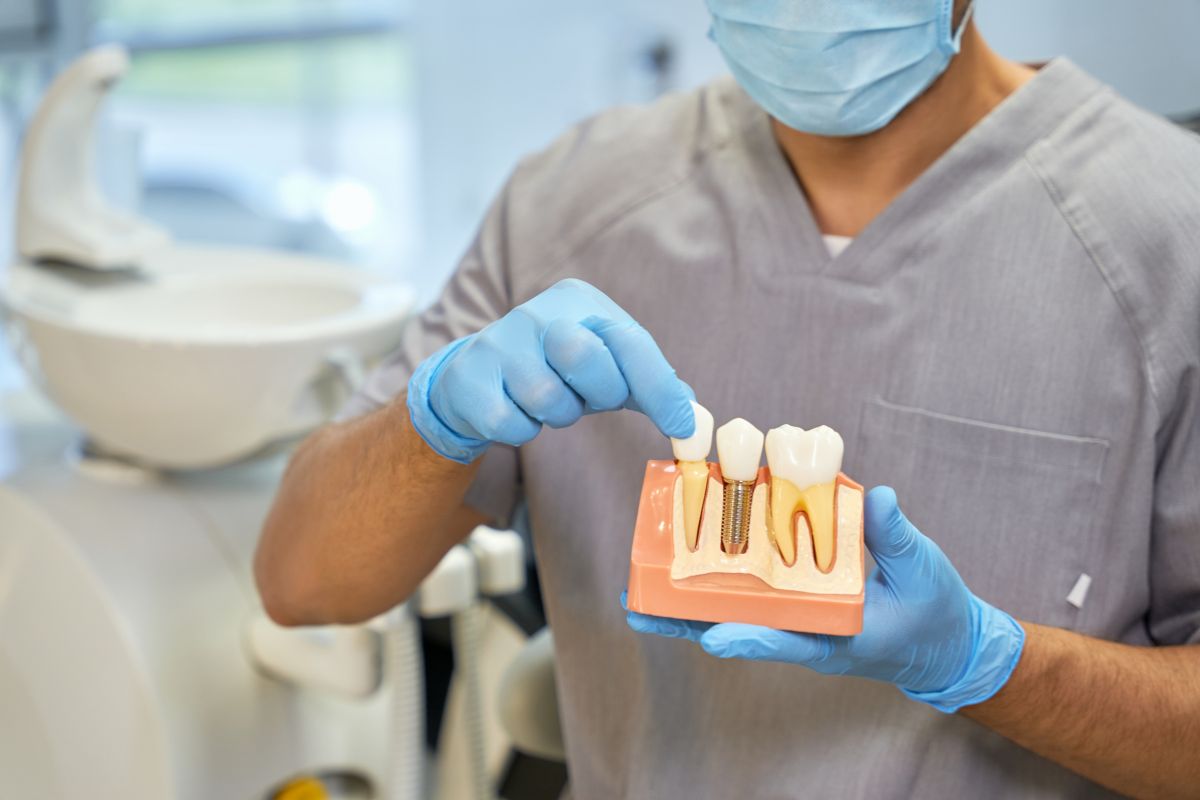
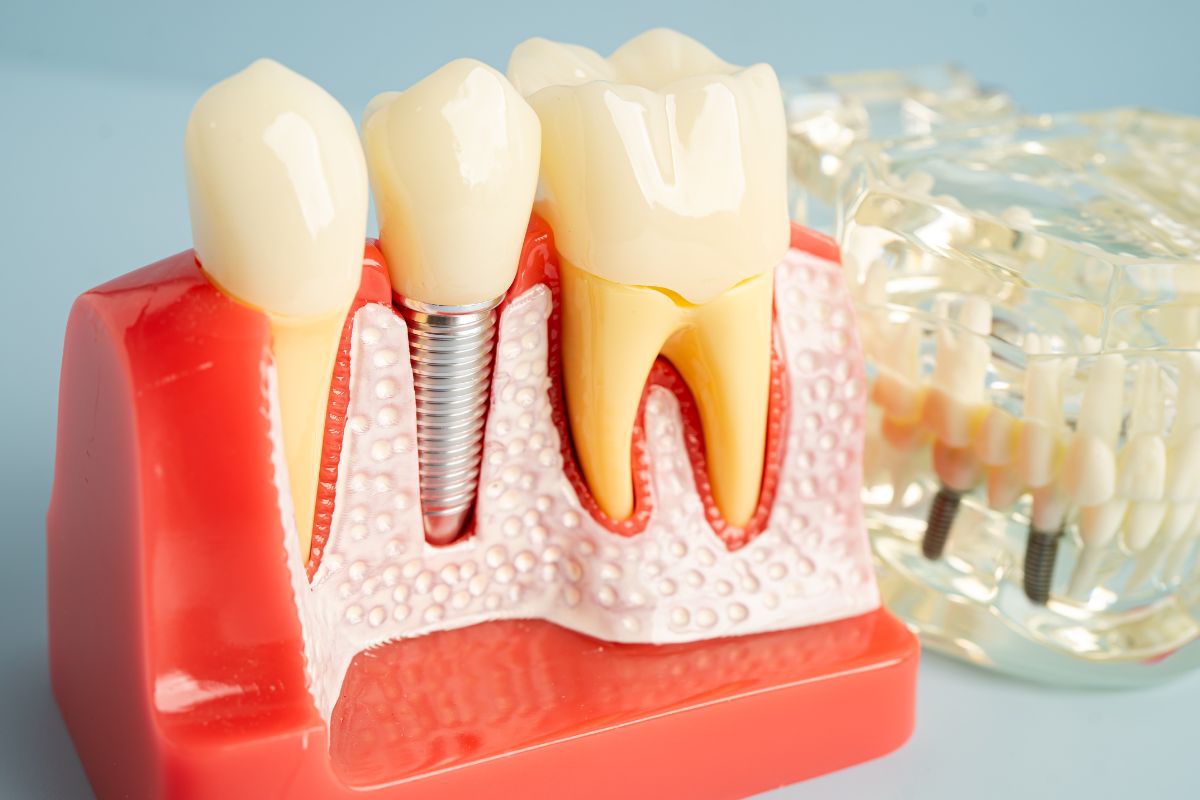
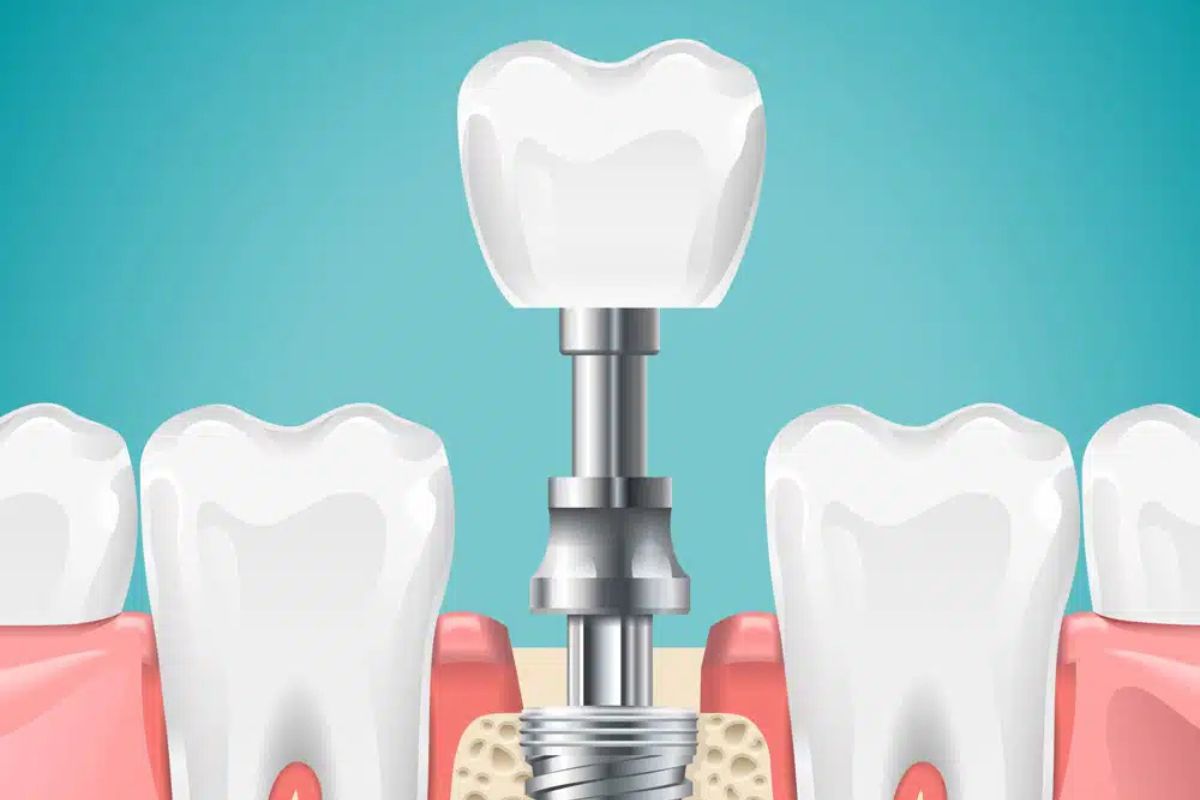
Dental implants replace missing teeth with a strong, natural-looking solution. The process starts with a thorough evaluation of your jawbone and overall oral health. Next comes the surgical phase where a titanium post is placed into the jawbone. Over time, the bone fuses with the post in a process called osseointegration. Finally, an abutment and custom crown complete the restoration.
Each step builds on the last to create stability and function that feels like your own teeth. The entire timeline spans several months, but individual appointments are relatively quick. Patients appreciate the predictable nature of the steps and the way the final result restores chewing power and smile confidence.
What Happens During the Procedure
Your dentist numbs the area completely with local anesthesia before beginning. Many also offer sedation options for extra relaxation. You may feel some pressure or mild vibrations as the post is positioned, but sharp pain is not part of the experience. The procedure for a single implant typically takes less than an hour.
Advanced tools and precise planning help keep the surgery minimally invasive. This approach reduces tissue trauma and supports smoother healing afterward. Patients often remark that the appointment itself felt routine, much like other common dental visits.
Dental implant placement stands out as a well-tolerated step for most people. The combination of effective numbing and careful technique keeps discomfort low throughout the active phase.
Pain Levels After the Procedure
Once the anesthesia wears off, some soreness, swelling, or bruising can appear. Most patients describe this as mild to moderate, similar to the feeling after a tooth extraction, but often less intense. Discomfort usually peaks within the first two to three days and then steadily improves.
Over-the-counter pain relievers, ice packs applied to the cheek, and rest help manage these sensations effectively. Soft foods, gentle oral care, and avoiding strenuous activity during the first week support faster recovery. By the end of the first week, many people return to normal routines with minimal reminders of the procedure.
Dental implant recovery varies slightly by individual, but the trend is clear: symptoms ease quickly when you follow simple aftercare guidelines.
Recovery Timeline Table
| Phase | Timeframe | Typical Experience | Helpful Tips |
|---|---|---|---|
| Immediate Post-Op | First 48 hours | Swelling, soreness, and possible minor bleeding | Ice packs, rest, prescribed meds |
| Early Healing | Days 3–10 | Decreasing discomfort, improving swelling | Soft diet, gentle rinsing |
| Osseointegration | Weeks 2–12 | Minimal sensations, bone integration | Regular check-ups, good hygiene |
| Final Restoration | 3–6 months total | Full function, no ongoing pain | Enjoy your new smile |
This timeline gives a realistic picture based on what most patients experience. Your personal results may differ slightly depending on the number of implants and your overall health.
Tips to Make Recovery Smoother
Stay hydrated and choose nutrient-rich soft foods like yogurt, smoothies, and mashed vegetables. Avoid smoking and alcohol, as they can slow healing. Keep your head elevated when resting to reduce swelling. Follow all instructions about medications and follow-up visits closely.
These small actions make a big difference in how comfortable you feel day to day. Patients who prepare ahead and stick to the plan often report the smoothest experiences and quickest returns to normal activities.
Trending FAQs
People frequently search for clear answers about discomfort and healing. Here are some of the most common questions, along with straightforward responses:
- Is the dental implant procedure painful during surgery? No. Local anesthesia eliminates pain while the post is placed. You may notice pressure, but it remains comfortable.
- How long does pain last after dental implants? Most discomfort fades within 3 to 7 days. Mild tenderness can linger up to two weeks but continues to improve.
- What is the most painful part of getting dental implants? The initial days after surgery are when swelling peaks. This phase passes quickly and responds well to standard pain relief.
- Are dental implants more painful than tooth extraction? Many patients find implants cause less overall discomfort and shorter recovery compared to extractions.
- Can sedation make the procedure easier? Yes. Options like oral sedation or IV sedation help anxious patients stay relaxed and comfortable.
- When can I return to work after implant surgery? Most people resume light activities the next day. Plan for a few days of rest if multiple implants are involved.
For those exploring our dental implants procedure, these insights reflect what local patients commonly share after treatment.
If you are searching for an expert implant dentist near you, a personalized consultation can ease remaining worries and map out the best approach for your unique situation.
Taking the step toward dental implants opens the door to stronger chewing, clearer speech, and a smile you feel proud to share. The brief period of adjustment is small compared to the lasting benefits. Reach out to a trusted professional today and discover how comfortable the journey can truly be.