
Have you ever noticed how one missing tooth can throw off your entire smile? It’s more than just aesthetics. When a tooth goes missing, it sets off a chain reaction in your mouth. Surrounding teeth start to drift, leading to misalignment and potential bite issues. But there’s good news. Modern solutions exist to stop this process in its tracks. In this post, we’ll explore how these innovative replacements keep your teeth steady and your smile strong. Let’s dive in and see why addressing tooth loss promptly matters for your oral health.
Understanding Why Teeth Shift After Tooth Loss
Tooth loss happens for many reasons. Decay, injury, or gum disease often play a role. Once a tooth is gone, the empty space invites trouble. Adjacent teeth lean into the gap. They seek support that’s no longer there. This shifting can occur gradually. Over months or years, it worsens.
Your jawbone also suffers. Without a tooth root, bone density decreases. This resorption weakens the foundation. Nearby teeth lose stability. They move more easily. Bite problems emerge. Chewing becomes uneven. Even speech can change. Many people worry about these changes. They ask if prevention is possible. Yes, it is. Acting early helps maintain alignment.
Gum health ties into this, too. Shifting teeth creates pockets. Bacteria thrive there. This raises infection risk. Overall, ignoring a missing tooth affects more than appearance. It impacts function and health.
The Role of Dental Implants in Tooth Alignment
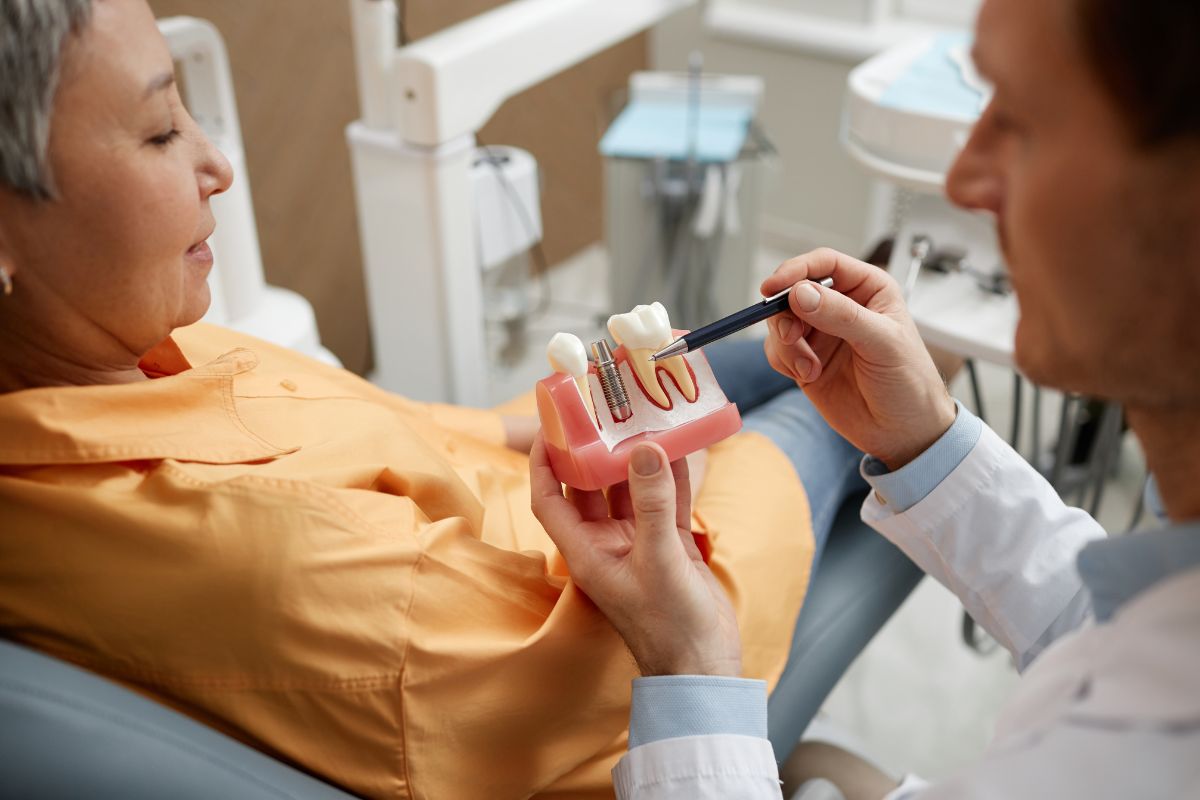
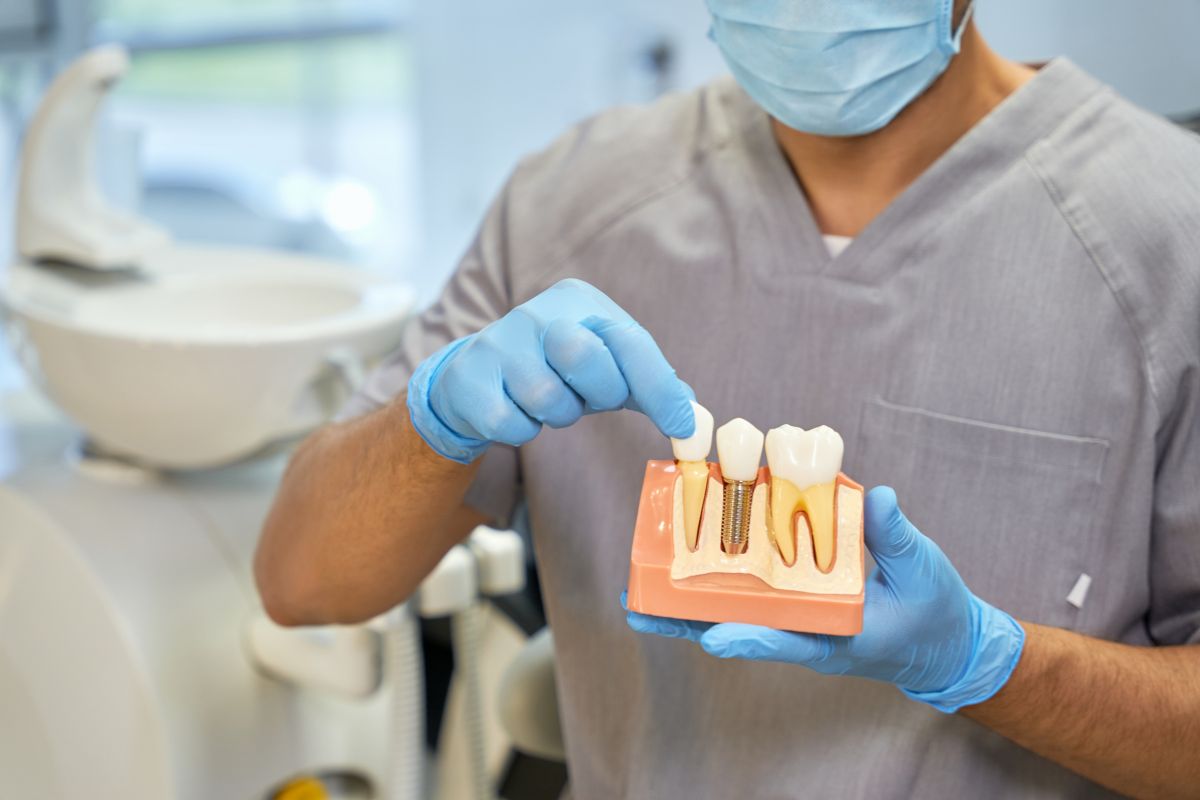
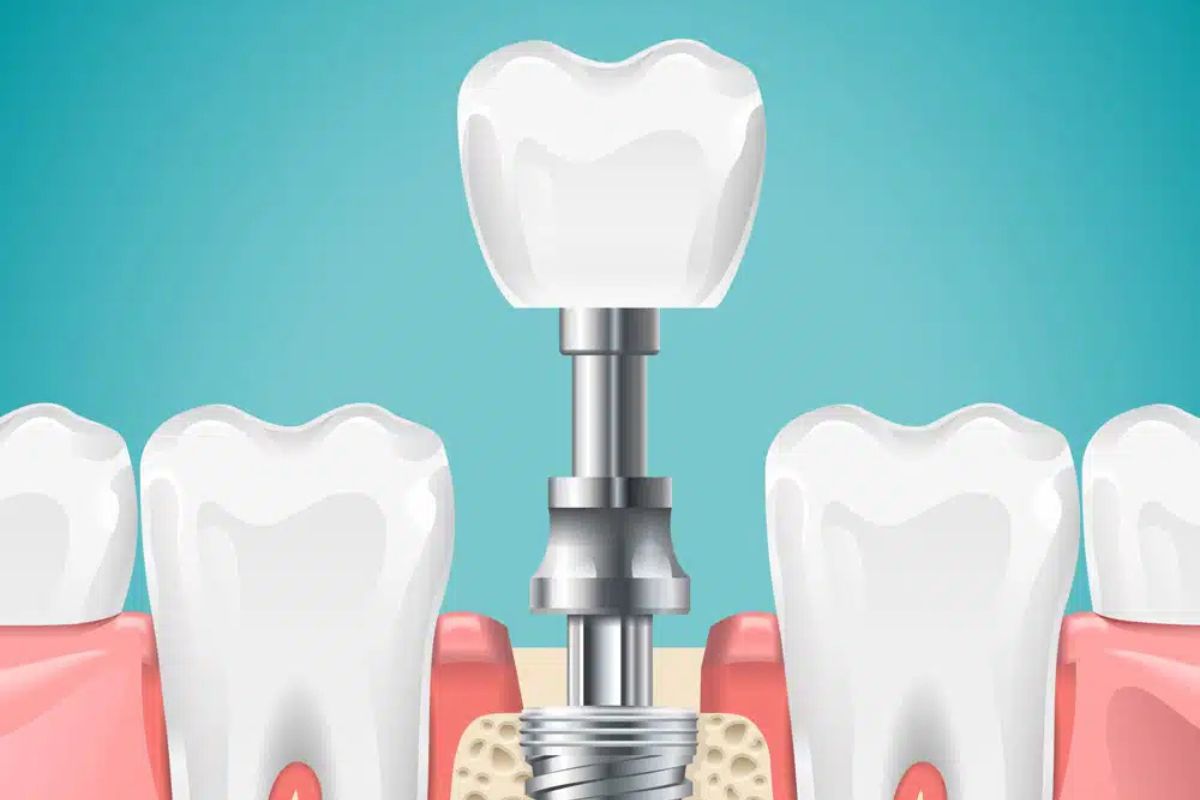
Dental implants act like natural tooth roots. Made from biocompatible titanium, they fuse with your jawbone. This process, called osseointegration, creates a solid base. It mimics how real teeth stay anchored.
When placed in the gap, an implant fills the void. It stops neighboring teeth from drifting. Pressure from chewing is distributed evenly. Your bite remains balanced. Unlike bridges, implants don’t rely on adjacent teeth. No grinding down of healthy enamel occurs. This preserves surrounding structures.
For those seeking dental implants in Hewlett, NY, options include advanced techniques. 3D-guided placement ensures precision. Minimally invasive methods speed recovery. These approaches enhance stability right from the start.
Implants also stimulate bone growth. They prevent resorption. Your jaw stays strong. Teeth hold their positions better. This long-term support reduces future complications.
Key Benefits of Dental Implants for Preventing Shifts
Dental implants offer lasting stability. They integrate fully with your bone. This halts shifting effectively. Surrounding teeth stay in line. Your smile looks natural.
Bone preservation stands out. Implants mimic root stimulation. Jawbone density remains. This avoids the sunken look from bone loss.
Function improves, too. Chewing feels normal. No slipping or discomfort. Speech clarity returns. Confidence boosts.
Durability is another plus. With care, they last for decades. Routine brushing and flossing suffice. Regular check-ups help.
Aesthetics shine. Custom crowns match your teeth. No one notices the difference. It’s a seamless fix.
| Benefit | Description | Statistic |
|---|---|---|
| Success Rate | High reliability over time | Up to 98% lifetime success |
| Bone Preservation | Prevents jawbone loss | Reduces resorption by stimulating growth |
| Alignment Maintenance | Stops adjacent tooth drift | 94% success after 10 years in studies |
| Durability | Long-lasting solution | Outperforms other options like bridges |
This table highlights why implants excel. Data from oral health studies backs these points.
The Dental Implant Procedure: Step by Step
The process starts with a consultation. Your dentist assesses bone health. Imaging guides planning.
Surgery follows. A small incision exposes the bone. The titanium post inserts. Healing begins.
Osseointegration takes months. Bone grows around the implant. It bonds securely.
Next, an abutment attaches. This connects the post to the crown.
Finally, the custom restoration fits. It looks and functions like a real tooth.
Recovery varies. Most return to normal quickly. Discomfort is minimal with proper care.
Advanced options like All-on-4 suit multiple missing teeth. Four implants support a full arch. This provides immediate stability.
Addressing Common Concerns About Tooth Stability
Many wonder about long-term effects. Implants reduce overload on other teeth. They distribute forces evenly.
Gum disease risks drop. Stable teeth mean fewer hiding spots for plaque.
For complex cases, specialists help. A prosthodontist near you in Hewlett focuses on restorations. They ensure fit and function.
Maintenance is straightforward. Brush twice daily. Floss around the implant. Avoid hard foods initially.
If bone loss exists, grafting may precede placement. This builds a strong foundation.
Overall, implants address root causes. They offer peace of mind.
Trending FAQs on Dental Implants and Preventing Tooth Shifting
People often search for answers on this topic. Here are some frequently asked questions based on common queries, with clear responses:
- Can my teeth shift after getting dental implants?
No, once placed, implants stay fixed. They anchor deeply in the jawbone. This prevents any movement. Surrounding teeth remain stable, too. - How do dental implants affect surrounding teeth?
They support them positively. By filling gaps, implants stop drifting. No extra stress applies to neighbors. This maintains overall oral balance. - Will my teeth move while waiting for an implant?
Yes, possibly. Empty spaces allow shifting over time. Prompt replacement minimizes this risk. Temporary options can hold positions during healing. - How do dental implants prevent future tooth loss?
They preserve jawbone health. Stimulation prevents weakening. Aligned teeth reduce wear. This lowers the chances of additional losses.
These FAQs cover the top concerns. They show implants as a proactive choice.
Long-Term Oral Health with Dental Implants
Consistency matters post-implant. Regular visits catch issues early. Healthy habits extend benefits.
Lifestyle factors influence success. Quitting smoking aids healing. Balanced diets support bone strength.
Over time, implants enhance quality of life. Eating favorites becomes easy. Smiles feel genuine.
Research supports their effectiveness. High success rates prove reliability. Many enjoy decades of use.
If concerns arise, consult professionals. Tailored advice fits your needs.
Ready to protect your smile? Call (516) 239-6204 today to schedule an appointment. Let’s keep your teeth in perfect place.