Losing a tooth can feel like more than just a cosmetic issue—it can affect your ability to eat, speak, and smile confidently. Dental implants are often seen as the gold standard for replacing missing teeth, but what if you’ve experienced bone loss in your jaw? If this sounds familiar, don’t worry. With modern dental advancements, even patients with bone loss can benefit from dental implant surgery in Hewlett. Here’s how it works and what you need to know.
Understanding Dental Implants
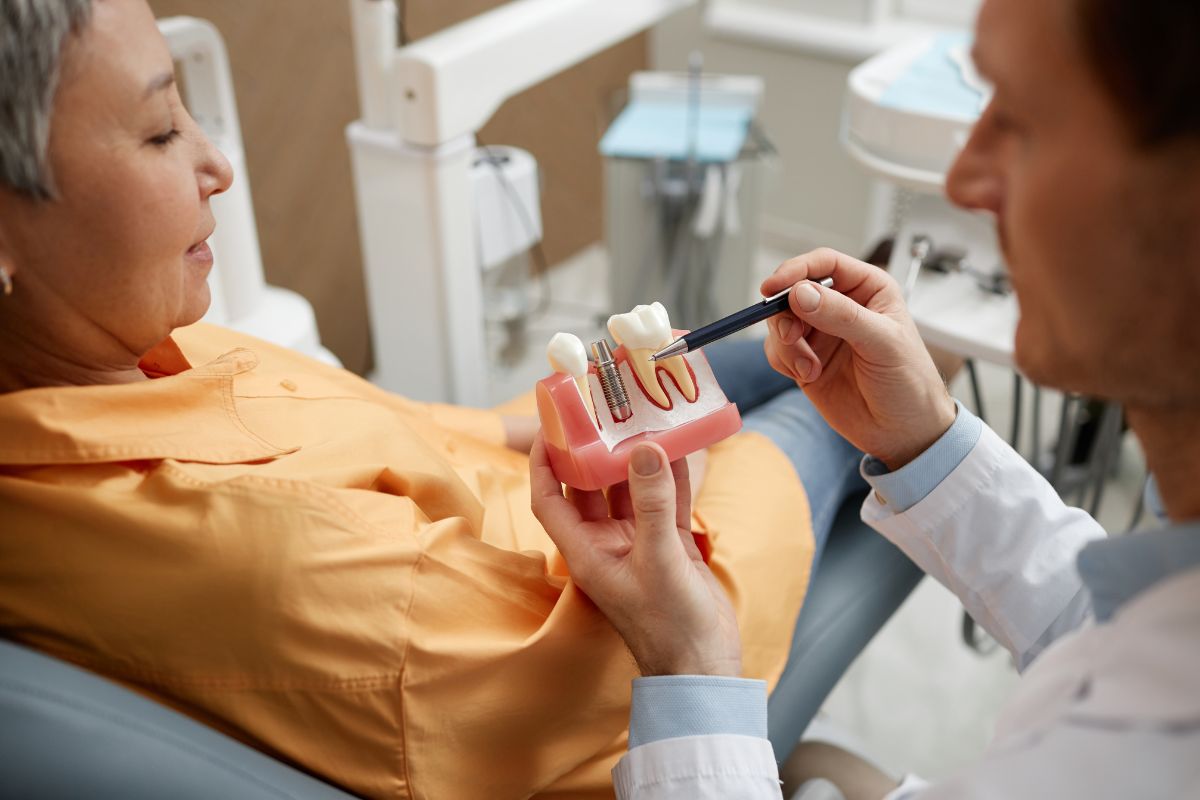
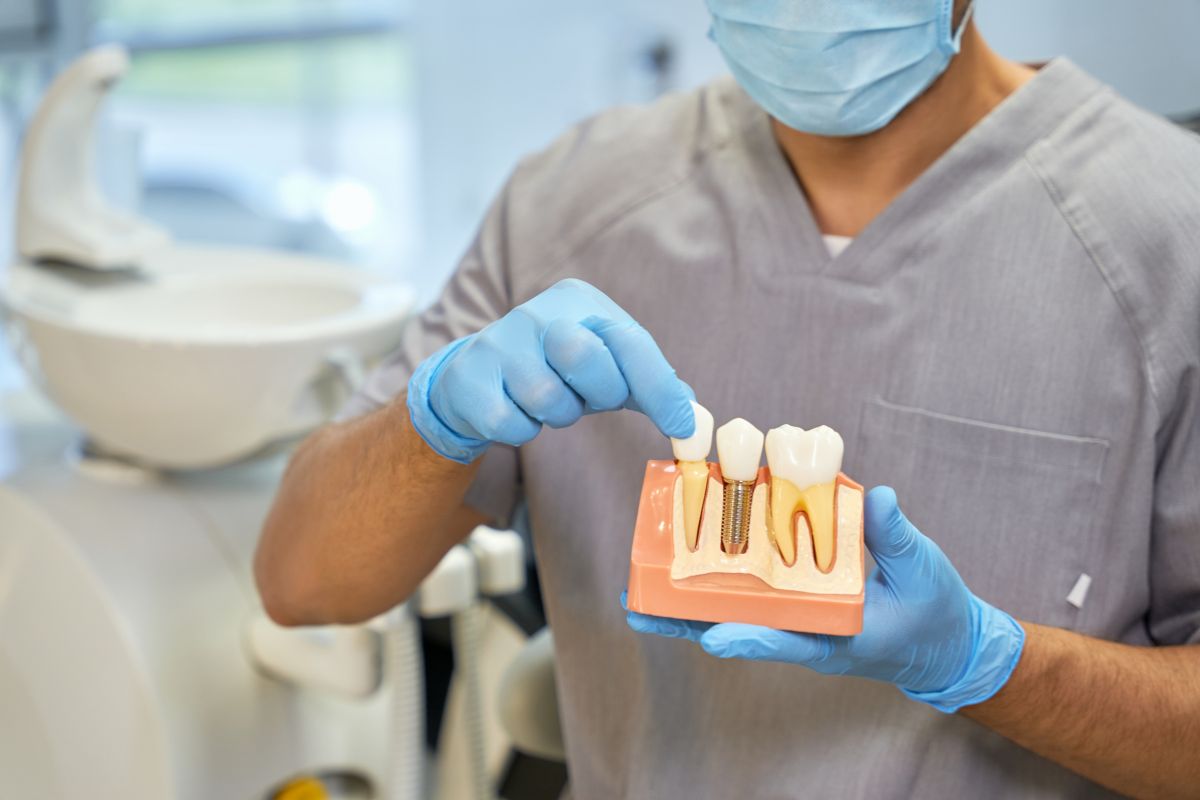
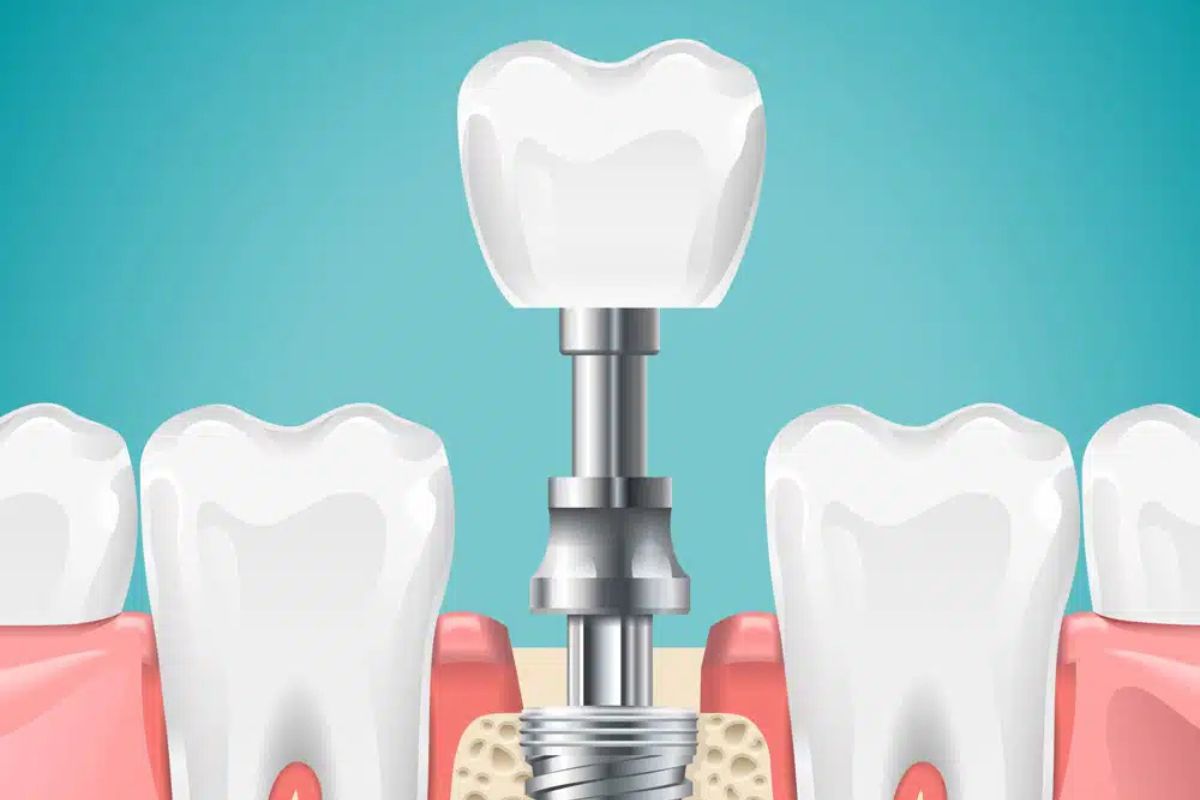
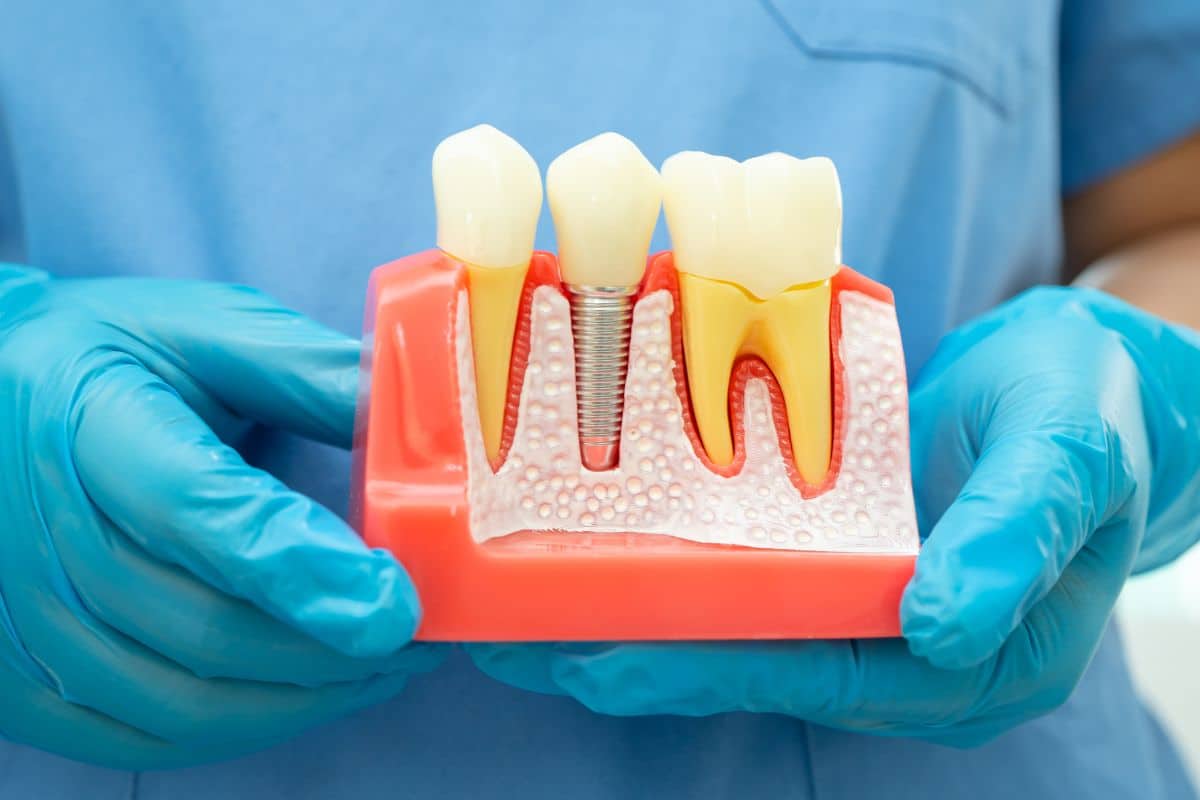
Dental implants are small, titanium posts surgically inserted into the jawbone to act as artificial tooth roots. These posts support crowns, bridges, or dentures, providing a stable, natural-looking replacement for missing teeth. One of the key factors for a successful implant is a strong and healthy jawbone to hold the post securely.
But what happens if the bone supporting your teeth has weakened over time? Bone loss in the jaw doesn’t automatically disqualify you from getting implants, but it might mean additional steps are needed to prepare your jaw for the procedure.
What Causes Bone Loss in the Jaw?
Bone loss in the jaw can occur for several reasons:
- Tooth Loss: When a tooth is missing, the surrounding bone begins to shrink because it’s no longer stimulated by chewing pressure.
- Periodontal Disease: Advanced gum disease can damage both the gums and the underlying bone, leading to bone loss.
- Trauma or Injury: Accidents or injuries that affect the teeth and jaw can result in bone deterioration.
- Osteoporosis: This condition, which weakens bones throughout the body, can also affect the jawbone.
If you’ve experienced any of these conditions, it’s essential to discuss your options with a dentist in Hewlett to determine the best approach.
Solutions for Patients with Bone Loss
Even with bone loss, dental implants are often still possible. Here are a few solutions your dentist may recommend:
- Bone Grafting: This procedure involves adding bone material to areas of the jaw that have deteriorated. Over time, the graft integrates with the natural bone, creating a stronger foundation for implants.
- Sinus Lifts: For patients with bone loss in the upper jaw, this procedure raises the sinus floor and adds bone material to increase bone height for implants.
- Zygomatic Implants: These specialized implants anchor into the cheekbone instead of the jawbone, bypassing the need for bone grafting in severe cases.
- Mini Dental Implants: These smaller implants require less bone for support and can be a suitable option for moderate bone loss.
Factors to Consider
While dental implants can work for most patients with bone loss, there are a few considerations:
- Healing Time: Procedures like bone grafting require additional healing time before implants can be placed.
- Cost: Additional treatments may increase the overall expense.
- Health Conditions: Conditions like diabetes or smoking habits may impact your healing process and the success of the implants.
Your dentist will evaluate these factors during your consultation to ensure the best possible outcome.
Consulting with Your Dental Professional
If you’re wondering whether dental implants are right for you, the first step is a consultation. A dentist near you will conduct a thorough examination, including imaging scans, to assess the condition of your jawbone and overall oral health. This personalized evaluation helps determine the best course of action for your unique needs.
Can Dental Implants Still Work for You?
The answer is almost always yes. With the right preparation and expert care, dental implant surgery in Hewlett remains a viable option for patients with bone loss. Whether it’s through bone grafting, sinus lifts, or advanced implant techniques, today’s dental innovations make it possible to restore your smile with confidence.
If you’re ready to explore your options for dental implant surgery in Hewlett, schedule a consultation today to take the first step toward transforming your smile.