Replacing multiple missing teeth can dramatically improve daily comfort, confidence, and oral function. One of the most common concerns patients have before treatment is recovery time. People want to know how long healing takes, when they can return to normal eating habits, and what to expect during each stage of recovery.
Healing after full-arch implant treatment varies from person to person. Factors such as oral health, bone density, lifestyle habits, and aftercare all play a role. Understanding the timeline ahead of time helps patients prepare mentally and physically for a smoother experience.
How Long Does Initial Healing Usually Take?
The first stage of recovery generally lasts about one to two weeks. During this period, mild swelling, tenderness, and soreness are normal. Many patients are able to return to light daily activities within a few days.
The gums begin healing immediately after surgery. Patients are often advised to eat soft foods and avoid excessive pressure on the implants during the early healing phase. Ice packs, prescribed medications, and proper oral hygiene can help reduce discomfort.
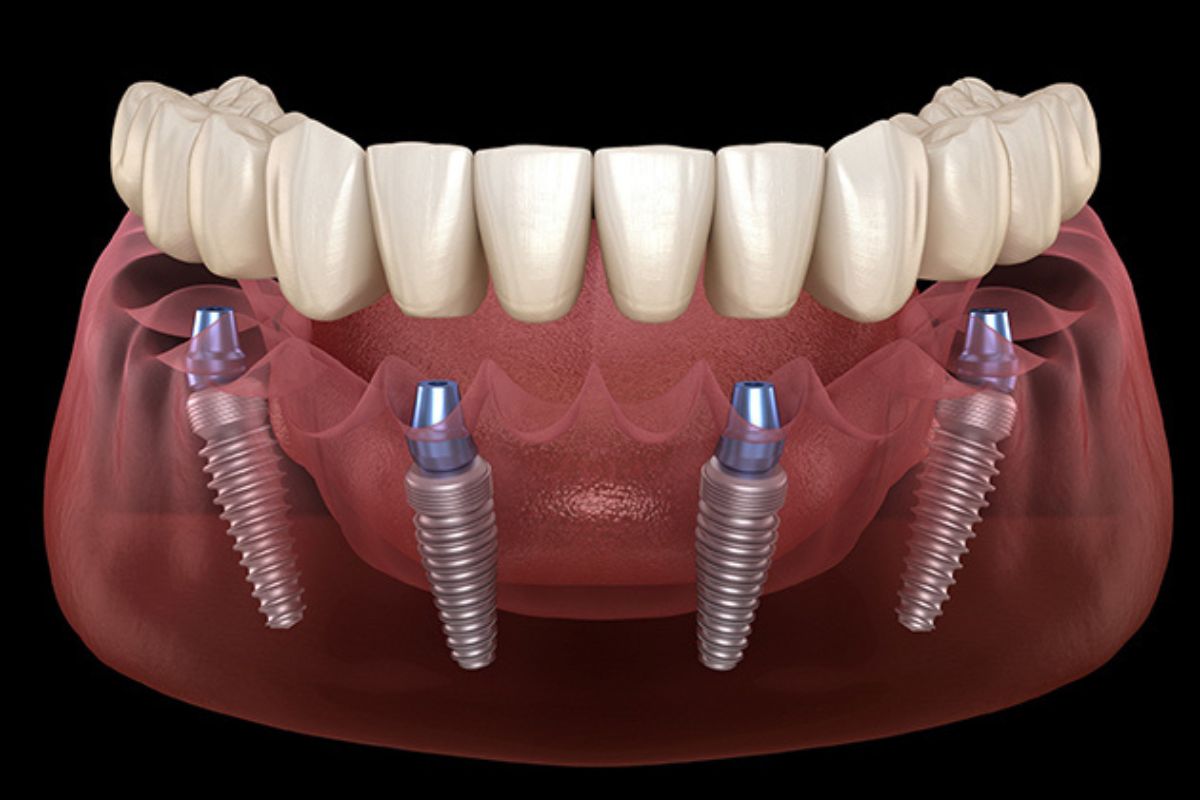
Complete implant integration takes longer. The titanium implants gradually fuse with the jawbone through a process called osseointegration. This can take several months depending on the individual case.
What Happens During the First Week After Surgery?
The first week is usually focused on comfort management and protecting the implant sites. Most patients experience:
- Mild bleeding during the first 24 hours
- Swelling around the cheeks and gums
- Temporary difficulty chewing harder foods
- Minor bruising near the jaw area
These symptoms typically improve within several days. Rest is important during this period. Patients should also avoid smoking and strenuous physical activity because both can slow healing.
During this stage, some individuals who need additional jaw support may require procedures similar to bone support enhancement before implant placement instead of traditional “bone grafting for all on 4 implants.” This helps improve implant stability and long-term success.
When Can You Eat Normally Again?
Diet plays a major role in recovery. Most patients begin with liquids and soft foods immediately after surgery. Foods like yogurt, smoothies, eggs, soup, mashed potatoes, and soft fish are usually recommended.
A gradual return to firmer foods may happen over several weeks depending on healing progress. Crunchy or very hard foods should be avoided early on because they may place excess pressure on the implants.
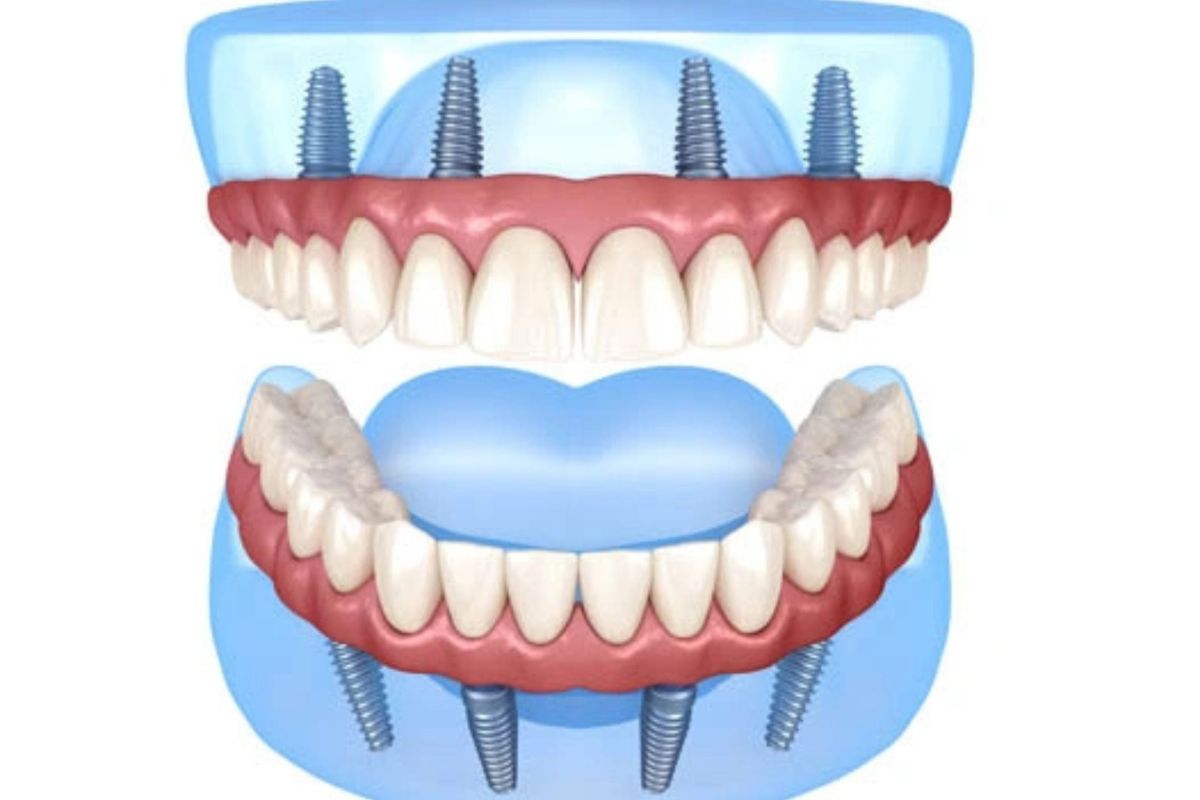
Many people receiving All on 4 implants in Hewlett notice significant improvement in comfort and chewing function once healing progresses and the implants stabilize.
What Factors Can Affect Healing Time?
Recovery is not identical for everyone. Several important factors influence the timeline.
Overall Oral Health
Healthy gums and strong jawbone structure support faster healing. Existing gum disease or infections may delay recovery.
Smoking and Tobacco Use
Smoking reduces blood flow and increases the risk of implant complications. Patients who avoid tobacco generally heal more efficiently.
Medical Conditions
Conditions such as diabetes or autoimmune disorders may slow healing if not properly managed.
Oral Hygiene Habits
Keeping the mouth clean after surgery is critical. Proper hygiene reduces bacteria buildup and lowers the risk of infection.
Following Post-Operative Instructions
Patients who carefully follow dietary recommendations, medication schedules, and cleaning instructions often experience smoother healing.
Is the Recovery Painful?
Most patients describe the recovery as manageable rather than severely painful. The procedure itself is typically performed under anesthesia or sedation, so discomfort during treatment is minimal.
After surgery, soreness usually resembles the feeling experienced after a tooth extraction. Many patients manage discomfort with prescribed or over-the-counter medication recommended by their dental provider.
Swelling usually peaks within 48 to 72 hours and then gradually improves.
How Long Until the Implants Fully Fuse With the Bone?
While initial healing may occur within weeks, full integration of the implants into the jawbone can take three to six months.
During this period, the implants become securely anchored beneath the gums. Temporary restorations are often worn while healing continues. Once the implants are fully stable, the final restoration is placed.
Patients who require advanced jaw preparation procedures before implant placement may experience slightly longer healing timelines. In some situations, supportive bone enhancement techniques are used to strengthen the jaw before implant surgery.
What Can Help Speed Up Recovery?
There are several practical ways to support healthy healing:
| Recovery Tip | Why It Helps |
|---|---|
| Follow soft-food guidelines | Prevents pressure on implants |
| Stay hydrated | Supports tissue healing |
| Avoid smoking | Improves blood circulation |
| Maintain oral hygiene | Reduces infection risk |
| Attend follow-up visits | Allows monitoring of healing |
| Get adequate rest | Helps the body recover faster |
Small lifestyle adjustments during recovery can significantly improve outcomes.
Are Follow-Up Visits Important?
Yes. Follow-up appointments allow the dental team to monitor healing and ensure the implants remain stable.
During these visits, providers evaluate:
- Gum healing
- Implant stability
- Bite alignment
- Signs of infection or irritation
These appointments are an important part of long-term implant success.
Trending FAQs About All-on-4 Implant Recovery
- How long does swelling last after All-on-4 implants?
Most swelling improves within 3 to 7 days. - Can I go back to work after implant surgery?
Many patients return to light work within a few days. - How long do I need soft foods?
Soft foods are often recommended for several weeks. - When can I brush my teeth normally again?
Gentle brushing usually resumes within a day, following provider instructions. - Do All-on-4 implants heal faster than traditional implants?
In many cases, fewer implants and strategic placement may simplify recovery. - Is it normal to feel pressure after surgery?
Yes. Mild pressure and tightness are common during early healing. - Can implants fail during healing?
Although uncommon, smoking, infection, or poor aftercare may increase risks.
What Should Patients Expect Emotionally During Recovery?
Healing is not only physical. Many patients feel excited but also nervous during the recovery period. Temporary swelling and dietary changes can feel frustrating at first. However, most individuals begin noticing positive improvements in speech, comfort, and confidence fairly quickly.
Communication with the dental team can help ease concerns throughout the process. Patients who understand the healing timeline often feel more comfortable and confident during recovery.
Later in the healing process, If you are searching for an expert prosthodontist near you, it is important to choose professionals with experience in full-mouth implant restoration and long-term implant care. Many patients appreciate the personalized guidance provided by our local expert prosthodontists throughout the recovery journey.
Recovery after All-on-4 implant treatment is a gradual process, but most patients find the experience well worth it. Initial healing usually improves within the first couple of weeks, while complete implant integration may take several months. Following aftercare instructions, maintaining excellent oral hygiene, and attending follow-up visits all contribute to better long-term outcomes.
Some patients may also benefit from advanced jawbone support procedures before treatment when additional stability is needed for implant placement. Understanding the full healing process ahead of time helps patients feel more prepared and confident about their treatment journey.
To learn more or schedule a consultation, contact our office today at Hewlett.