Have you noticed changes in your smile that make you pause? Many people overlook subtle shifts in their oral health until they impact daily routines. Recognizing these early indicators can help you take control and maintain confidence in your appearance and well-being. Let’s explore what your teeth might be telling you.
Understanding Tooth Loss and Its Prevalence
Tooth loss affects millions across the U.S. It often stems from decay, injury, or disease. Data shows it’s more common than you think. For instance, about 36 million Americans have no natural teeth left. Another 120 million miss at least one tooth. Seniors face higher risks. Around 17% of those 65 and older lack all teeth. Factors like smoking or poor hygiene worsen this.
Here’s a quick stats overview:
| Statistic | Detail | Source |
|---|---|---|
| Edentulous Adults | 36 million with no teeth | American College of Prosthodontists |
| Missing Teeth | 120 million lack at least one | American College of Prosthodontists |
| Seniors 65+ | 17.3% have no remaining teeth | NIDCR |
| Annual Dentures | 15% of edentulous get new ones yearly | American College of Prosthodontists |
These numbers highlight why early detection matters. Ignoring issues leads to more loss over time.
Common Causes Leading to Dentures
Gum disease tops the list. It weakens supporting tissues. Cavities erode enamel if untreated. Injuries from accidents chip or knock out teeth. Poor nutrition harms enamel strength. Chronic conditions like diabetes speed up decay. Habits such as grinding stress joints and roots.
Many face these without realizing the progression. Regular checkups catch problems early. Brushing twice daily helps. Flossing removes hidden plaque. A balanced diet supports strong bones.
Early Warning Signs to Watch For
Start with persistent pain. Aching teeth signal deep issues. It might mean infection or decay. Don’t ignore it.
Loose teeth follow. They shift when gums recede. Biting feels off. This points to bone loss underneath.
Gaps appear next. Spaces widen as teeth move. Food traps there, worsening problems.
Bleeding gums during brushing alarm you. Swollen or tender areas indicate inflammation. Early gum disease often starts this way.
Frequent infections recur. Abscesses swell painfully. They drain or cause fever if severe.
Missing teeth change bites. Nearby ones tilt into spaces. This strains jaws.
Difficulty chewing arises. Hard foods become tough. You favor one side.
Speech alters subtly. Lisps or whistles emerge with gaps.
Facial changes show last. Cheeks sink without tooth support. You look older prematurely.
These signs build gradually. Spotting them prompts action.
How These Signs Impact Daily Life
Pain disrupts meals. You skip favorites. Nutrition suffers.
Loose teeth make smiling hesitant. Confidence dips in social settings.
Infections bring fatigue. Work focus wanes.
Chewing issues lead to indigestion. Soft diets limit variety.
Speech changes affect conversations. You speak less.
Sunken features alter self-image. Photos feel awkward.
Overall, quality drops. Simple joys like eating out fade. Addressing signs restores normalcy.
Preventive Steps to Delay or Avoid Dentures
Brush properly. Use fluoride toothpaste. Floss daily.
Visit dentists twice yearly. Cleanings remove buildup.
Quit smoking. It harms gums badly.
Eat calcium-rich foods. Dairy and greens help.
Wear mouthguards for sports. Protect against knocks.
Manage health conditions. Control blood sugar.
These habits preserve teeth longer. Small changes yield big results.
Our dentures treatment in Hewlett, we blend advanced techniques for comfort. Custom fits ensure natural looks.
When to Seek Professional Help
Notice multiple signs? Act soon. Delays worsen damage.
Dentists assess thoroughly. X-rays reveal hidden issues.
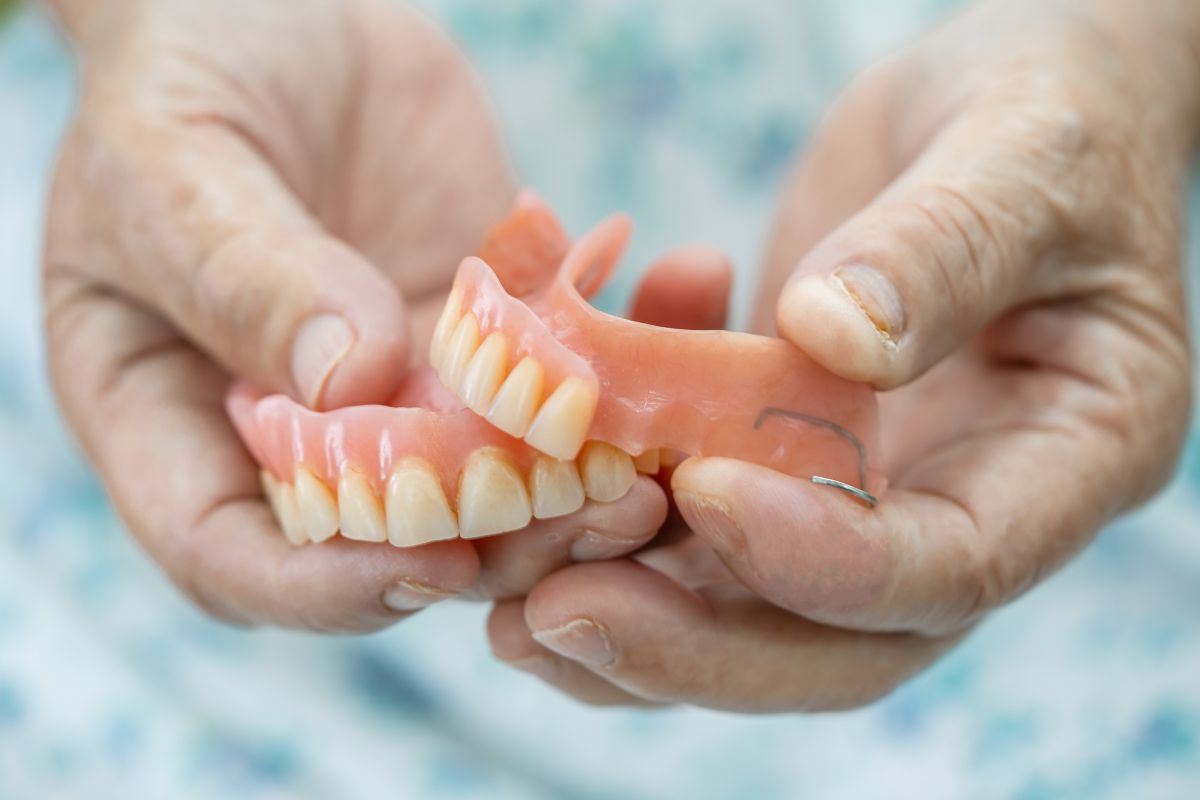
Options include partials for few missing teeth. Full sets replace all.
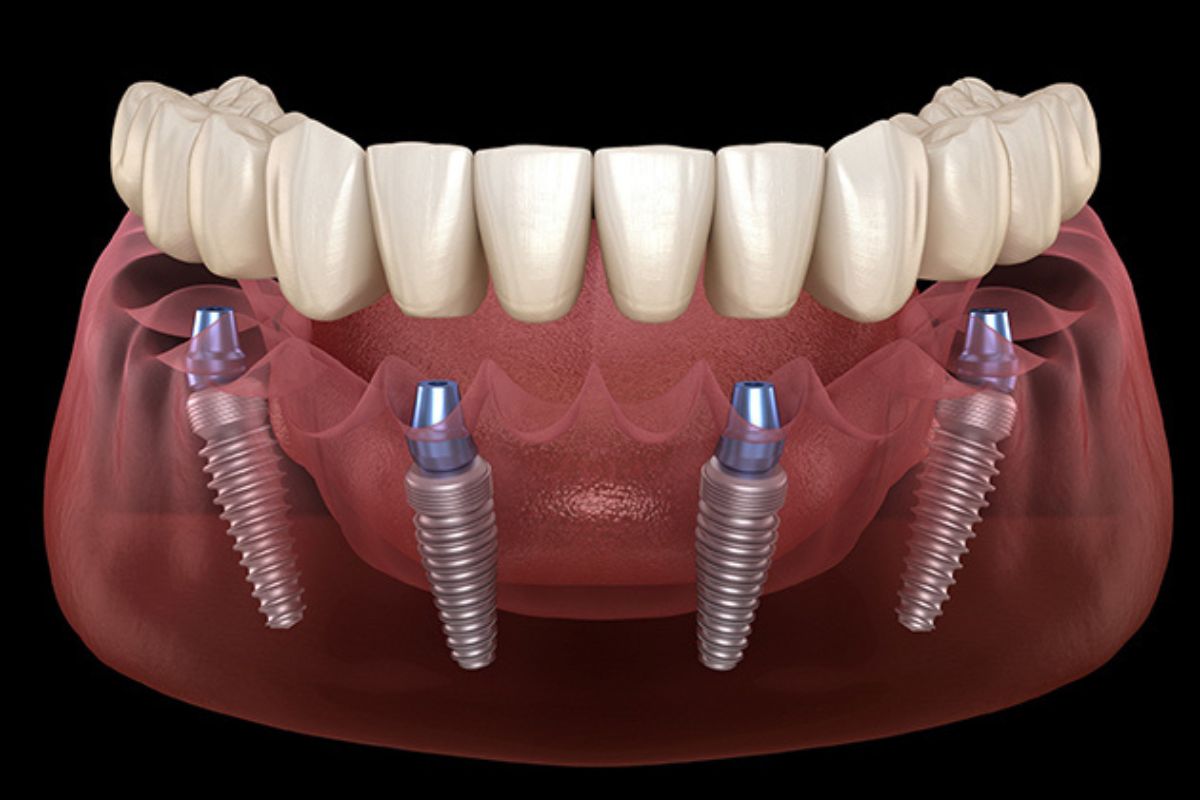
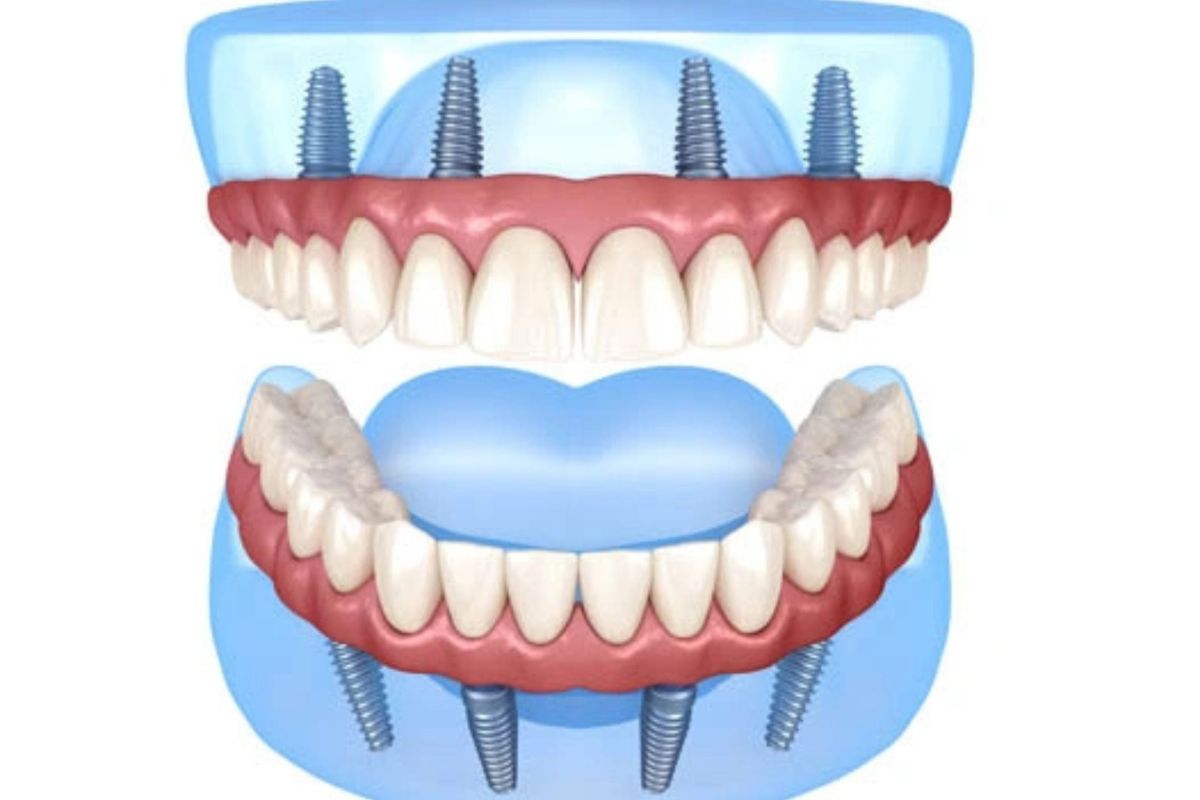
Implants anchor securely. Bridges fill gaps.
Choose based on needs. Comfort matters most.
Schedule an appointment if symptoms persist. Early intervention saves teeth.
Trending FAQs on Needing Dentures
People often search for clarity on this topic. Here are common questions with answers:
- How do I know if I need dentures? Look for chronic pain, loose teeth, or missing ones. Gum issues like bleeding also signal potential need. Consult a professional for confirmation.
- What are the early signs of gum disease leading to dentures? Red, swollen, or bleeding gums are key. Tenderness while brushing indicates early stages. Untreated, it causes tooth loss.
- Can loose teeth be saved before needing dentures? Sometimes yes, with treatments like deep cleanings or splints. Bone loss severity determines options. Early care improves chances.
- How does tooth pain relate to needing dentures? Severe, ignored pain often means decay or infection. Multiple affected teeth may require extraction and replacement.
- What facial changes suggest dentures might help? Sunken cheeks or jaw shifts occur without tooth support. Prosthetics restore structure and appearance.
These address frequent concerns based on popular searches.
Exploring Treatment Options
Partials suit some gaps. They clip onto remaining teeth.
Full dentures cover arches completely. Modern ones fit snugly.
Overdentures snap onto implants. Stability improves.
Materials vary. Acrylic lasts well. Flexible types bend comfortably.
Maintenance involves cleaning daily. Soak overnight.
Adjustments ensure fit over time. Jaws change shape.
Consulting Experts for Personalized Care
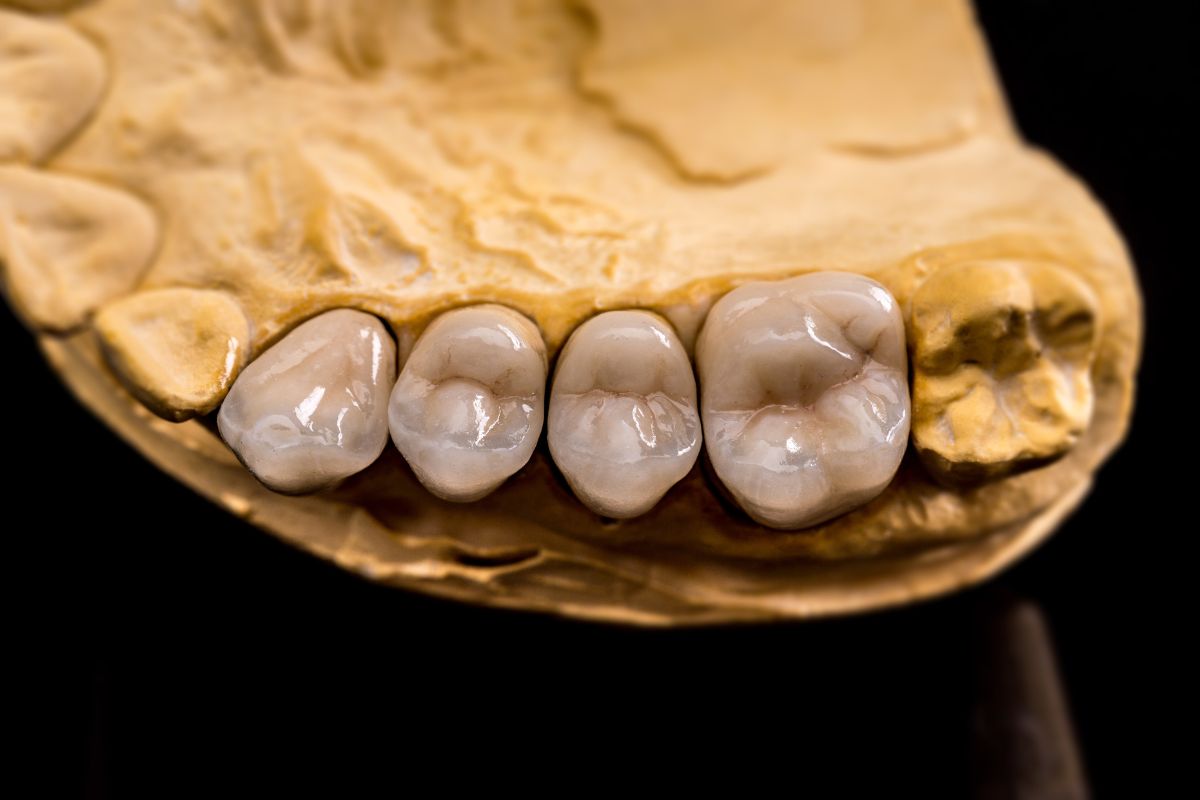
Talking to a specialist makes a difference. They guide based on your unique situation. In our area, seeing our prosthodontist in Hewlett, NY, brings expertise in restorations. These pros handle complex cases with precision. Their training focuses on function and aesthetics. You’ll get tailored advice in a welcoming setting.
Taking the Next Step
Ready to address those signs? Don’t wait for issues to escalate. Schedule an appointment today to discuss your options and regain your smile.
Early awareness empowers you. With the right steps, you can protect your oral health for years ahead. Stay proactive and enjoy every bite and laugh.