Imagine flashing a confident smile that lights up every room. Many people chase that brighter look, only to face stubborn discoloration that brushing and store-bought products cannot touch. Deep intrinsic stains hide beneath the surface and challenge everyday fixes. The good news? Modern approaches can often deliver meaningful improvement when guided by professionals who understand tooth anatomy.
Extrinsic and Intrinsic Stains Explained
Tooth discoloration comes in two main forms. Extrinsic stains sit on the outer enamel. They develop from coffee, tea, wine, or tobacco. Bleaching agents reach these surface pigments easily and break them down for quick, visible results.
Intrinsic stains form deeper inside the tooth, within the dentin layer. They resist surface treatments because the color change starts internally. Professional evaluation helps identify the type and depth accurately.
Common Causes of Deep Intrinsic Stains
Several factors create these internal marks. Certain antibiotics taken during childhood, such as tetracycline, often leave gray or brown bands. Trauma to a tooth can darken it from within after blood breakdown. Excessive fluoride during tooth development leads to fluorosis with white or brown spots. Aging thins enamel and reveals yellower dentin underneath. Genetics and developmental conditions also play roles in some cases.
Understanding the root cause guides the right approach. A detailed exam reveals whether whitening alone suffices or if combined methods work better.
How Teeth Whitening Works on Discoloration
Professional whitening relies on peroxide-based gels, typically hydrogen peroxide or carbamide peroxide. These agents penetrate enamel to reach chromophores—the molecules responsible for color. They oxidize and break down the pigments, lightening the overall shade.
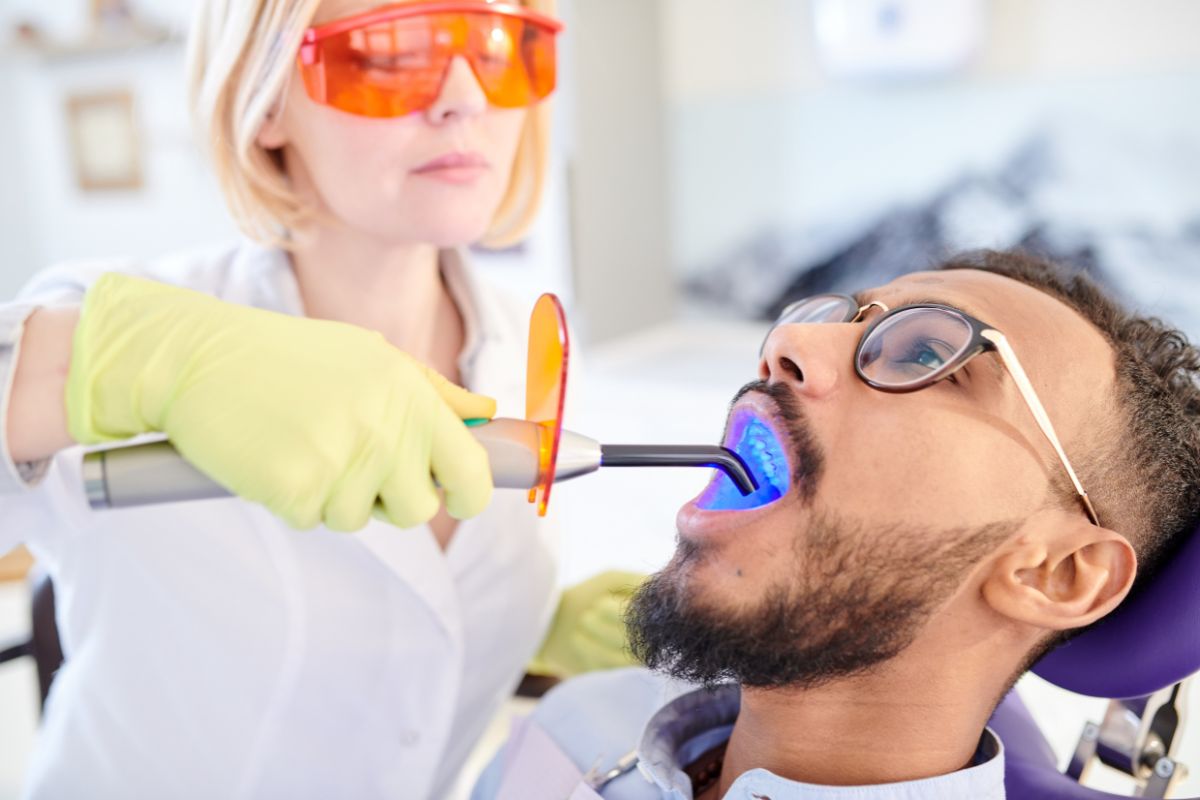
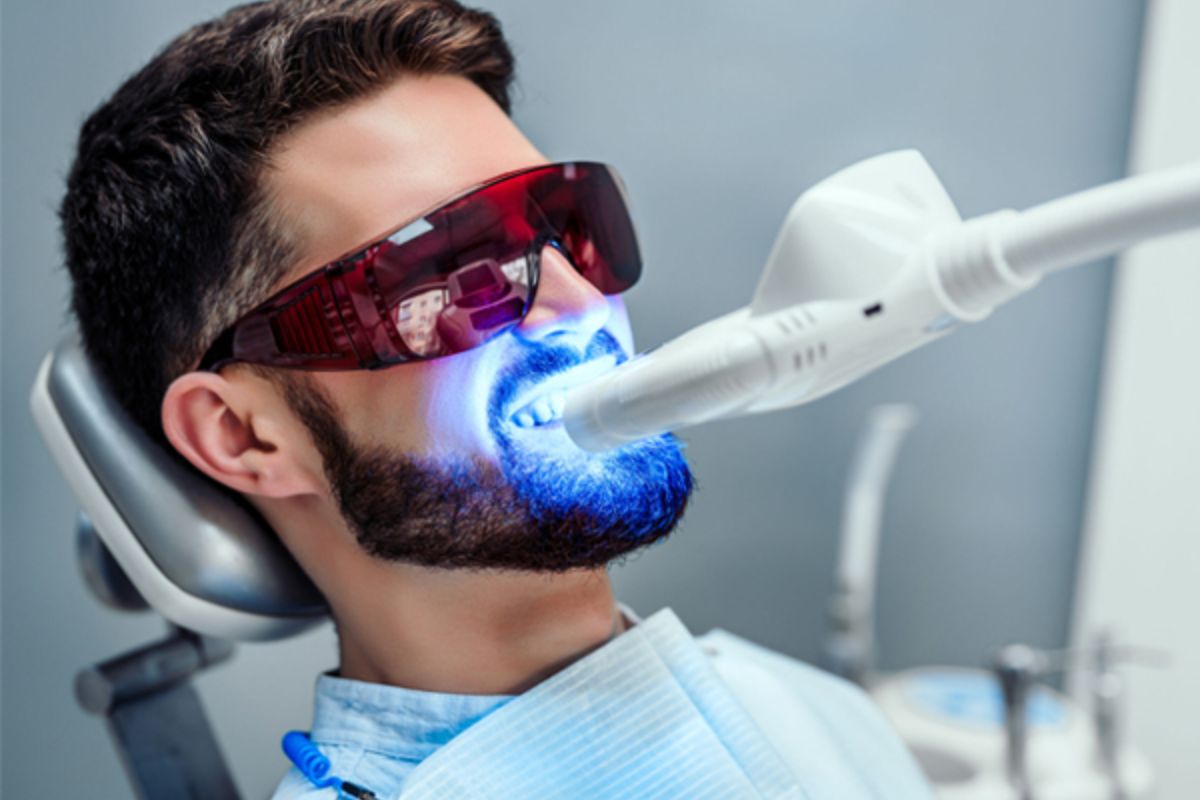
In-office treatments use higher concentrations under controlled conditions. Light or laser activation sometimes boosts the process for deeper penetration. Take-home trays from a dentist offer convenient follow-up with custom-fitted applicators. Both methods outperform over-the-counter options due to stronger formulas and expert supervision.
Realistic Expectations for Deep Intrinsic Stains
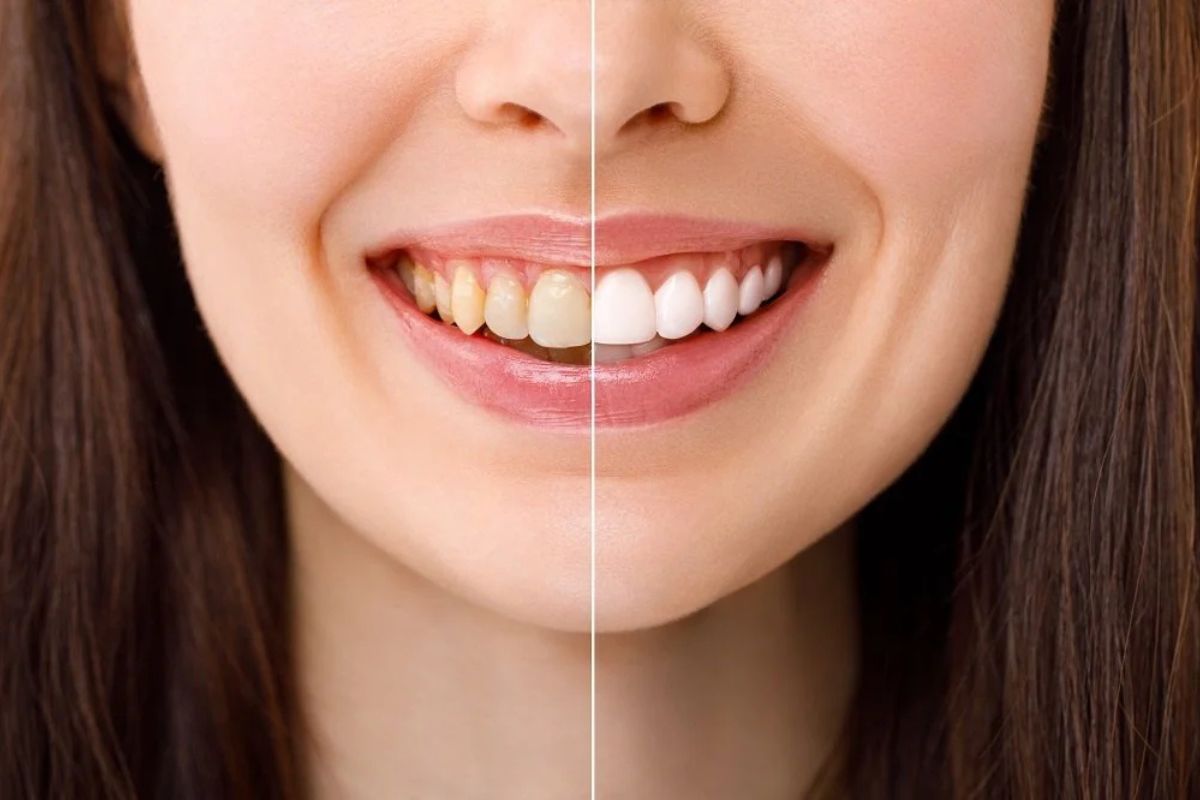
Whitening shows variable success with deep intrinsic stains. Mild to moderate cases often respond with noticeable lightening after professional application. Severe or long-standing discoloration may improve only partially because bleaching agents struggle to reach every pigment fully.
Results depend on stain cause, depth, and tooth health. Some patients achieve several shades brighter. Others see subtle changes that still boost overall appearance. Dentists assess vitality and enamel condition first to set honest expectations and avoid disappointment.
Maximizing Outcomes with Expert Techniques
Dentists customize treatments to each smile. They isolate teeth, protect soft tissues, and monitor progress closely. Multiple sessions or combined in-office and at-home care can enhance results for stubborn cases. Maintenance habits, such as avoiding staining foods right after treatment, help lock in brightness longer.
Many local patients discover remarkable improvements through a teeth whitening procedure in Hewlett, NY. Skilled providers tailor plans to individual needs and deliver safe, effective care.
Comparison of Tooth Stains
| Stain Type | Location | Common Causes | Whitening Effectiveness | Alternative Options |
|---|---|---|---|---|
| Extrinsic | Surface enamel | Food, drinks, tobacco | High – often excellent results | Polishing, basic whitening |
| Intrinsic | Dentin layer | Medications, trauma, fluoride, aging | Low to moderate – partial lightening possible | Veneers, bonding, internal bleaching |
This table highlights why professional assessment matters. It clarifies when simple whitening works and when advanced cosmetic solutions deliver better uniformity.
Alternative Solutions for Stubborn Cases
When whitening reaches its limits, other options restore brightness beautifully. Porcelain veneers cover the front surface and mask deep discoloration completely. Composite bonding applies tooth-colored resin to reshape and hide spots. Internal bleaching suits non-vital teeth after root canal treatment.
These methods create natural-looking results that blend seamlessly. Dentists often combine techniques for the most dramatic yet authentic smile transformation.
Trending FAQs on Whitening and Deep Intrinsic Stains
Here are answers to common questions people ask online:
- Can teeth whitening remove intrinsic stains completely? It lightens many cases effectively, especially milder ones, but deep or severe intrinsic stains often need additional cosmetic treatments for full coverage.
- What causes intrinsic tooth stains? Medications during development, tooth trauma, excessive fluoride, aging, and certain medical conditions are the primary triggers.
- Is professional whitening better than at-home kits for deep stains? Yes. In-office treatments use stronger agents, precise application, and activation methods that improve penetration and results compared to store-bought products.
- How long do results last on intrinsic discoloration? Results vary but typically endure 6 to 24 months with good habits. Touch-up treatments maintain brightness over time.
- Are there risks when whitening teeth with intrinsic stains? Sensitivity is the most common side effect and usually temporary. Proper technique and dentist supervision minimize any issues.
- When should someone consider veneers instead of whitening? Choose veneers for very deep, resistant stains or when uniform color and shape changes are desired alongside whitening.
Moving Forward with Confidence
If you are searching for a expert cosmetic dentist near you, a thorough evaluation can reveal the best options tailored to your unique smile. Professionals examine stain type, tooth health, and personal goals to create a plan that truly works.
Your smile deserves to shine. With accurate information and expert guidance, even deep intrinsic stains no longer need to hold you back. Take the first step today toward the bright, confident appearance you have always wanted. Schedule a consultation and discover what modern dentistry can do for you.