Have you ever walked out of a dental office with a brighter smile, only to notice your teeth feel a bit gritty or uneven? This common experience can catch many people off guard. It’s frustrating when you’re expecting smooth, polished results. Let’s dive into why this happens and how to handle it effectively.
Understanding the Whitening Process
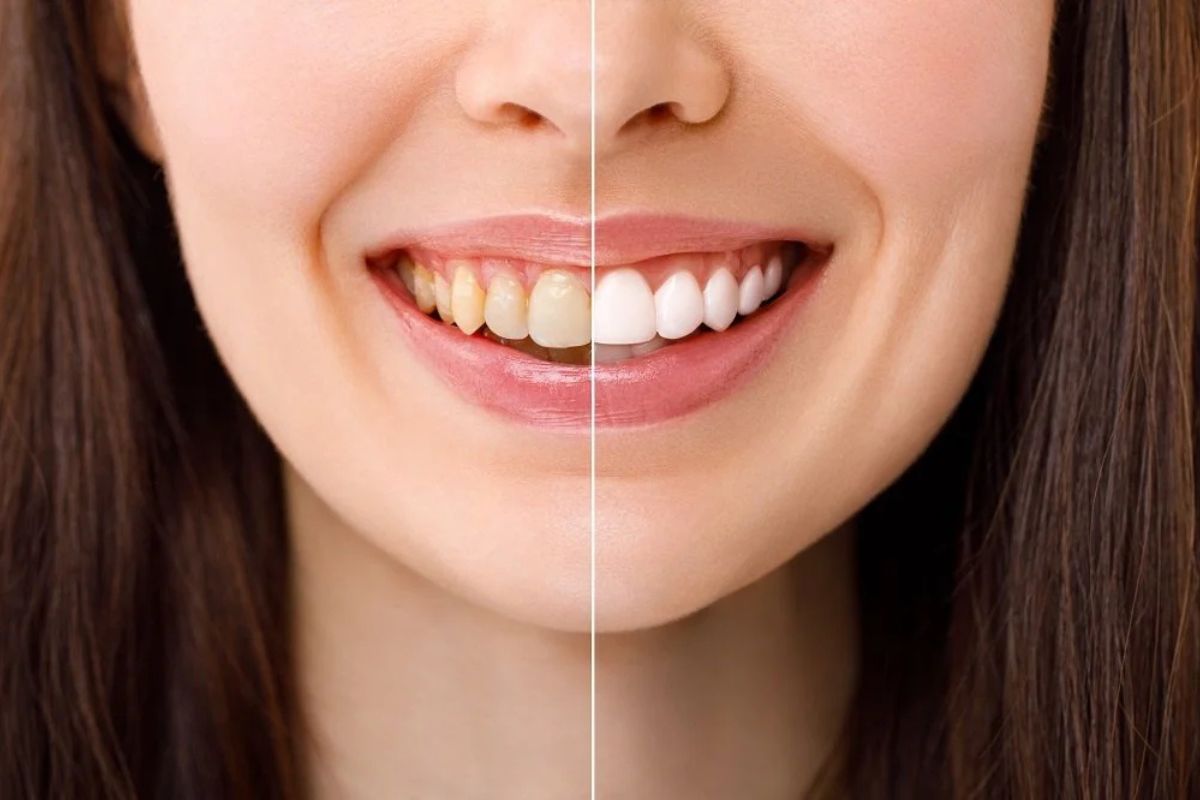
Teeth whitening works by using agents like hydrogen peroxide or carbamide peroxide. These break down stains on the enamel surface. The process targets discoloration from coffee, wine, or aging. Professional treatments often deliver faster results than over-the-counter options.
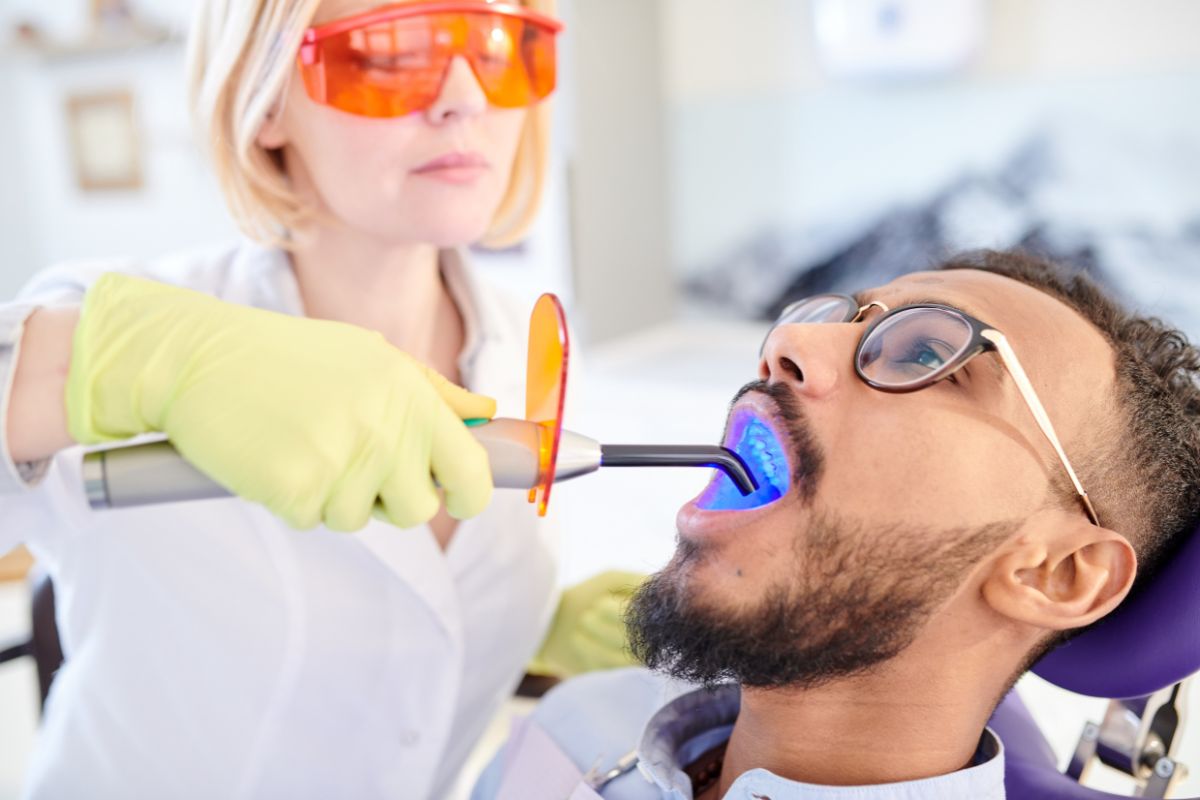
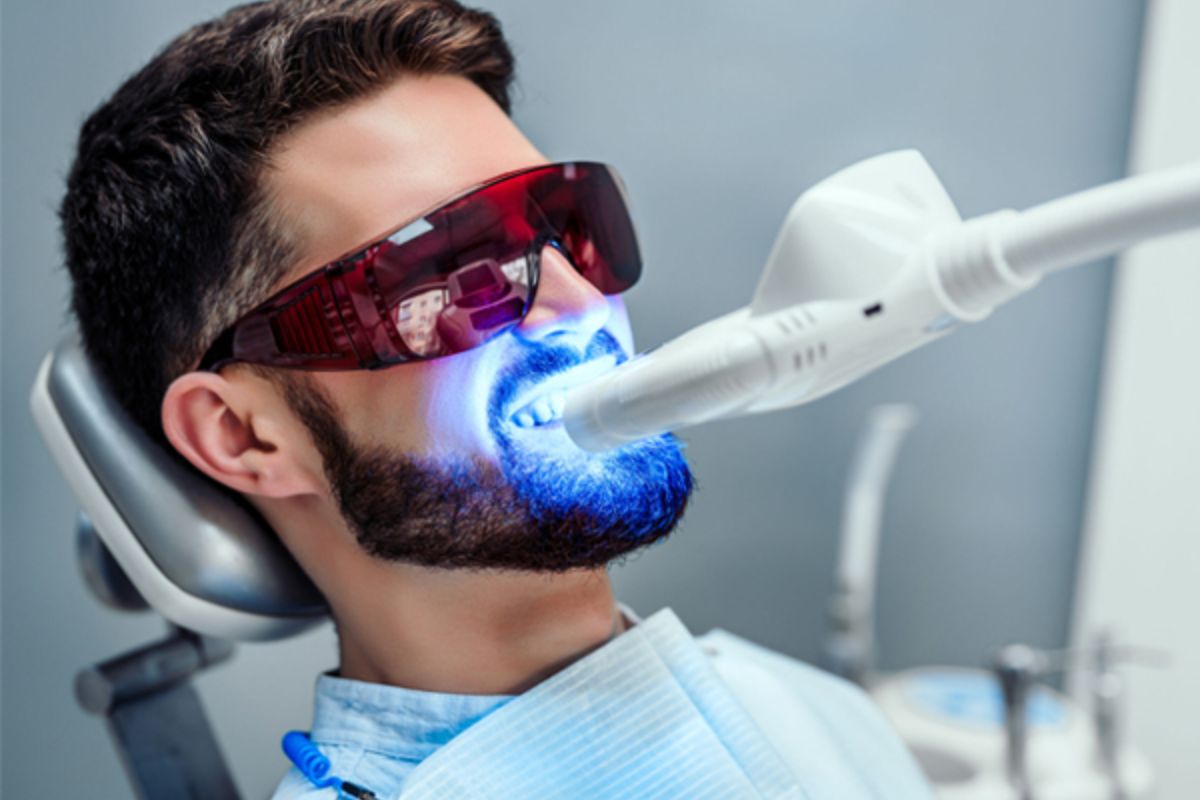
During the session, a protective gel shields your gums. The whitening agent sits on your teeth for a set time. Light or laser activation can speed things up. Afterward, your dentist rinses everything off. This leaves teeth looking whiter, but sometimes with unexpected textures.
Common Causes of Rough Teeth After Whitening
The rough feeling often stems from temporary enamel changes. Peroxide can slightly etch the outer layer, creating microscopic roughness. This isn’t damage—it’s part of how stains lift away.
Dehydration plays a role too. Whitening dries out teeth temporarily. Without full moisture, enamel feels less smooth. Saliva usually helps rehydrate, but it takes time.
Plaque or residue might linger if not fully removed post-treatment. Tartar buildup can amplify the gritty sensation. Sensitive teeth may notice this more.
How Long Does the Roughness Last?
Most people find the rough texture fades within 24 to 48 hours. Enamel remineralizes naturally with saliva’s help. Hydration returns, smoothing things out.
If it persists beyond a few days, underlying issues could be at play. Previous enamel wear or improper aftercare might extend it. Always monitor and consult if needed.
Factors like whitening strength affect duration. Stronger formulas may cause longer effects. Gentle, professional methods often minimize this.
Tips to Smooth Out Rough Teeth Post-Whitening
Stay hydrated. Drink plenty of water to aid rehydration. Avoid hot or cold drinks right after.
Use a soft-bristle toothbrush. Gentle brushing prevents further irritation. Pair it with sensitivity toothpaste.
Rinse with a fluoride mouthwash. This strengthens enamel and promotes smoothness. Do it twice daily.
Skip acidic foods for 48 hours. Citrus or soda can worsen roughness. Opt for neutral options like bananas.
Chew sugar-free gum. It boosts saliva flow, speeding recovery. Look for xylitol-based varieties.
If sensitivity joins the roughness, desensitizing gels help. Apply as directed for relief.
Trending FAQs on Rough Teeth After Whitening
Many folks search for answers online about this issue. Here are some top questions from Google, with clear explanations:
- Why do my teeth feel sensitive after whitening? The bleaching agents open enamel pores, exposing dentin nerves. This temporary effect usually eases in a day or two.
- How long does tooth sensitivity last after whitening? It often resolves within 24 to 72 hours. Proper aftercare, like using sensitivity toothpaste, can shorten it.
- Can teeth whitening damage enamel? When done professionally, it’s safe and doesn’t cause permanent harm. Overuse of at-home kits might weaken enamel over time.
- What should I avoid after teeth whitening? Steer clear of staining foods like berries or coffee for 48 hours. Also, skip tobacco to maintain results.
- Is it normal for teeth to hurt after whitening strips? Yes, the peroxide can irritate. If pain is severe, stop use and see a dentist.
Preventing Roughness in Future Treatments
Choose professional options for better control. Dentists customize strength to your needs, reducing side effects.
Prepare your teeth beforehand. A cleaning removes plaque, creating a smoother base.
Follow aftercare instructions closely. This includes avoiding certain foods and maintaining oral hygiene.
Laser-assisted methods can be gentler. They target stains precisely with less overall impact.
If you have thin enamel, discuss alternatives. Bonding or veneers might suit better for lasting smoothness.
Our teeth whitening procedure in Hewlett offers tailored approaches that prioritize comfort.
When to Seek Professional Advice
Persistent roughness beyond a week warrants a check-up. It could signal enamel issues or allergies.
Sudden pain or swelling needs immediate attention. Don’t ignore these signs.
Regular dental visits catch problems early. They ensure treatments align with your oral health.
Talking to a cosmetic dentist in Hewlett, NY, can provide personalized insights in a relaxed setting.
If you’re prone to sensitivity, pre-treatment desensitizers help. Your dentist can recommend the best ones.
Wrapping Up Your Path to a Smoother Smile
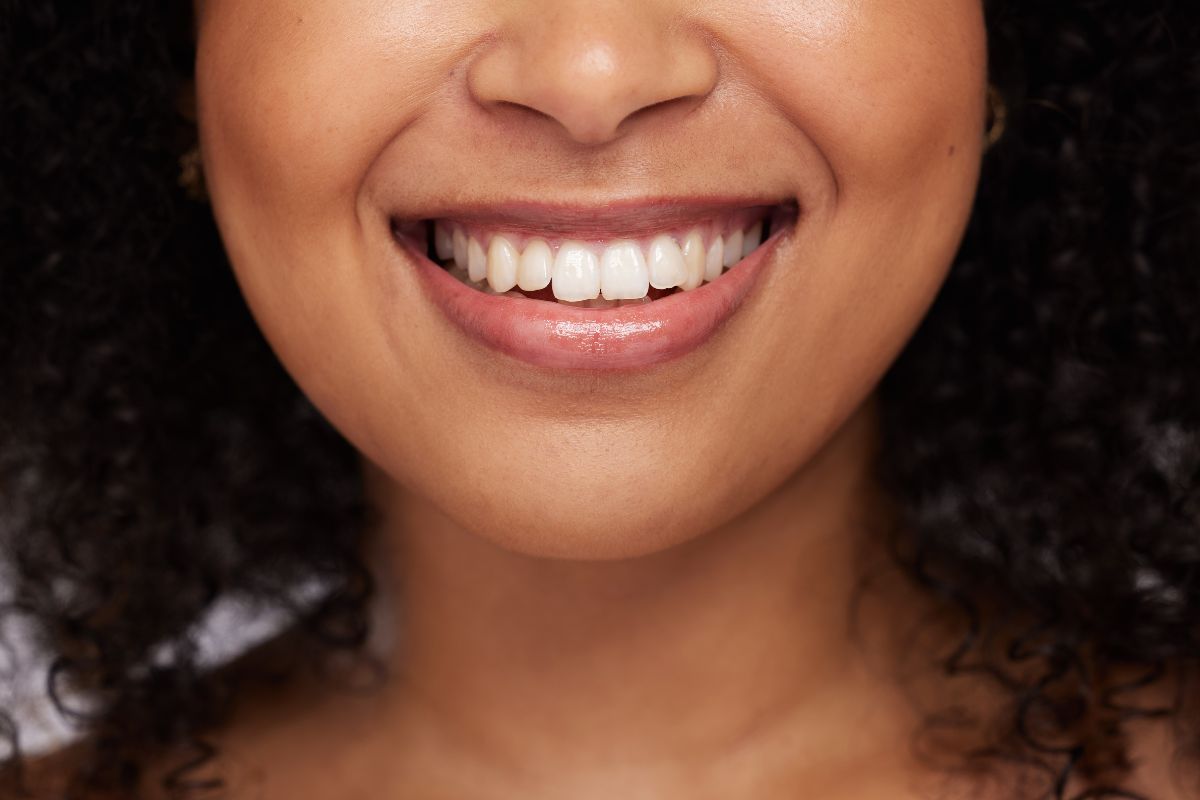
Experiencing rough teeth after whitening is common but manageable with the right steps. By understanding the causes and following simple tips, you can enjoy your brighter smile sooner. Remember, professional guidance makes all the difference in achieving lasting results. If concerns linger, schedule an appointment to get expert advice tailored to you.