Living with several failing teeth brings daily frustration. Simple tasks like chewing or smiling become difficult. Many people feel self-conscious and worry about worsening oral health. The good news is that advanced techniques now make it possible to restore an entire arch of teeth efficiently and effectively.
The Struggles of Multiple Failing Teeth
Failing teeth often result from severe decay, gum disease, or past injuries. These issues cause pain and increase infection risks. Over time, the bone in the jaw begins to shrink. Nearby teeth may shift into open spaces. This cycle affects bite alignment and overall comfort. Daily life changes as favorite foods get avoided and confidence dips.
Common Approaches to Tooth Replacement
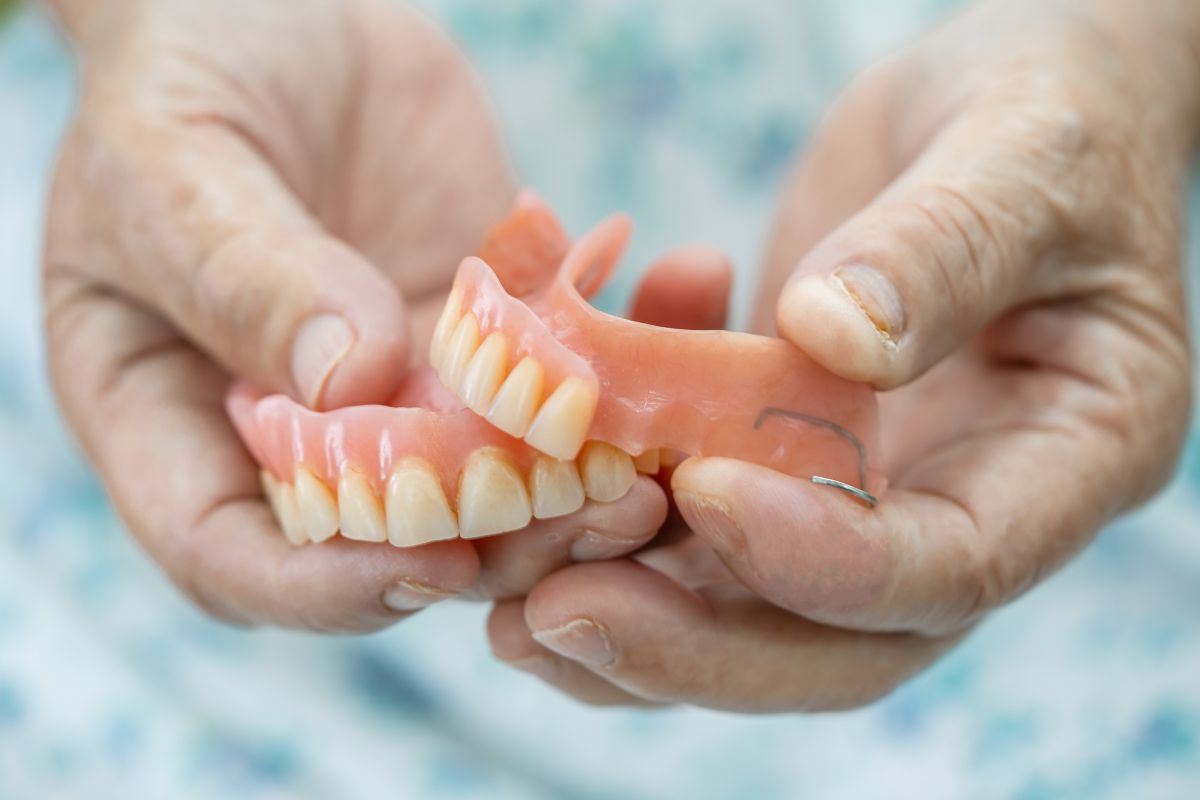
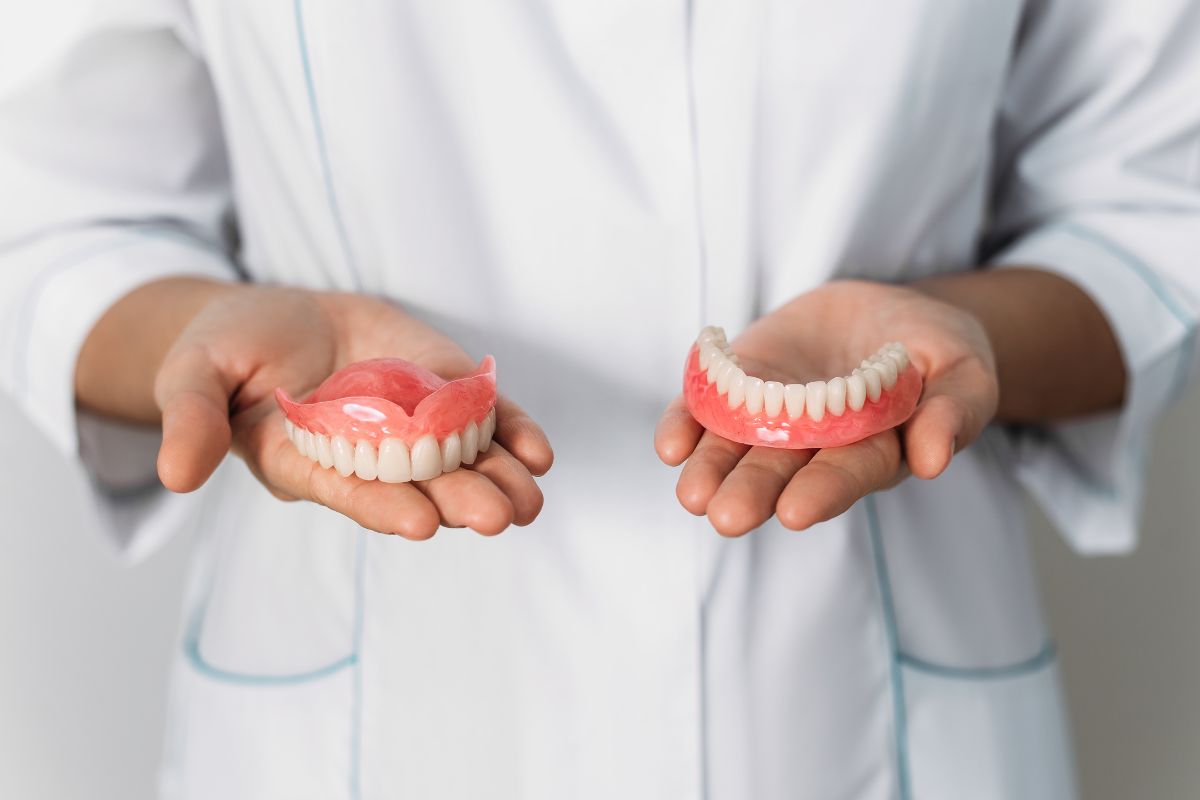
Traditional bridges or removable dentures have helped many patients for years. Bridges rely on adjacent teeth for support. Dentures can slip during meals or conversations. Both options may fail to stop ongoing bone loss. They often need adjustments and replacements over time. These limitations lead many to seek better alternatives.
A Breakthrough in Comprehensive Smile Restoration
Modern dentistry offers streamlined solutions for full-arch needs. These methods use strategic implant placement to support prosthetic teeth securely. Patients often gain immediate improvements in function and appearance. The approach focuses on stability and natural aesthetics without extensive surgeries in many cases.
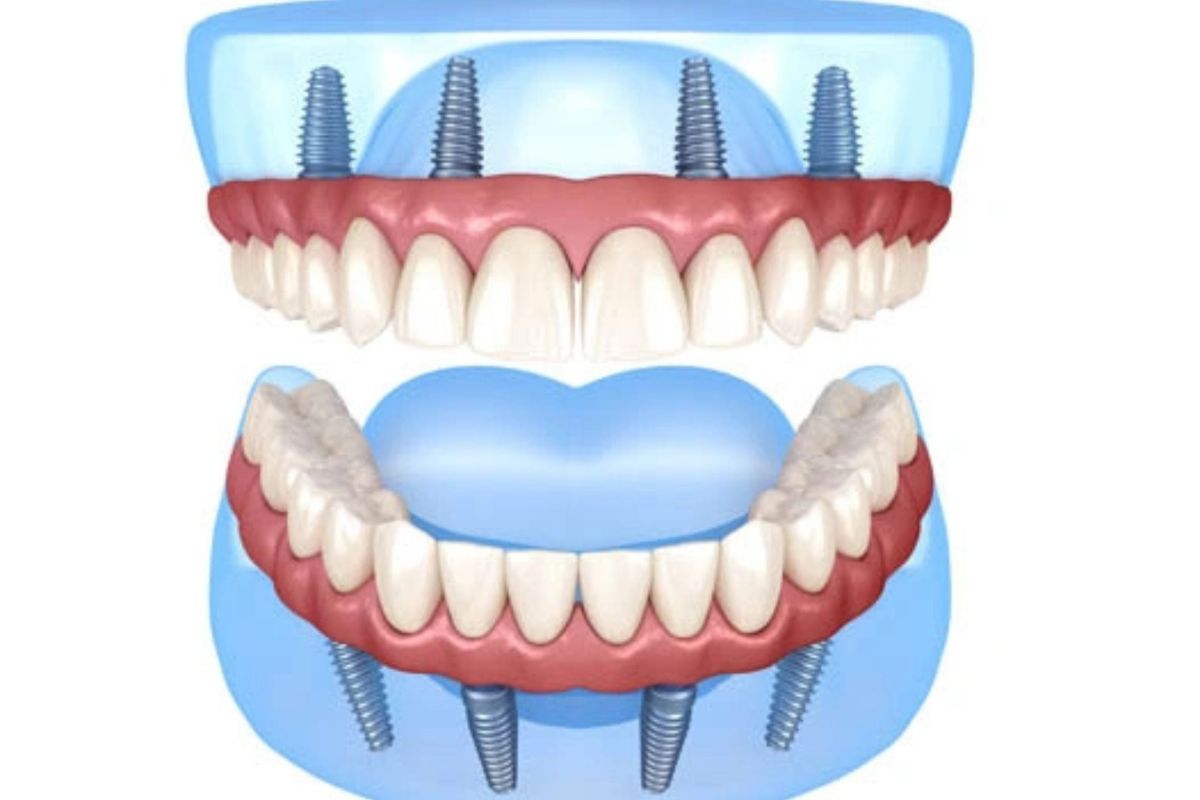
One popular method is full-arch dental implants. This technique anchors a complete set of teeth to a small number of implants. It feels secure and looks natural. Many report easier eating and clearer speech soon after treatment.
Understanding the All-on-4 Concept
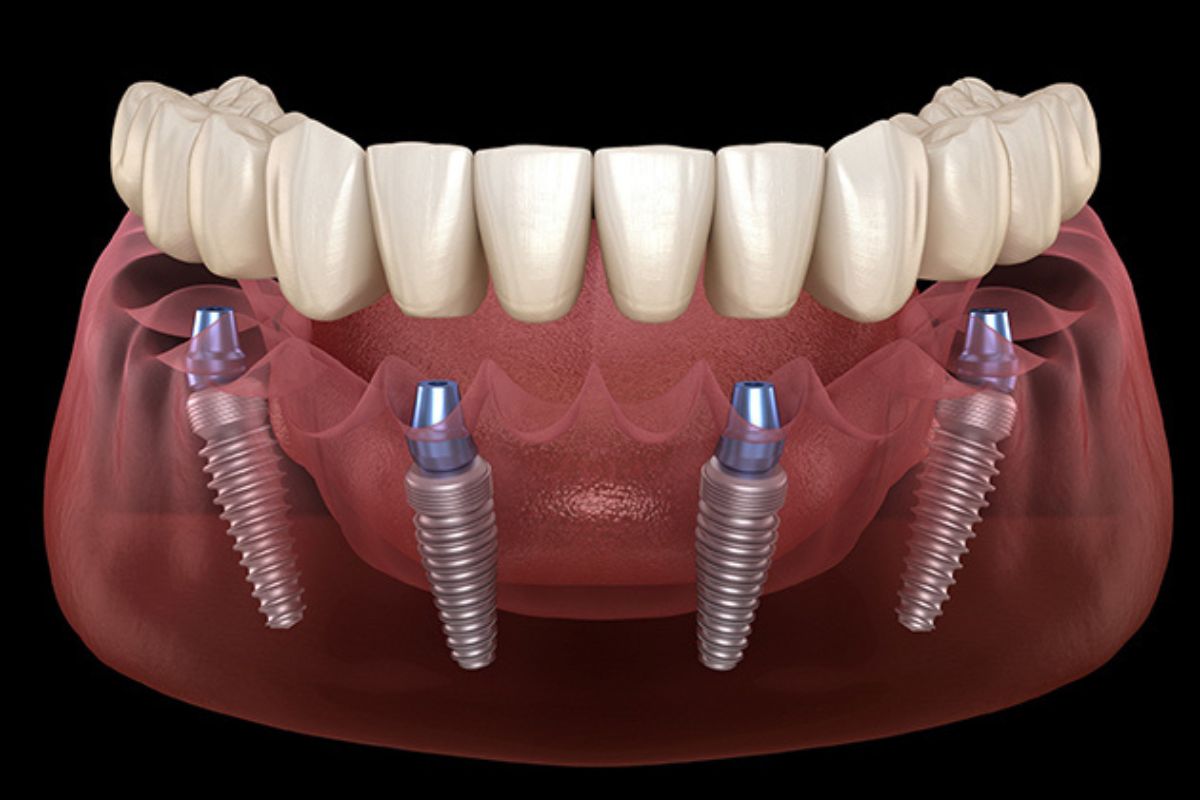
The All-on-4 approach places four implants per arch at specific angles. This design maximizes the use of available bone, often avoiding the need for grafting. Titanium posts fuse with the jaw through osseointegration. A custom prosthetic arch then attaches to these anchors. The result mimics natural teeth in both form and function.
What Happens During the Treatment Process
It begins with a detailed consultation and advanced 3D imaging. The team assesses bone quality and plans precise implant positions. On procedure day, any non-restorable teeth are gently removed. Implants go into place during a single visit. A temporary prosthesis is often attached right away, letting patients leave with functional teeth. Later, a permanent set completes the transformation after healing.
Recovery Timeline and Tips
Recovery tends to be smoother than many expect. Most return to work or routine activities within a few days. Mild swelling or discomfort is common at first but eases quickly. Soft foods help during the initial phase. Good oral hygiene and follow-up visits support proper healing. Full integration of implants typically takes three to six months.
Why This Option Stands Out
This solution stands out for its ability to preserve jawbone and restore strong bite force. Patients enjoy improved nutrition from a wider food range. Speech becomes more natural. Self-esteem rises with a confident smile. Long-term, it reduces risks linked to missing teeth, such as further bone loss or facial changes.
Patients in the Hewlett area have found great success with our All-on-4 implants in Hewlett, NY, when seeking efficient solutions for extensive tooth loss.
Key Statistics on Full Arch Solutions
| Feature | Details |
|---|---|
| Success Rate | Exceeds 95% over 10+ years |
| Implants per Arch | Only 4 strategically placed |
| Immediate Function | Temporary teeth are often the same day |
| Bone Preservation | High due to implant stimulation |
| Full Healing Time | 3 to 6 months for integration |
These numbers highlight the reliability of well-planned implant treatments.
Trending FAQs on Fixing Multiple Failing Teeth at Once
Here are answers to questions people frequently ask about this topic:
- What causes multiple teeth to fail at the same time? Advanced gum disease, widespread decay, trauma, or grinding often contribute. Poor oral hygiene or certain medical conditions can accelerate the process.
- Is it possible to replace all failing teeth in one procedure? Yes. Techniques like implant-supported full arch restorations allow comprehensive replacement during a streamlined process.
- How painful is the recovery? Most patients describe mild discomfort managed with prescribed medication. Modern methods minimize trauma for quicker comfort.
- How long until everything feels normal? Temporary teeth provide function immediately. Full integration and final prosthesis take several months, but daily improvements appear early.
- Who makes a good candidate for this treatment? Adults in good general health with sufficient bone or suitable for angled placement often qualify. A thorough evaluation determines fit.
- What care do the new teeth need? Brush and floss daily like natural teeth. Regular dental visits and avoiding hard foods protect the investment for years to come.
If you are searching for an expert prosthodontist near you, a personalized consultation can clarify your options and create a plan that fits your lifestyle and goals.
Don’t let multiple failing teeth hold you back. Explore today’s solutions and take that first step toward a healthier, more confident smile. Your future self will thank you for acting now.