Losing a tooth can feel like no big deal at first. Maybe it happened from an accident or decay, and you think you can get by without it. But over time, that empty space starts causing real trouble. Let’s dive into the hidden issues that arise when you put off replacement. We’ll explore the effects on your mouth, body, and daily life, all while sharing tips to help you make smart choices.
The Immediate Effects on Your Oral Health
Right after a tooth goes missing, your mouth begins to adjust in ways you might not notice. Nearby teeth start shifting to fill the gap. This can lead to misalignment and uneven wear. Your bite might change, making chewing tougher.
Gum tissue around the empty spot can recede. Bacteria find it easier to build up there. This raises the risk of infections and further decay. Early signs include sensitivity or mild discomfort during meals.
Many people ignore these changes, thinking they’re minor. But addressing them soon prevents bigger problems down the line.
Long-Term Consequences for Your Smile
As months pass, bone loss becomes a key issue. The jawbone needs stimulation from tooth roots to stay strong. Without it, the bone starts to shrink. This process, called resorption, can make your face look sunken over time.
Shifting teeth create crooked smiles. Gaps widen, trapping food and plaque. This often leads to more tooth loss if left unchecked. Your remaining teeth take on extra stress, wearing down faster.
Studies show these effects speed up after the first year. Acting early keeps your smile intact and functional.
Here’s a quick look at some eye-opening stats on tooth loss in adults:
| Age Group | Percentage with Complete Tooth Loss | Source |
|---|---|---|
| 65-74 years | 11% | CDC |
| 75+ years | 20% | CDC |
| All adults | 178 million missing at least one tooth | American College of Prosthodontists |
These numbers highlight how common the problem is. They also stress the need for timely action to avoid joining these stats.
Impact on Overall Health and Well-Being
Missing teeth affect more than your mouth. Chewing becomes harder, so you might skip nutritious foods like fruits or nuts. This can lead to poor nutrition and weight issues.
Speech can suffer too. Certain sounds get tricky without full teeth support. Confidence takes a hit, especially in social settings. People often feel self-conscious about gaps in their smile.
Links exist between tooth loss and broader health risks. Research ties it to higher chances of heart problems or even cognitive decline. Keeping your teeth replaced supports whole-body wellness.
Daily habits shift as well. You might avoid laughing freely or eating out. Restoring your teeth brings back that ease and joy.
Trending FAQs on Delaying Tooth Replacement
People often search for answers on this topic. Here are some top questions from Google, with clear insights based on expert knowledge:
- What are the risks of delaying tooth replacement? Delaying can cause bone loss, teeth shifting, and bite issues. It also boosts chances of gum disease and further tooth damage. Early replacement like implants helps avoid these.
- How long can you go without replacing a missing tooth? Ideally, act within a few months. Bone loss starts soon after, but it’s never too late. Options exist even years later, though treatment might get more complex.
- Is it ever too late to replace missing teeth? No, but waiting makes procedures harder due to bone changes. Modern techniques like bone grafts can still work well for most people.
- Why shouldn’t you delay scheduling replacement teeth? The empty space stresses your jaw and nearby teeth. Over time, this leads to pain, misalignment, and potential need for more extensive fixes.
- What happens if you don’t replace a missing tooth at all? Your face might sag, chewing gets tough, and other teeth wear out faster. It can even affect nutrition and self-esteem.
These FAQs address common worries. They show why proactive steps matter.
Exploring Replacement Solutions
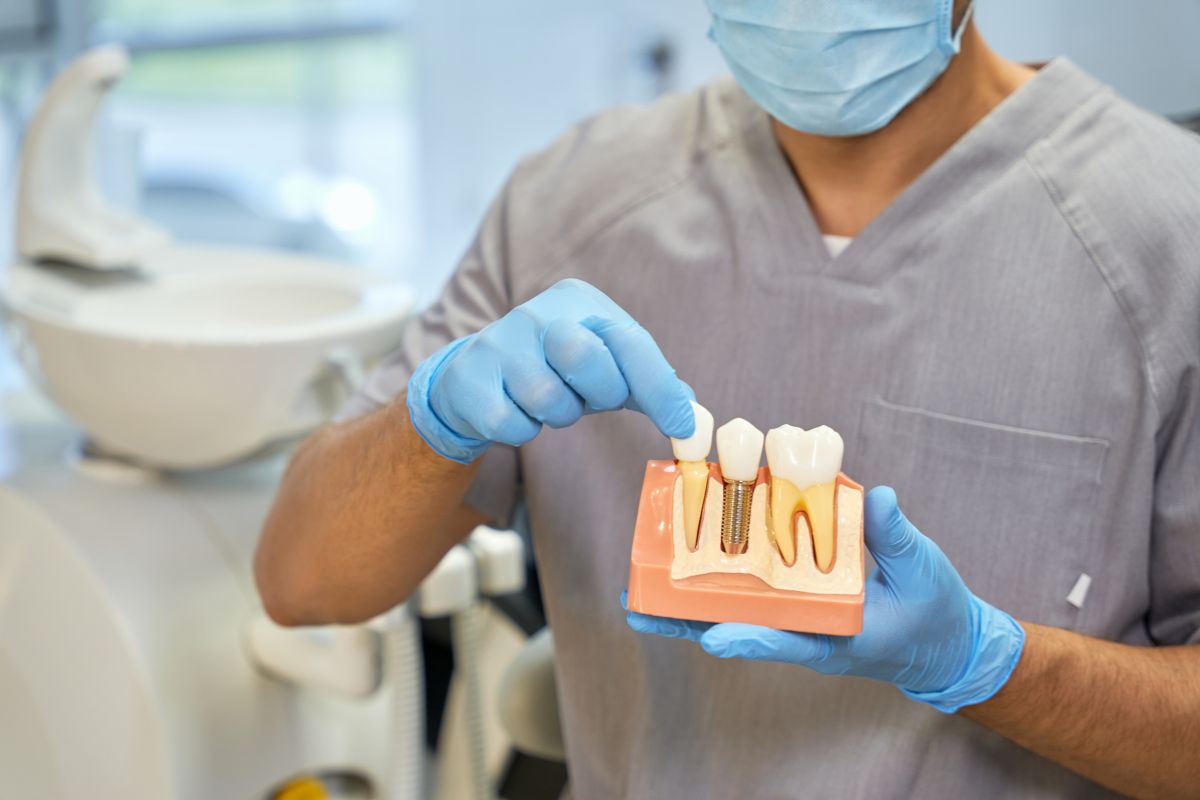
When a tooth is gone, several paths can restore your smile. Bridges use nearby teeth for support. Dentures offer a removable fix for multiple gaps. Each has its place based on your needs.
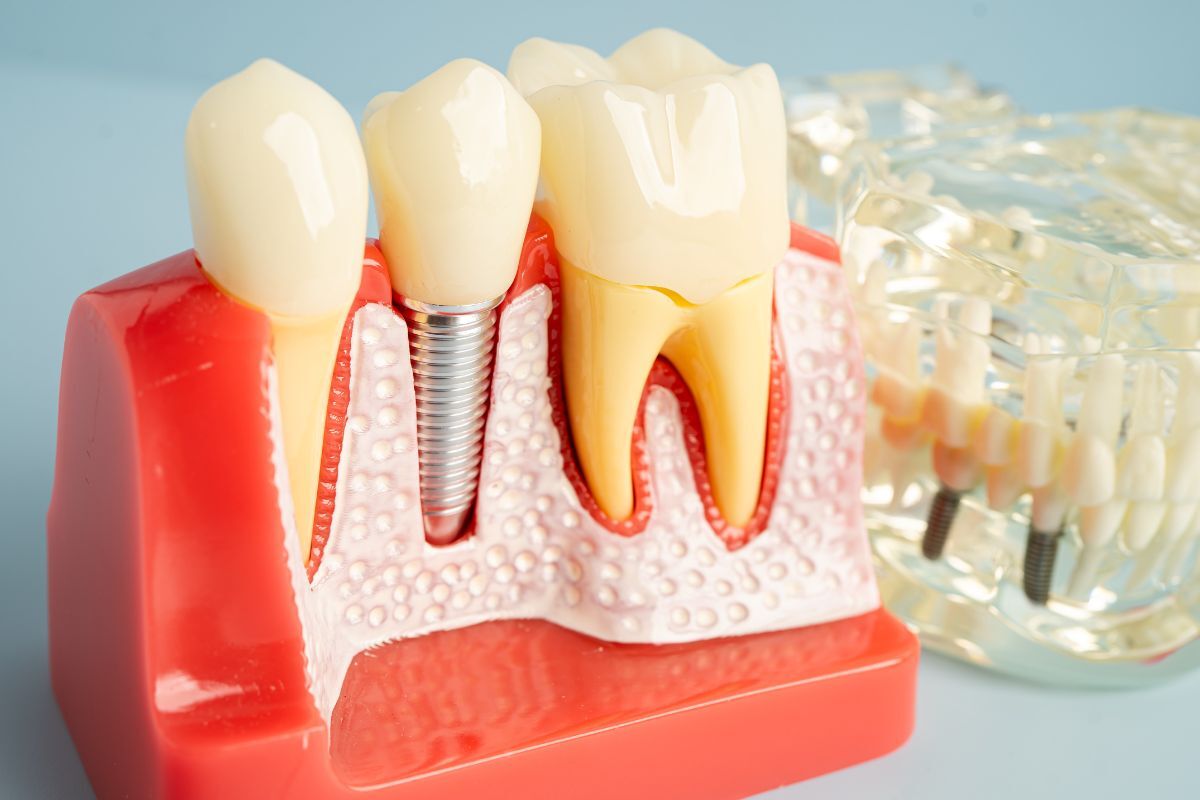
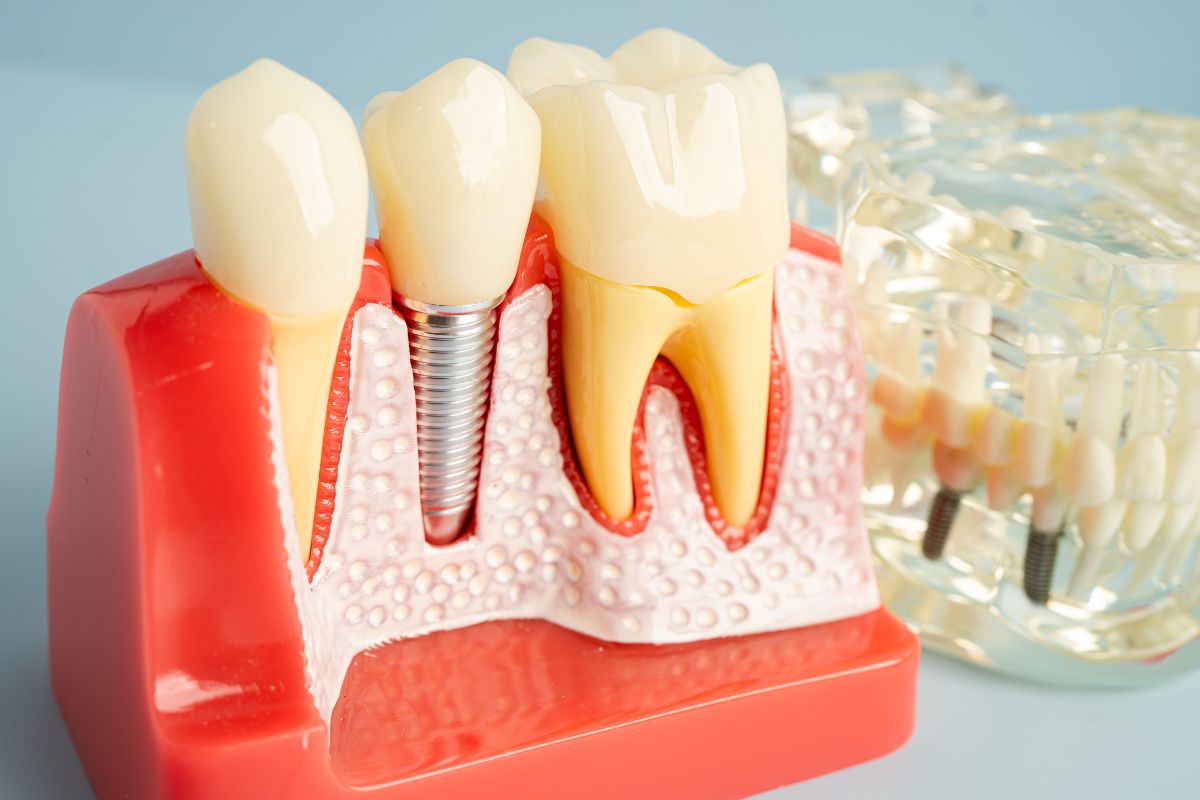
Implants stand out for their natural feel. They fuse with the jawbone, preventing bone loss. The dental implants procedure fits seamlessly into modern practices, using advanced tech for comfort.
Always consult a pro to pick the best fit. Factors like your health and lifestyle play a role.
Restoring alignment is key if shifting has occurred. They work well alongside other treatments.
Steps to Take for a Healthier Smile
Start with a check-up to assess the damage. X-rays reveal bone health and shifts. From there, a plan takes shape.
Home care helps in the meantime. Brush twice daily and floss around gaps. This curbs bacteria buildup.
Lifestyle tweaks matter too. Quit habits that harm teeth, like grinding. A balanced diet supports oral strength.
Finding the Right Expert Nearby
Talking to our restorative dentist in Hewlett, NY, makes the process straightforward. They bring local know-how and a friendly approach. You’ll get tailored advice in a welcoming setting.
Their experience covers various cases, from single gaps to more. It’s all about rebuilding confidence through proven methods.
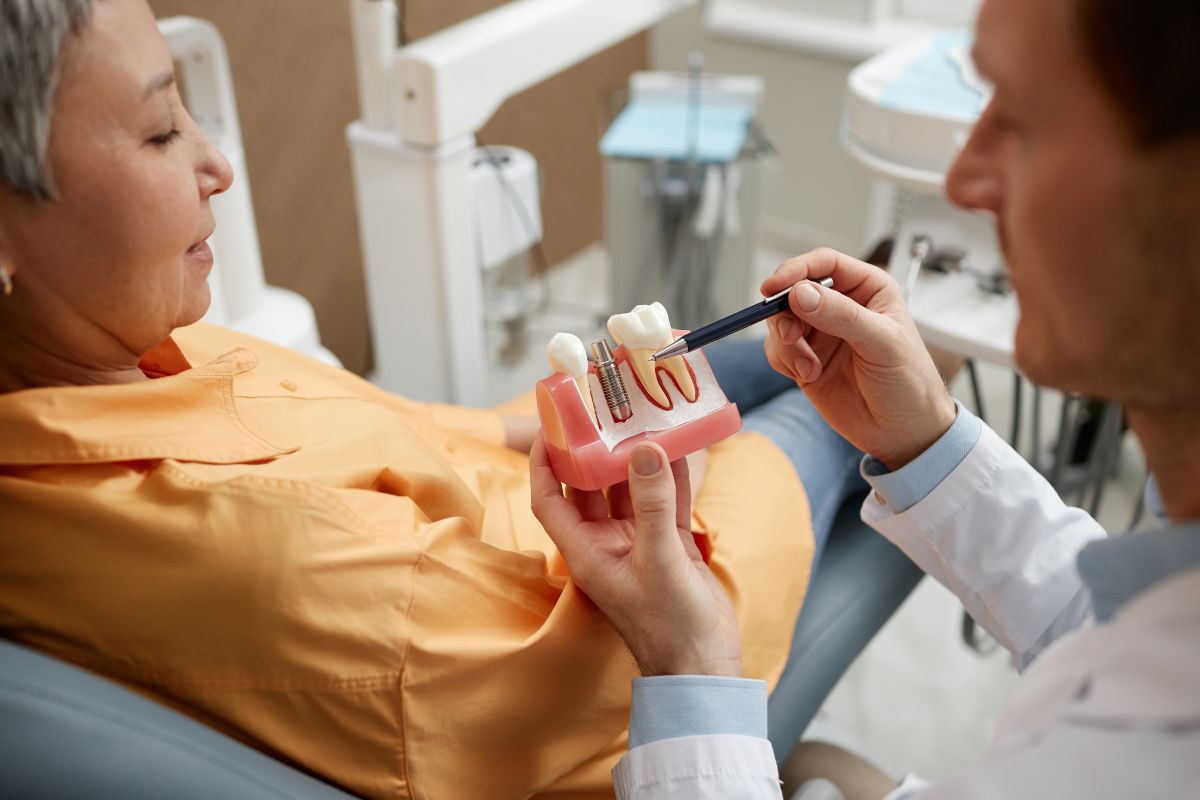
Expect a chat that feels like a conversation, not a lecture. They’ll explain options clearly, answering your questions.
Wrapping It Up: Don’t Wait Any Longer
Delaying tooth replacement might seem harmless, but the effects build up quietly. From bone changes to daily struggles, the toll is real. Taking action now preserves your health and happiness. Ready to move forward? Schedule an appointment today to explore your options and reclaim your full smile.