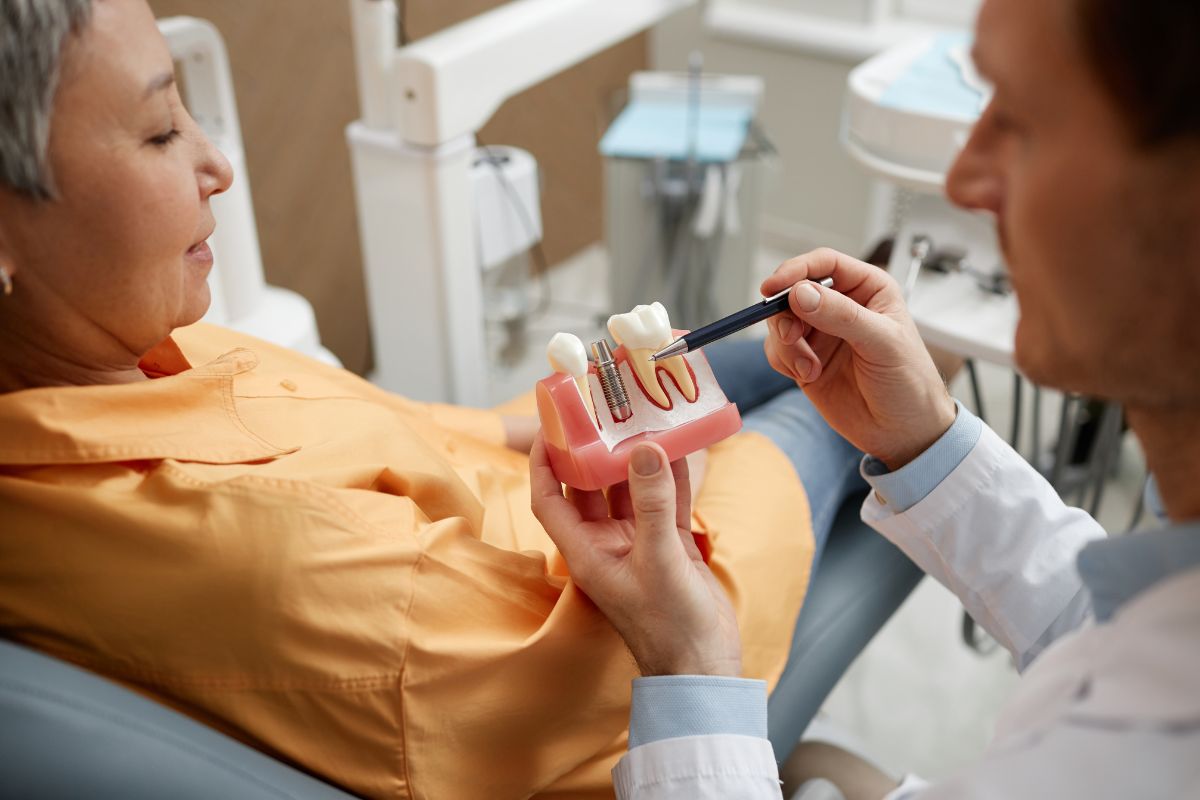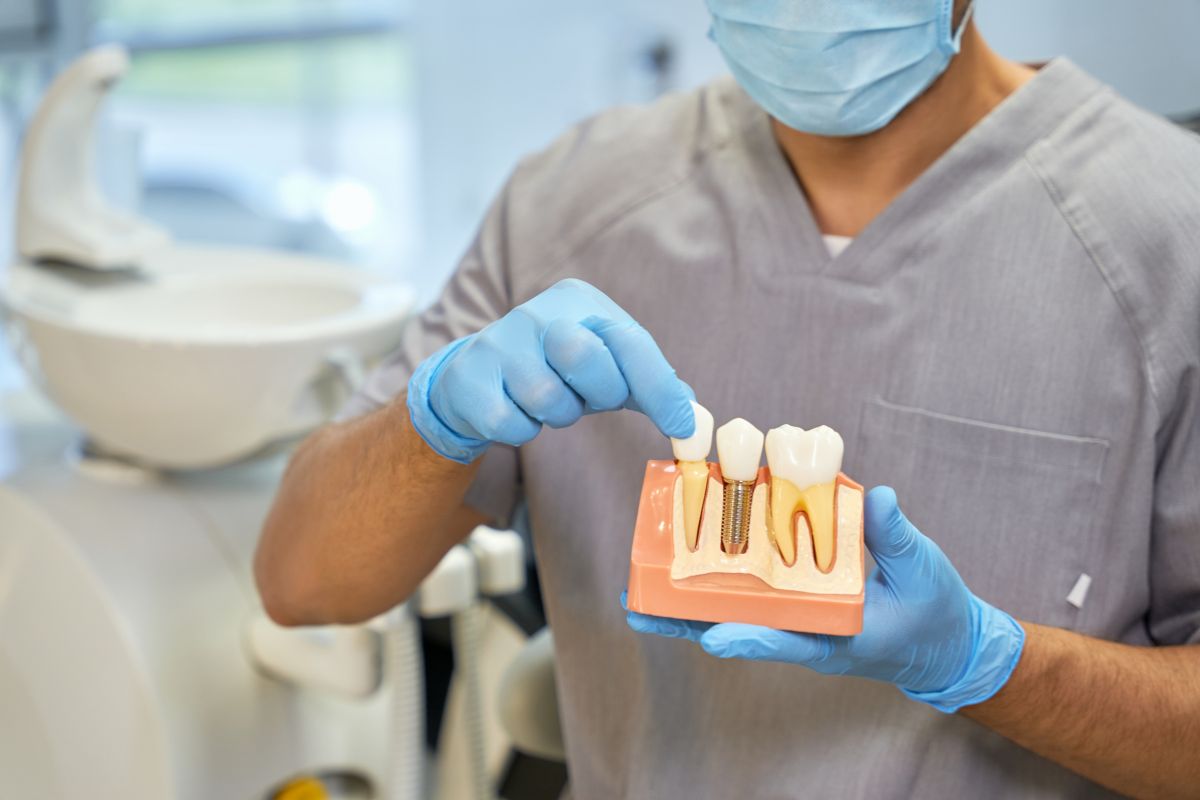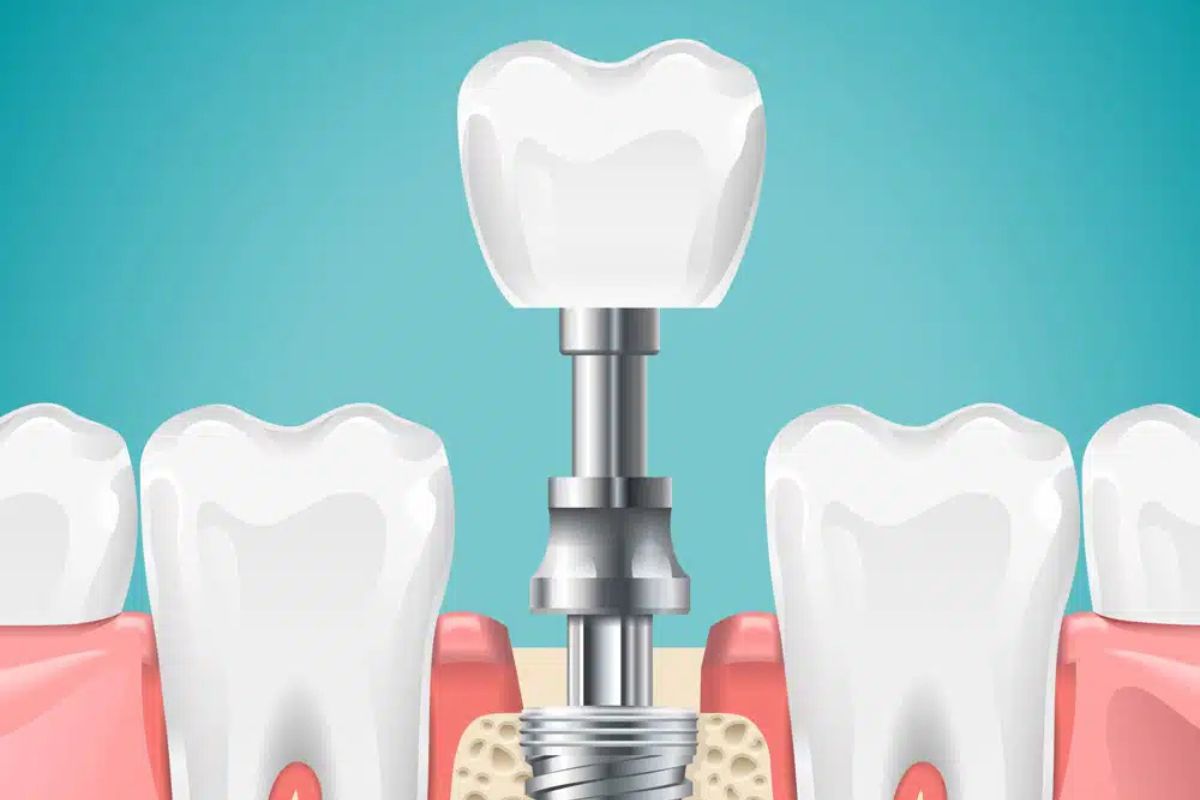
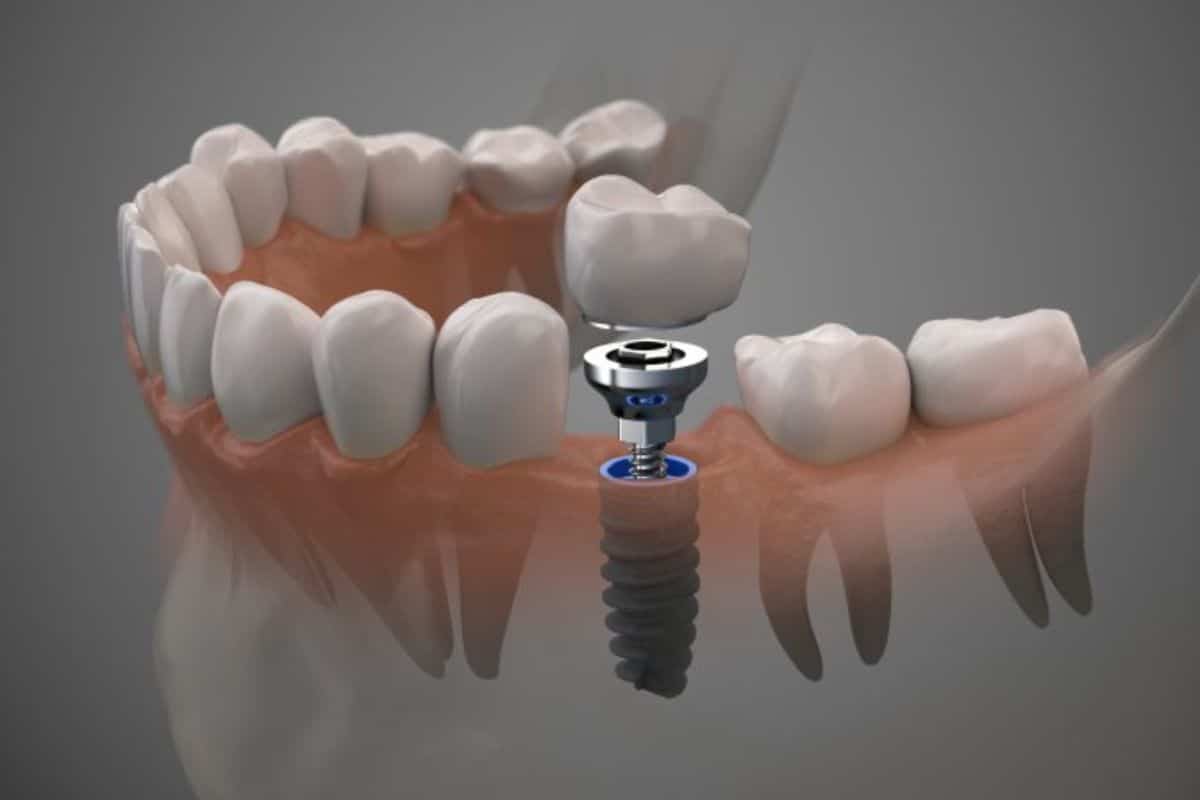
One common and dependable way to replace lost teeth is with dental implants. However, like any dental procedure, emergencies can occasionally arise. Knowing how to respond to these circumstances can help you save time, lessen discomfort, and safeguard your oral health. Here are some frequently asked questions (FAQs) about dental implant emergencies and what to do if you experience one.
What Are the Signs of a Dental Implant Emergency?
Although dental implants are meant to last, problems can nevertheless arise. Common signs of an implant emergency include:
- Severe or sudden pain around the implant site
- Loose or shifting implants
- Swelling or infection in the gums
- Bleeding that doesn’t stop
- Cracked or fractured prosthetic crowns
If you experience any of these symptoms, it’s crucial to contact a dentist in Hewlett immediately for assessment and care. Prompt attention can prevent complications and ensure your implant remains intact.
What Should I Do if My Implant Feels Loose?
A loose implant can indicate a serious problem, such as bone loss or an infection called peri-implantitis. It can also occur if the implant does not fully integrate with the bone during the healing process.
Avoid biting on the side of your implant that feels loose, and make an appointment with your dentist immediately. Do not attempt to fix it yourself, as this can cause further damage. Early intervention may involve tightening the implant or addressing any underlying issues, ensuring a better outcome.
Can an Infection Around the Implant Be Treated?
Yes, infections around dental implants can be treated, especially when detected early. Pain, pus, redness, or swelling around the implant are indicators of infection. The treatment typically involves:
- Antibiotics to eliminate the infection
- Professional cleaning of the implant site
- Possible surgical intervention in severe cases
Preventing infections requires maintaining proper dental hygiene. Brush and floss regularly, and ensure routine visits to your dentist in Hewlett for professional cleanings.
What Happens if My Implant Crown Breaks?
Sometimes, wear and tear or trauma might cause the crown that is linked to your implant to chip or break. If this happens, do not panic. Contact your dentist for a replacement or repair. In most cases, the implant itself is not damaged, and only the crown will need attention.
In the meantime, avoid chewing on the broken crown and keep the area clean to prevent further complications.
How Can I Prevent Dental Implant Emergencies?
While some emergencies are unavoidable, many can be prevented with proper care. Here are a few tips:
- Avoid hard foods that can damage the implant or crown
- Wear a mouthguard if you grind your teeth or play sports
- Maintain excellent oral hygiene
- Visit your dentist regularly for check-ups and cleanings
Dental implants are a long-lasting solution, but they require care and attention. Being proactive and addressing issues promptly will help ensure the longevity of your implants.If you have concerns about dental implants in Hewlett, don’t hesitate to seek professional guidance. Early intervention is key to preserving your smile and maintaining optimal oral health.