
Dental implants are a widely recognized solution for tooth replacement, offering stability, durability, and a natural appearance. However, for patients with a history of pyorrhea (now commonly known as periodontitis), the decision to get dental implants may seem daunting. Periodontitis is a serious gum infection that can lead to the destruction of bone and soft tissues surrounding the teeth. The question many patients ask is: Are dental implants safe for those who have had periodontitis or pyorrhea?
At Smiles By Design in Hewlett, NY, we believe it’s essential to provide clarity on this issue to help you make an informed decision about your oral health.
What Is Pyorrhea or Periodontitis?
Periodontitis, previously known as pyorrhea, is one of the severe gum diseases. It affects the soft tissue and bone that support the teeth. In cases left untreated, there may be a loss of teeth. It occurs when plaque and tartar begin to collect in the gums, creating a bacterial infection in the gum; eventually, this infection is capable of destroying the bone that anchors your teeth, eventually causing you to lose them.
For patients who have experienced periodontitis in the past, oral health becomes a critical concern when considering restorative dental procedures, such as dental implants.
Can You Get Dental Implants After Having Periodontitis?
The short answer is yes, but there are considerations and precautions that need to be taken into account. Dental implants in Hewlett can still be successfully placed in patients with a history of periodontitis; however, this will rely on how well the patient’s gum and bone health now are.
1. Pre-Implant Gum Health Evaluation
Before receiving dental implant therapy, it is imperative to assess the condition of your gums. If your periodontitis is well-controlled and you’ve undergone appropriate treatment, you may still be a candidate for implants. Your dentist will assess whether the infection has been fully eradicated and ensure there’s no ongoing gum disease that could compromise the success of the implant.
2. Bone Density Matters
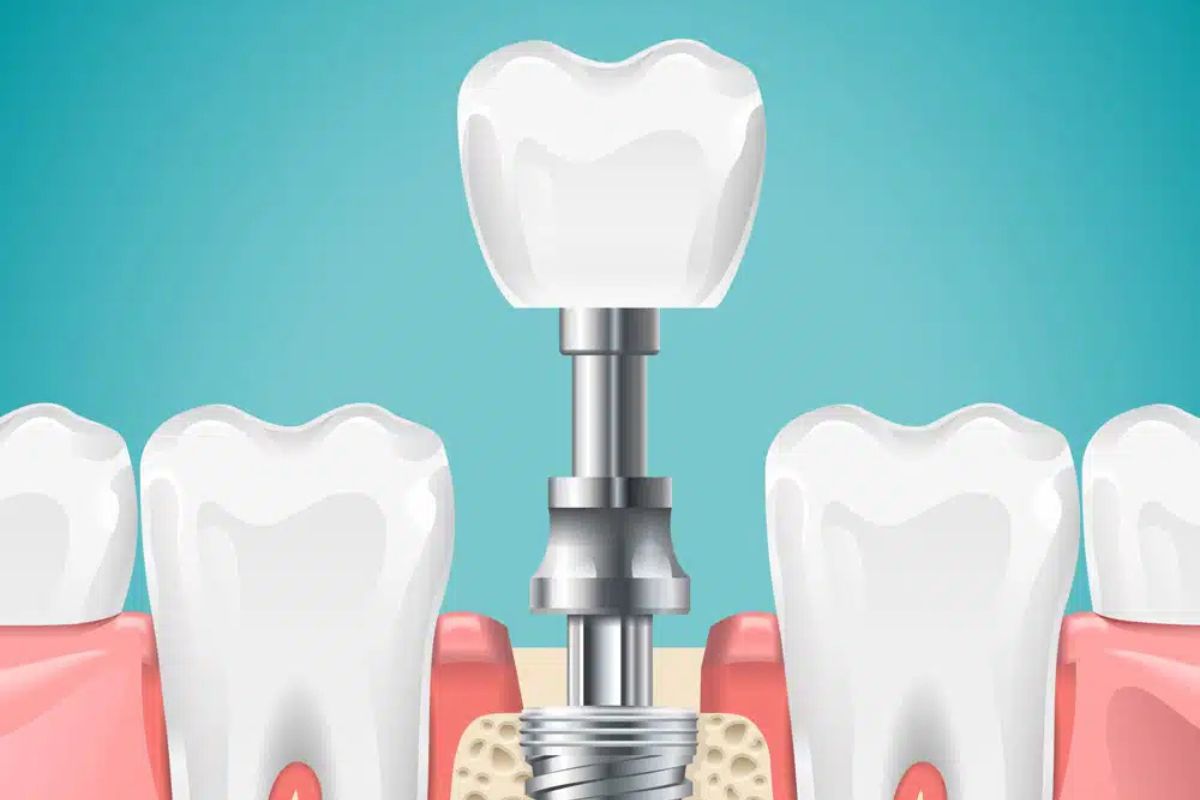
Since periodontitis causes bone loss, your dentist will also need to assess the density of your jawbone. Dental implants require a certain level of bone mass to anchor the titanium post securely. In cases where bone loss is severe, a bone graft may be necessary to rebuild the jawbone before the implant can be placed.
If sufficient bone remains after periodontitis treatment, your dentist can proceed with placing the implant. If bone grafting is necessary, the course of treatment will take longer, but the likelihood of a successful implant procedure is increased.
3. Maintaining Oral Hygiene Post-Implant
Patients who have had periodontitis must be vigilant about maintaining excellent oral hygiene after getting dental implants. Regular brushing, flossing, and professional cleanings are critical to preventing any recurrence of gum disease. Failure to maintain oral hygiene can lead to peri-implantitis, an infection that affects the tissue around the implant and can lead to implant failure.
At Smiles By Design, we guide patients on post-implant care to ensure long-term success, especially those with a history of gum disease.
What Precautions Should Be Taken?
1. Periodontal Treatment First
Prior to considering dental implants, you must have therapy if you presently have active periodontitis. In order to eradicate the infection and encourage gum repair, this therapy may involve deep cleaning (scaling and root planing), antibiotics, or surgery. Your dentist will only talk to you about dental implants if your gums are in good health.
2. Regular Monitoring
Patients with a history of periodontitis need more frequent checkups and cleanings. Your dentist may also inform you on the frequency of postoperative cleanings every three to four months for keeping your gums and implants healthy. It is therefore important to note the signs of gum disease at their earliest for further prevention of complications.
3. Customized Care Plan
Every patient is unique, and those with a past history of gum disease at Smiles By Design receive an individually developed care plan focused on fulfilling their needs. This will include personally tailored advice on oral hygiene, diet, and regular dental visits to assist in any issues concerning your implants and general oral health.
A patient with history of periodontitis can still have dental implants, and good care and precautions provided with a huge possibility of getting through the process with success. Gum disease could complicate an implant process, but it shouldn’t be a reason to dismiss the implants. Good oral hygiene and an evaluation before the implants will provide a preventive measure so that you can accrue the benefits of Hewlett dental implants.If you’re considering dental implants and have a history of periodontitis, don’t hesitate to contact us at Smiles By Design in Hewlett, NY. We’re committed to helping you achieve a healthy and beautiful smile, regardless of your dental history.