You bite into something crunchy and feel a sudden twinge. Or you spot a faint line on a tooth while brushing. Cracked teeth happen more often than most people realize. The thought of extensive dental work can feel overwhelming. Yet many cases allow effective repair without full crowns. Modern approaches focus on conserving your natural tooth while restoring strength and appearance. These options deliver lasting results and keep your smile intact.
Understanding What Causes Cracked Teeth
Several everyday habits contribute to tooth cracks. Biting hard items like ice, popcorn kernels, or pens creates sudden pressure. Nighttime teeth grinding adds repeated stress over time. Large existing fillings can weaken the surrounding enamel. Extreme temperature shifts from hot drinks to cold ones also play a role. Sports injuries or accidental trauma complete the list of common triggers. Recognizing these factors helps you take preventive steps.
Identifying Symptoms of a Cracked Tooth
Symptoms vary but often include sharp pain when chewing or releasing bite pressure. Sensitivity to hot, cold, or sweet foods appears frequently. You might notice mild swelling near the gum line. In some cases, cracks produce no obvious signs until they progress. Early awareness prevents complications. Regular dental checkups catch subtle issues before they worsen.
Different Types of Tooth Cracks
Dentists classify cracks by depth and location. Craze lines stay superficial in the enamel and rarely need intervention. Fractured cusps affect the chewing surface and respond well to simpler repairs. A true cracked tooth extends from the crown toward the root and requires careful assessment. Split teeth are divided into separate segments and may need more advanced care. Vertical root fractures start at the root and often prove hardest to save. Proper diagnosis guides the best treatment path.
Why Crowns Are Commonly Recommended
Crowns offer complete coverage for severely compromised teeth. They protect against further splitting and restore full function. Yet they require more tooth reduction than some alternatives. For minor to moderate cracks, less invasive methods often suffice. These preserve a more natural structure and support long-term tooth health.
Effective Alternatives to Dental Crowns
Conservative treatments restore cracked teeth successfully in many situations. Dental bonding stands out as a quick, effective choice for smaller cracks. Dentists apply tooth-colored resin to seal the fracture and reshape the tooth in one visit. The material bonds strongly and blends seamlessly with your natural enamel. This approach works especially well for front teeth or minor damage.
Inlays and onlays provide another strong option. These custom restorations fit precisely into or onto the damaged area. They reinforce the tooth while removing far less healthy structure than a crown would. Biomimetic techniques further enhance these repairs by mimicking natural tooth properties.
The Promise of Veneers for Cracked Teeth
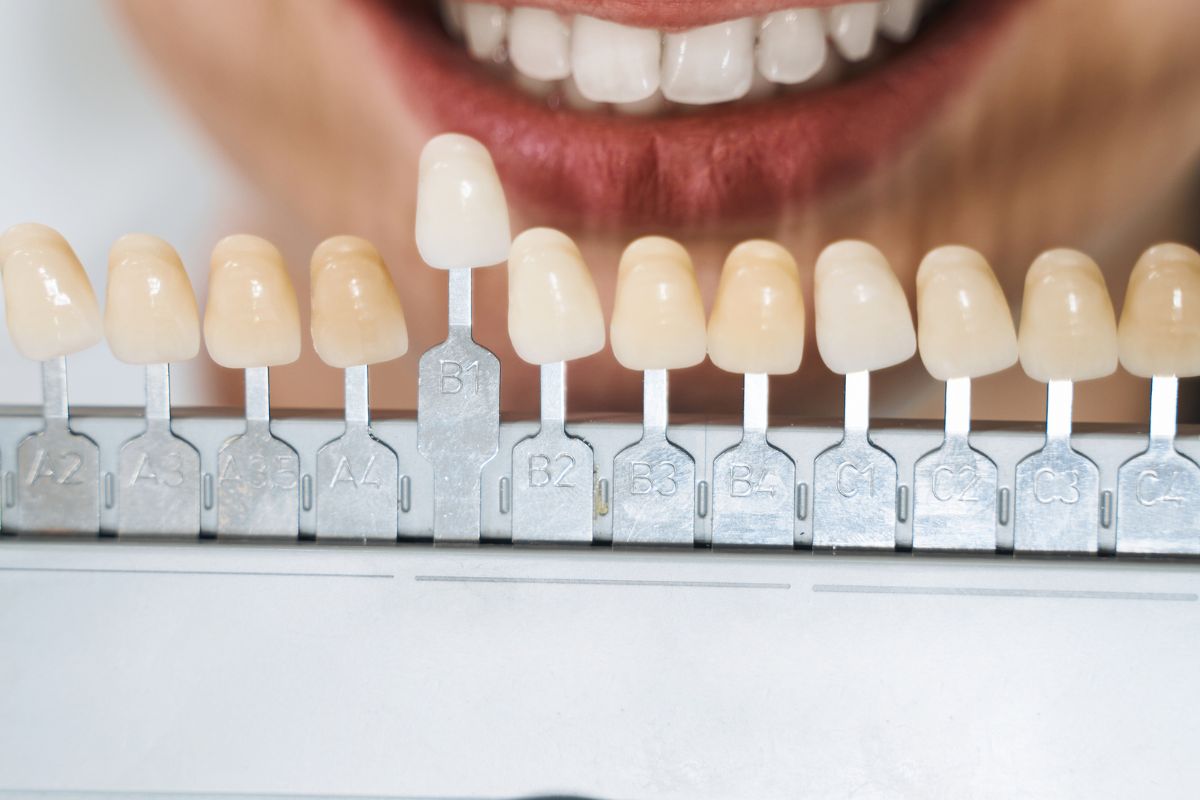
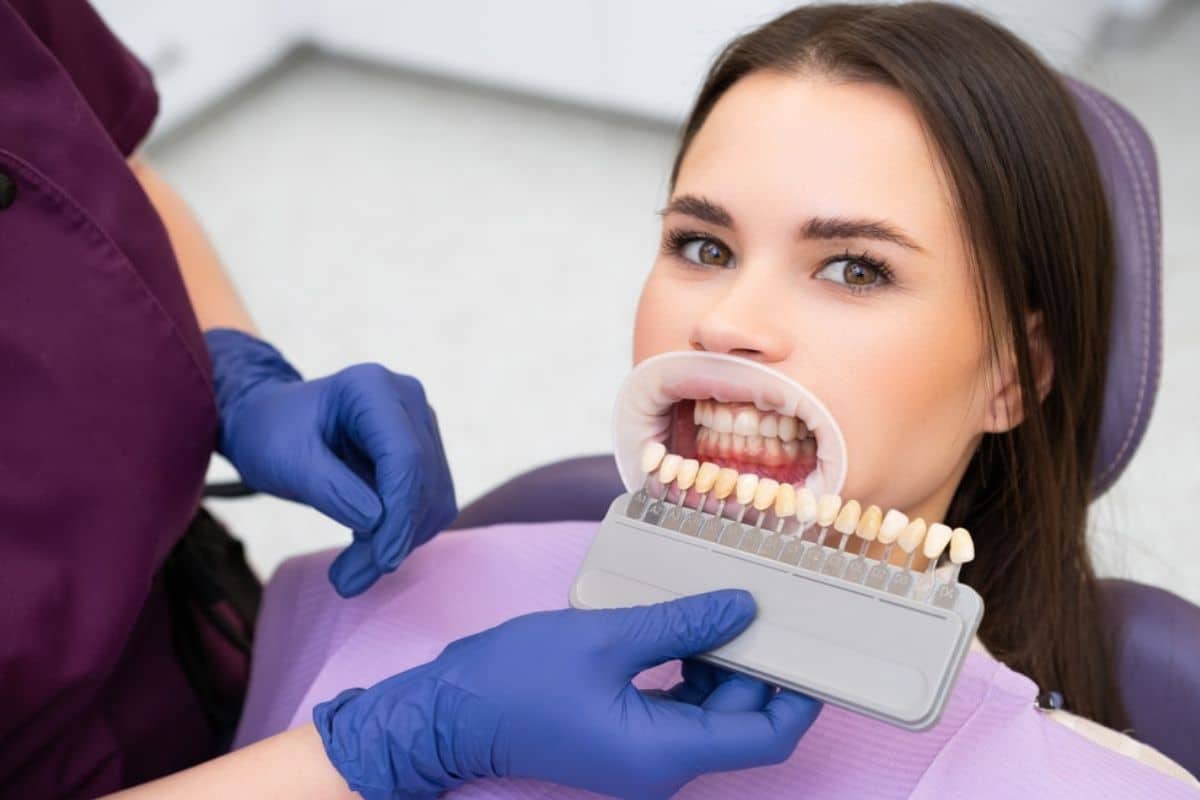
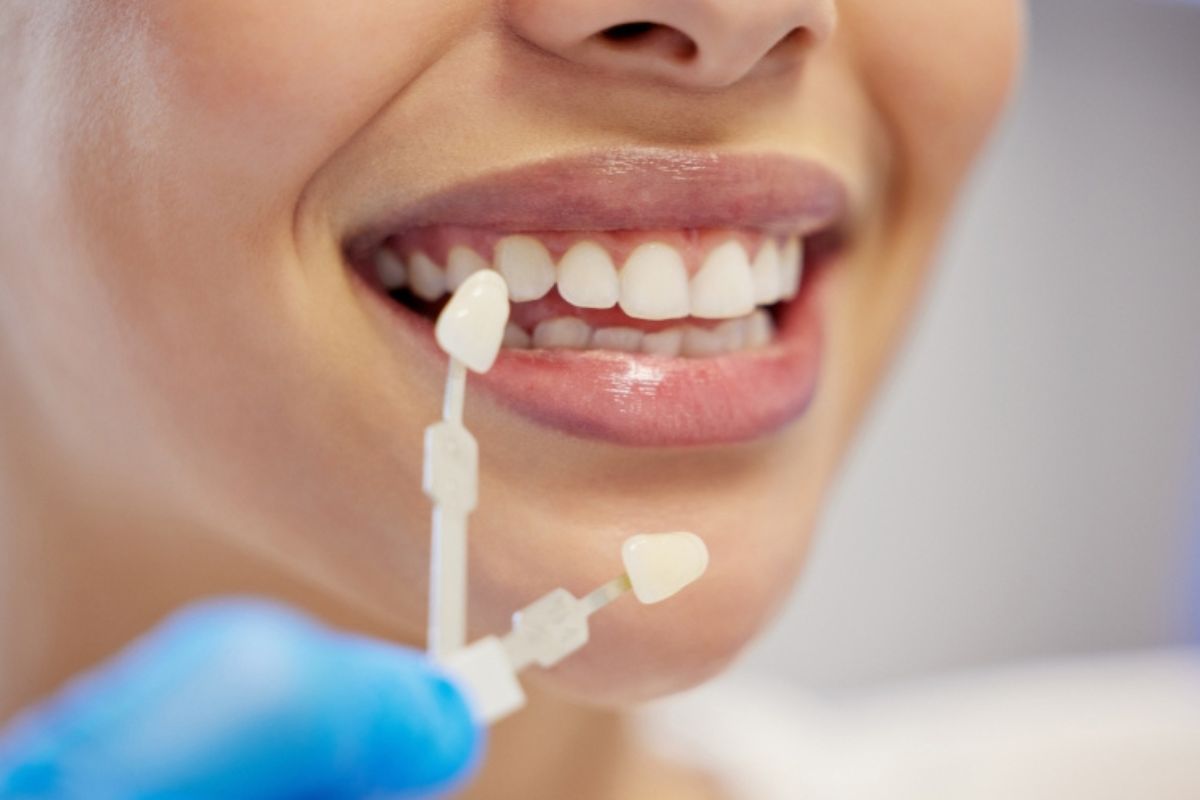
Veneers deliver excellent results for visible cracks, particularly on front teeth. These thin shells cover the tooth surface to hide imperfections and add protection. The process involves minimal enamel preparation followed by precise placement. Patients interested in our veneers procedure in Hewlett, NY, appreciate the natural-looking transformation it provides. Veneers improve both aesthetics and durability without extensive reshaping.
The procedure starts with a detailed consultation and impressions. Technicians craft each veneer to match your smile perfectly. During placement, dentists bond the veneers securely for a seamless fit. This method addresses cracks while enhancing overall tooth appearance and alignment.
Benefits of Non-Crown Treatments
These alternatives remove less natural tooth material. Procedures are often completed in fewer visits with quicker recovery. Results look incredibly natural and resist staining well. Maintenance stays simple through regular brushing and flossing. Most importantly, they support pulp health and reduce future complications. You keep more of your original tooth for years of reliable use.
Important Considerations Before Treatment
Crack severity and location determine the ideal approach. Early intervention improves outcomes dramatically. Advanced imaging helps dentists assess depth accurately. Your overall oral health and bite alignment also factor into decisions. An open discussion with your dentist ensures the chosen method fits your needs perfectly.
Trending FAQs
Here are answers to common questions about cracked teeth and their repair:
- Can a cracked tooth heal on its own? No. Teeth lack the ability to regenerate like bones. Professional treatment prevents the crack from spreading or causing infection.
- What are the main symptoms of a cracked tooth? Pain when biting, sensitivity to temperatures, or erratic discomfort often signal a crack. Visible lines or swelling may appear in some cases.
- How do dentists diagnose a cracked tooth? They use visual exams, special dyes, biting tests, and imaging to locate and evaluate the crack’s extent.
- Is dental bonding a good option for cracked teeth? Yes, for minor surface cracks and chips. It offers a fast, conservative repair with excellent cosmetic results.
- Can veneers fix a cracked tooth? Absolutely, especially for front teeth. They cover and protect the crack while improving smile aesthetics.
- What happens if a cracked tooth goes untreated? The crack can deepen, reach the pulp, cause infection, or lead to tooth loss. Early care avoids these risks.
- How can I prevent future cracked teeth? Avoid chewing hard objects, manage grinding with a nightguard, and attend regular dental visits for early detection.
| Treatment Option | Best For | Key Benefits | Tooth Structure Preserved |
|---|---|---|---|
| Dental Bonding | Minor cracks, chips | Quick, one-visit, natural look | High |
| Veneers | Front teeth, aesthetics | Covers cracks, enhances smile | Moderate to High |
| Inlays/Onlays | Larger but with partial damage | Strong reinforcement | High |
| Crowns | Severe structural issues | Full protection | Lower |
This comparison highlights how options vary based on your specific situation.
Taking care of cracked teeth promptly protects your long-term oral health. Modern techniques offer effective ways to restore comfort and confidence without always turning to crowns. If you are searching for a reliable cosmetic dentist near you, a personalized consultation can reveal the ideal path forward for your smile.
Cracked teeth no longer mean limited choices or major procedures. With conservative options available, you can address the issue effectively while keeping your natural teeth strong and beautiful. Act today to prevent small problems from growing larger. Your future smile will thank you for the thoughtful care you provide now.