
If your dentist has recommended an inlay or onlay, you may be wondering exactly what to expect. Understanding what happens during your inlay or onlay procedure — and how the team keeps you comfortable throughout — can ease any anxiety you feel. At Smiles By Design in Hewlett, NY, Dr. Ron Kaminer guides every patient through this process with care and clarity. This comfort-focused guide walks you through each stage so you can feel confident before you even sit in the chair.
What Are Inlays and Onlays, and Why Might You Need One?
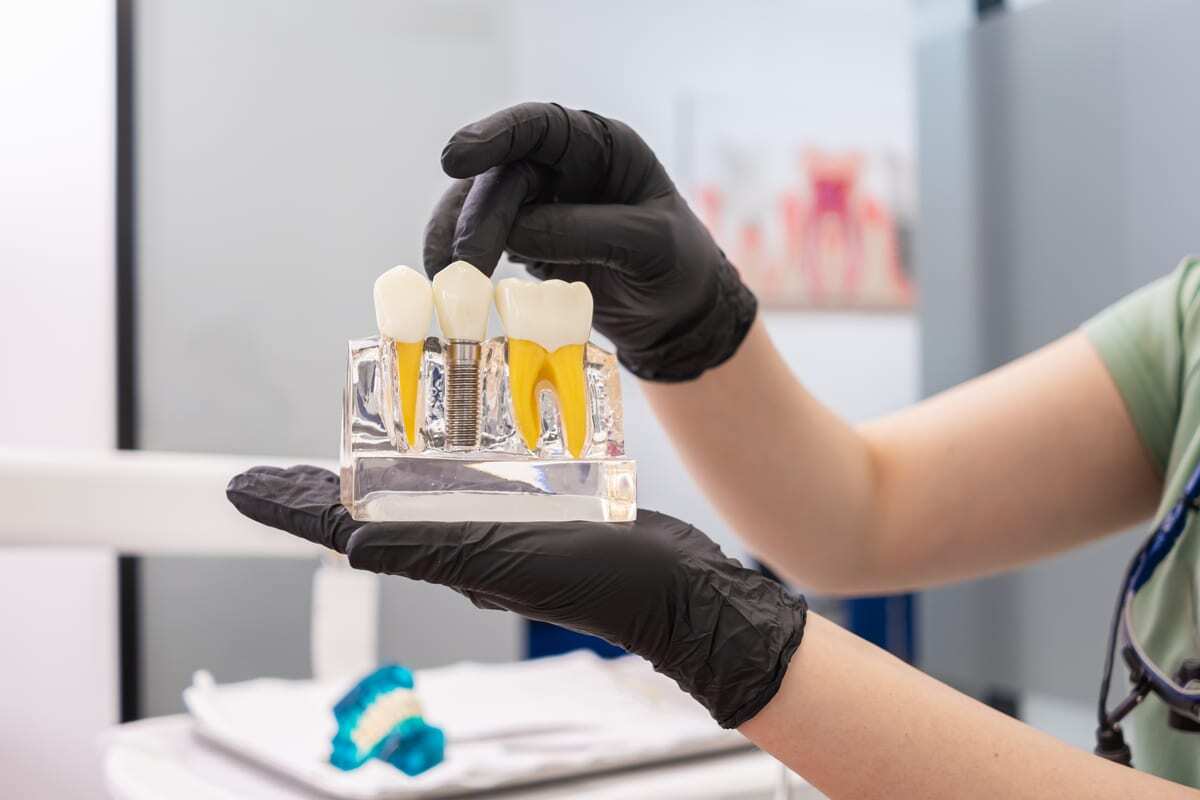
Inlays and onlays are custom-made dental restorations. They repair teeth that have too much damage for a filling but not enough to need a full Dental Crowns Bridges Hewlett restoration. An inlay fits within the cusps of a tooth. An onlay extends over one or more cusps to cover a larger damaged area.
Patients in Hewlett often need these restorations after a large cavity or cracked tooth. They are also used to replace old, failing metal fillings. The result is a strong, natural-looking repair that preserves as much healthy tooth structure as possible.
Common reasons Dr. Kaminer recommends inlays or onlays include:
- A cavity too large for a standard filling
- A cracked or fractured tooth cusp
- A worn tooth surface from grinding
- An old metal filling that has broken down
- A tooth needing extra strength without a full crown
Your First Appointment: Comfort-Focused Preparation in Hewlett
The inlay or onlay process typically begins with a consultation and preparation visit. Dr. Kaminer starts by thoroughly examining your tooth and taking digital X-rays. This helps him map out exactly how much repair your tooth needs.
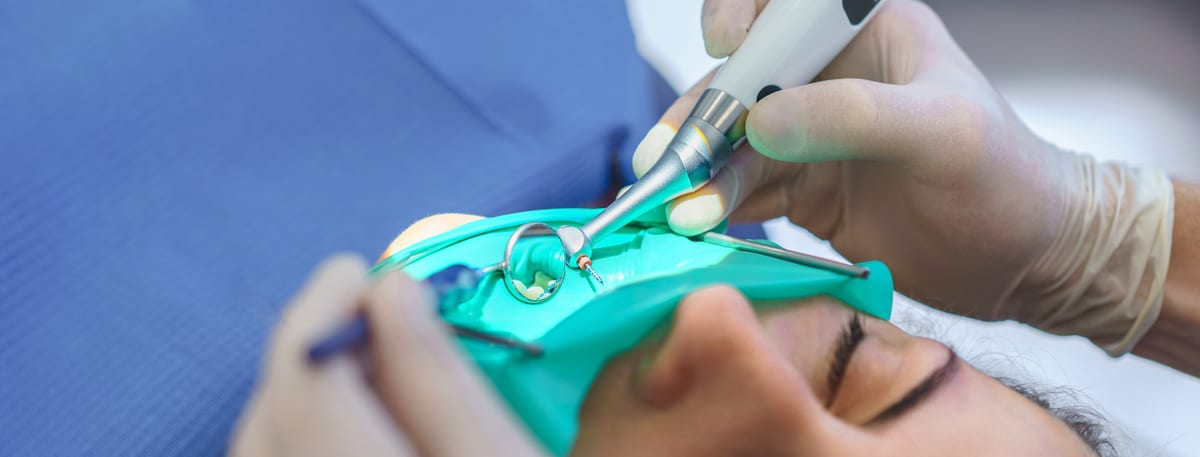
Next, the team administers a local anesthetic to numb the area completely. Most patients feel only a brief pinch during this step. Dr. Kaminer takes his time here — he wants you fully comfortable before anything else continues.
Once you are numb, he gently removes the damaged or decayed portion of the tooth. You will feel pressure but no pain during this stage. The preparation is designed to create a clean, precise space for your custom restoration.
After shaping the tooth, the team takes a detailed impression. This impression is sent to a dental laboratory where skilled technicians craft your inlay or onlay. A temporary restoration protects your tooth between appointments.
What to Expect During Your Second Visit: Placement and Fitting
Your second visit is when the finished restoration gets placed. Most patients find this appointment quicker and more straightforward than the first. Here is what happens step by step:
- Anesthetic application: The team numbs the area again for your comfort.
- Temporary removal: Dr. Kaminer carefully removes the temporary covering.
- Cleaning and preparation: The tooth surface is cleaned and conditioned.
- Trial fitting: The inlay or onlay is placed on the tooth to check the fit and bite.
- Adjustments: Minor shaping ensures the restoration aligns perfectly with your bite.
- Bonding: The restoration is secured with a strong dental adhesive and hardened with a curing light.
- Final polish: Dr. Kaminer smooths and polishes the surface for a natural finish.
The entire placement visit usually takes under an hour. Most patients leave the office feeling very little discomfort. Any mild sensitivity after the anesthetic wears off typically fades within a day or two.
How Smiles By Design Keeps You Comfortable Throughout the Process
Comfort is not an afterthought at Smiles By Design — it is built into every step. Dr. Kaminer and his team in Hewlett use a calm, patient-centered approach from start to finish. They explain each step before it happens so you never feel surprised or left in the dark.
The practice uses modern anesthetic techniques that minimize discomfort during injections. Patients who experience dental anxiety are encouraged to communicate openly with the team. Solutions like nitrous oxide can be discussed to help you relax during your visit.
The dental chairs, lighting, and equipment are all designed with patient ease in mind. You are welcome to ask questions at any point during your appointment. The team genuinely values making your experience as pleasant as possible.
After your procedure, Dr. Kaminer provides clear aftercare instructions. These help you protect your new restoration and stay comfortable during recovery. Follow-up is always available if you have questions once you are home.
How Inlays and Onlays Compare to Other Restorations
It helps to understand where inlays and onlays fit among your dental options. They occupy a middle ground between fillings and crowns. Unlike fillings, they are fabricated outside the mouth for a precise, durable fit. Unlike full crowns, they preserve more of your natural tooth structure.
Some patients also ask about Dental Implants Hewlett when a tooth is severely damaged. Implants replace a missing tooth entirely. Inlays and onlays, by contrast, restore and save a tooth that is still structurally viable.
Key benefits of choosing an inlay or onlay include:
- Long-lasting durability — often 10 to 30 years with good care
- Natural appearance that blends with surrounding teeth
- Stronger than a traditional filling for large cavities
- Less tooth reduction than a full crown requires
- Resistance to staining, especially with porcelain materials
- Easy to clean with regular brushing and flossing
Dr. Kaminer helps each patient understand which restoration makes the most sense for their specific situation. The goal is always to protect your long-term oral health while keeping you comfortable and informed.
Taking the Next Step with Dr. Kaminer in Hewlett, NY
Now that you understand what happens during your inlay or onlay procedure, taking action feels much easier. The process is straightforward, manageable, and designed around your comfort at every stage. Dr. Kaminer and the Smiles By Design team are here to answer every question you have before, during, and after your visit.
Hewlett patients trust this practice for its clear communication, gentle technique, and lasting results. Whether you are dealing with a large cavity, a broken tooth, or an aging metal filling, an inlay or onlay could be the ideal solution. Book Now to schedule your appointment with our team.
Frequently Asked Questions
How long does the inlay or onlay procedure take in total?
Most patients complete the process in two appointments. The first visit for preparation usually takes 60 to 90 minutes. The second placement visit is often under an hour. The total time depends on the complexity of your individual case.
Will I feel pain during the inlay or onlay procedure?
Dr. Kaminer uses local anesthetic to numb the treatment area fully before starting. You may feel pressure or vibration, but pain is not expected. Any mild soreness after the procedure typically resolves within a day or two. The team at Smiles By Design prioritizes your comfort at every step.
How do I care for my inlay or onlay after the procedure?
Caring for an inlay or onlay is simple. Brush twice daily and floss once a day just as you normally would. Avoid chewing very hard foods immediately after placement while tenderness settles. Attend regular dental check-ups so Dr. Kaminer can monitor the restoration over time.
How long do inlays and onlays last?
With proper oral hygiene and regular dental visits, inlays and onlays can last 10 to 30 years. Porcelain and composite resin options are both highly durable. The longevity of your restoration also depends on bite habits and how well you maintain your teeth at home.
Is an inlay or onlay better than a filling for a large cavity?
For larger cavities, an inlay or onlay is often the stronger choice. Traditional fillings can weaken a tooth when they occupy a large portion of its structure. Inlays and onlays are custom-fabricated for a precise fit, which distributes biting forces more effectively. Dr. Kaminer will recommend the best option based on your individual tooth condition.