If you have a missing tooth, a dental bridge can restore your smile, your bite, and your confidence. Many patients in Hewlett, NY feel nervous before their first appointment. Understanding what happens during your dental bridge procedure — a comfort-first walkthrough — can ease those worries significantly. Dr. Ron Kaminer and the team at Smiles By Design are committed to making every step feel manageable and stress-free.
Step One: Your Initial Consultation and Planning in Hewlett
Every bridge procedure begins with a thorough consultation. Dr. Kaminer examines your teeth, gums, and jaw to assess your oral health. He uses X-rays to evaluate bone density and the health of surrounding teeth. This information helps him design a bridge that fits perfectly and lasts long-term.
During this visit, you and Dr. Kaminer discuss your goals and concerns openly. He explains which teeth will serve as abutments — the anchors on either side of the gap. You also learn about materials, timelines, and what to expect at each stage. Patients leave this appointment feeling informed and prepared.
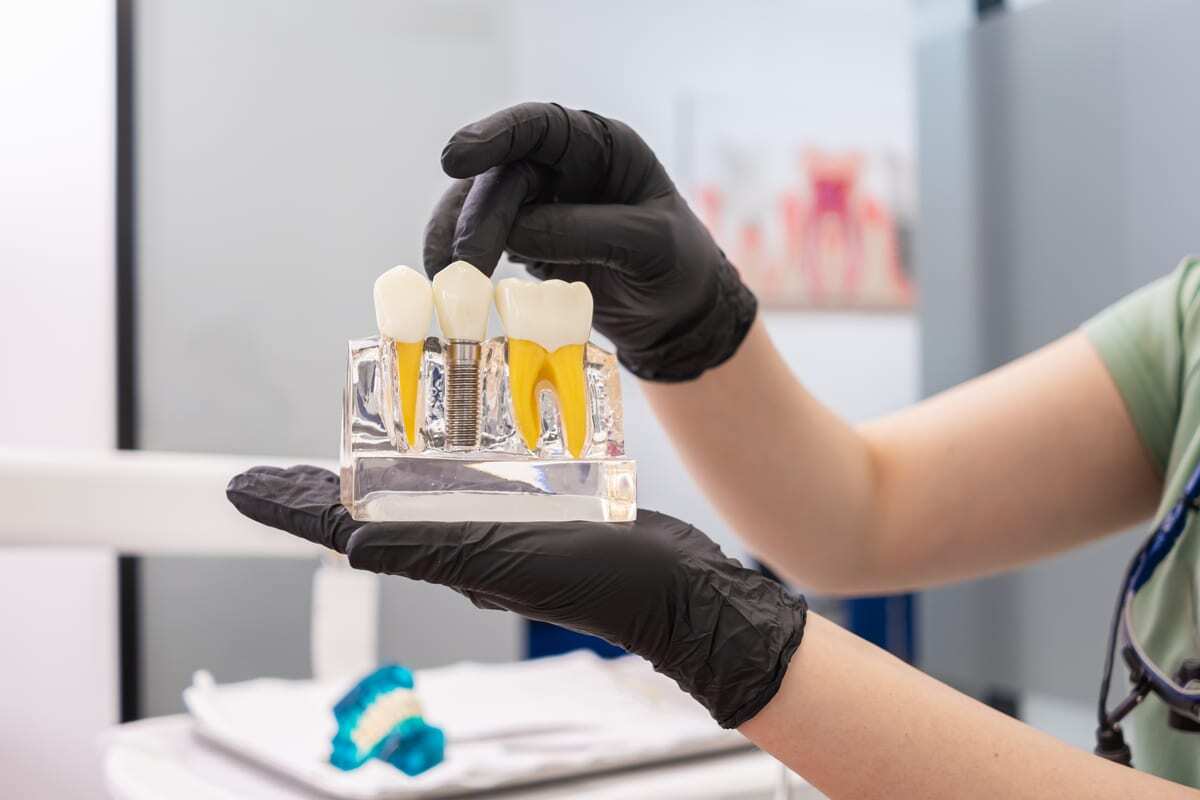
If you are weighing all your tooth-replacement options, it helps to explore Dental Implants Hewlett as a comparison point. Bridges and implants both restore missing teeth, but through different approaches. Dr. Kaminer helps you choose based on your bone structure, budget, and lifestyle. There is no pressure — only honest guidance.
Step Two: Preparing the Abutment Teeth Comfortably
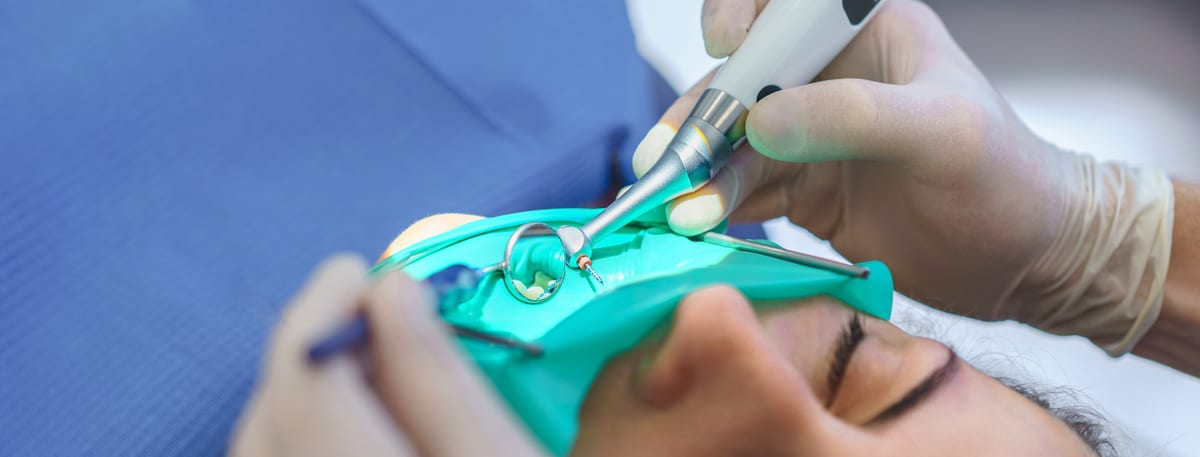
The second appointment focuses on preparing the anchor teeth. Dr. Kaminer first applies a local anesthetic to numb the area completely. Most patients feel only mild pressure — not pain — during this stage. The team checks in with you frequently to ensure you are comfortable throughout.
Once the area is numb, Dr. Kaminer reshapes the abutment teeth slightly. This creates room for the crowns that will hold the bridge in place. The reshaping is precise and controlled, removing only the necessary amount of enamel. You will not feel discomfort during this part of the process.
After reshaping, the team takes impressions of your teeth. These impressions go to a dental lab, where technicians craft your custom bridge. At Smiles By Design, precision at this step ensures a natural-looking, well-fitting final result. A temporary bridge is placed to protect your teeth while you wait.
What to Expect Between Appointments
Most patients return for their final appointment within two to three weeks. During this time, the temporary bridge protects the prepared teeth. You can eat and speak normally, though soft foods are recommended. Some mild sensitivity around the abutment teeth is normal and temporary.
Here is what the team advises patients to keep in mind during the waiting period:
- Brush gently around the temporary bridge twice daily
- Avoid sticky or hard foods that could dislodge the temporary
- Use a soft-bristle toothbrush to protect the gum line
- Contact the office if you notice unusual pain or looseness
- Rinse with warm salt water if mild soreness develops
Most patients find this waiting period straightforward. The temporary bridge looks and functions reasonably well. It gives you a preview of life with a complete smile again. Dr. Kaminer’s team is always available to answer questions between visits.
Step Three: Placing Your Permanent Dental Bridge
Your final appointment is when everything comes together. Dr. Kaminer removes the temporary bridge and cleans the abutment teeth thoroughly. He then tries in your permanent Dental Crowns Bridges Hewlett restoration to check the fit and color. Adjustments are made chairside until everything looks and feels exactly right.
Local anesthetic is available again if needed, though many patients do not require it. Cementing the bridge is a quick and comfortable process. Dr. Kaminer checks your bite carefully using special paper that shows pressure points. Any minor adjustments are made immediately so you leave with a perfect, comfortable fit.
Here is a summary of what the placement appointment involves:
- Removal of the temporary bridge
- Cleaning and preparing the abutment teeth
- Try-in of the permanent bridge for fit and aesthetics
- Bite check and any necessary micro-adjustments
- Permanent cementation of the bridge
- Final bite verification and patient review
The entire placement visit typically takes about 60 to 90 minutes. You leave with a fully restored smile the same day. Most patients are pleasantly surprised by how smooth the process feels. Dr. Kaminer takes time to answer any last questions before you go.
Recovery, Comfort, and Long-Term Care After Your Bridge
Recovery after a dental bridge placement is generally mild. Some patients notice slight sensitivity to hot and cold for a few days. Over-the-counter pain relievers manage any discomfort effectively. Most people return to normal activities the same day.
Caring for your bridge properly extends its lifespan significantly. Dr. Kaminer recommends the following daily habits:
- Brush twice daily with a soft-bristle toothbrush
- Use floss threaders or interdental brushes beneath the bridge
- Rinse with an antibacterial mouthwash each evening
- Attend regular check-ups and cleanings at Smiles By Design
A well-maintained dental bridge can last 10 to 15 years or longer. The team at Smiles By Design in Hewlett schedules follow-up visits to monitor the bridge and surrounding gum tissue. Early detection of any issues keeps your restoration performing at its best. Consistent care is the simplest way to protect your investment.
Conclusion: You Are in Good Hands at Smiles By Design
Understanding what happens during your dental bridge procedure makes the entire experience far less intimidating. Dr. Ron Kaminer and his team in Hewlett, NY prioritize your comfort at every single stage. From the first consultation to the final placement, you are guided, informed, and cared for. A restored smile is closer than you think. Book Now to schedule your appointment with our team.
Frequently Asked Questions
Does getting a dental bridge hurt?
Most patients experience very little discomfort during the procedure. Dr. Kaminer uses local anesthetic to numb the area before preparing the abutment teeth. You may feel mild pressure, but pain is rare. Any post-procedure sensitivity is typically minor and resolves within a few days.
How long does the entire dental bridge process take?
The process usually involves two main appointments spread two to three weeks apart. The first appointment covers preparation and impressions. The second involves placing your permanent bridge. Each visit typically lasts between 60 and 90 minutes.
How do I clean under my dental bridge?
Standard floss cannot easily reach beneath a bridge. Dr. Kaminer recommends using floss threaders, water flossers, or small interdental brushes. These tools clean the area under the pontic — the false tooth — effectively. Regular cleaning prevents gum disease and extends bridge life.
What is the difference between a dental bridge and a dental implant?
A dental bridge uses adjacent natural teeth as anchors to support an artificial tooth. A dental implant is a titanium post surgically placed in the jawbone. Bridges do not require surgery and are often completed faster. Dr. Kaminer helps patients choose the best option based on their individual needs.
How long will my dental bridge last?
With proper care, a dental bridge typically lasts between 10 and 15 years. Some bridges last even longer with excellent oral hygiene and regular dental visits. Avoiding hard foods and grinding habits also extends bridge longevity. Routine check-ups at Smiles By Design help catch any issues early.