Many folks notice their teeth turning yellow over time and wonder if a quick whitening session can turn back the clock for good. Yellowing happens from everyday habits like coffee, tea, or even aging, leaving you self-conscious about your smile. But understanding the real story behind whitening can help you make smarter choices for a brighter look that lasts.
Understanding Yellow Teeth Causes
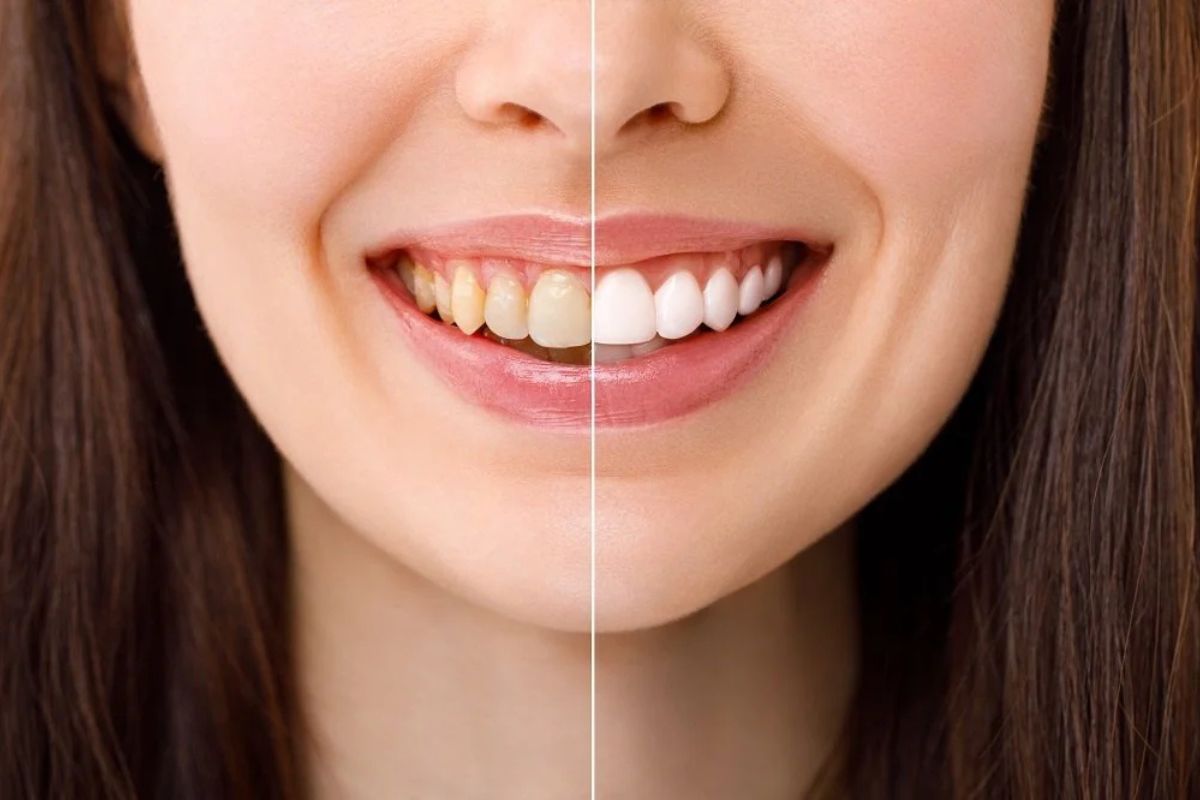
Yellow teeth often stem from surface stains or deeper issues. Foods and drinks like berries, red wine, and soda leave marks on enamel. Smoking adds tar and nicotine buildup. As we age, enamel thins, revealing the yellowish dentin below.
Certain meds, like antibiotics, can cause intrinsic stains from within. Poor brushing lets plaque harden into tartar, worsening the hue. Genetics play a role too—some people naturally have yellower dentin.
How Teeth Whitening Works
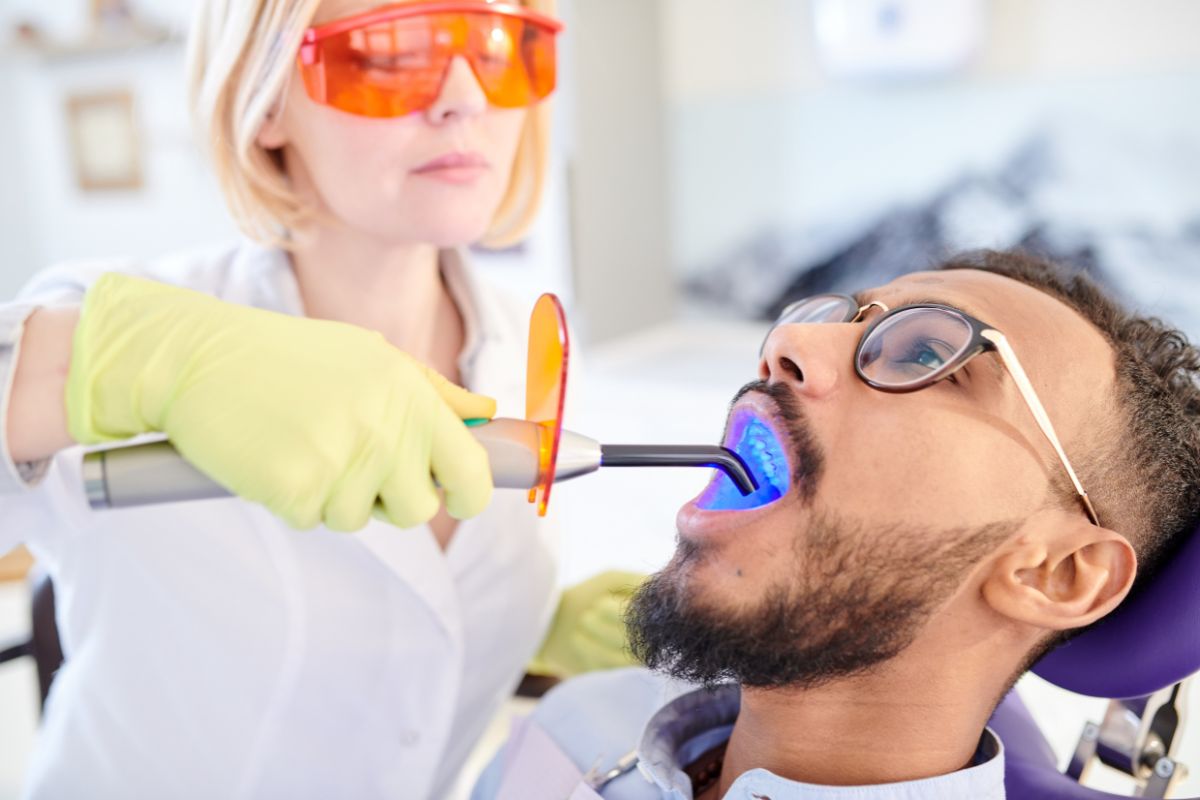
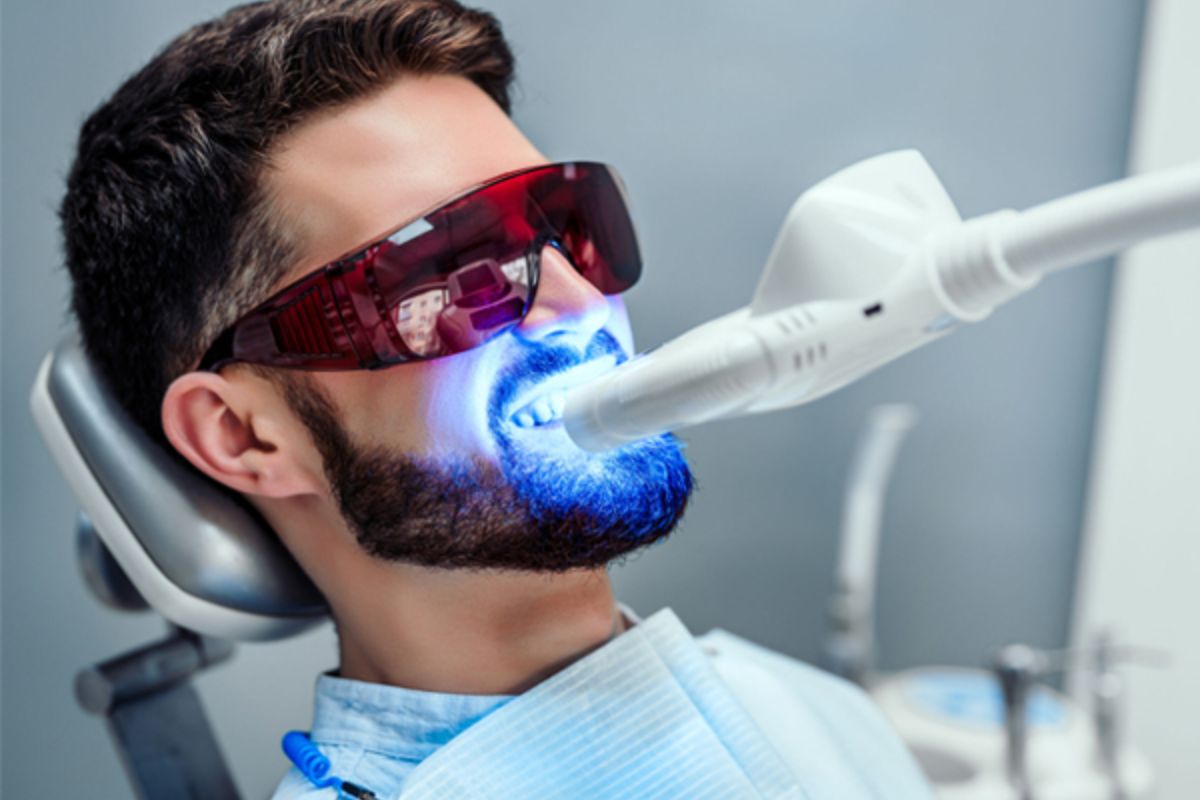
Whitening uses agents like hydrogen peroxide or carbamide peroxide to break down stains. These chemicals penetrate enamel to lift discoloration. In-office treatments apply a strong gel, often with light or laser to speed results.
At-home kits include trays, strips, or pens with milder formulas. They take longer but offer convenience. Whitening toothpastes polish away mild stains with abrasives.
Results vary by stain type. Surface marks respond best, while deep ones may need multiple sessions.
Is Whitening a Permanent Fix?
No, whitening isn’t forever. Teeth naturally pick up new stains from daily life. Professional treatments can last one to three years with good care. At-home methods fade faster, often in months.
Habits matter most. Cutting back on staining foods helps. Regular brushing and flossing slow re-staining. Touch-up kits extend brightness.
Effectiveness of Whitening: Key Stats
Here’s a quick look at whitening outcomes based on studies.
| Whitening Method | Average Color Change (ΔE) | Typical Duration | Sensitivity Rate |
|---|---|---|---|
| In-Office | 5-11 | 1-3 years | 30-78% |
| At-Home Trays | 2-10 | 6-12 months | 20-50% |
| Over-the-Counter Strips | 1-5 | 3-6 months | 10-30% |
Data shows 70% of users keep results past one year with maintenance. Higher peroxide levels boost immediate effects but may increase temporary sensitivity.
Alternatives to Whitening for Lasting Results
If yellowing persists despite whitening, other options shine. Bonding applies resin to cover stains, quick and non-invasive.
Crowns cap the tooth for severe cases, restoring shape and color. They provide durability.
For a superior choice, consider Lumineers. These ultra-thin porcelain shells bond directly without much enamel removal. They resist stains better than natural teeth and offer a natural, permanent white appearance. Lumineers handle yellowing effectively, often outlasting whitening by years.
Addressing Common Concerns
Yellow teeth can tie into broader oral health. For instance, many ask if you can get implants if you have gum disease. The answer is yes, but only after treating the infection first. Healthy gums and bone are key for implant success. Procedures like scaling or laser therapy clear bacteria, paving the way.
Always check for underlying issues. Cavities or decay might need fixing before cosmetic steps.
Our professional teeth whitening in Hewlett, NY, delivers tailored results, using advanced tools for safety and precision.
Trending FAQs on Teeth Whitening Permanence
People often search these questions. Here’s what experts say.
- How long do teeth whitening results last? Typically 6 months to 3 years, depending on diet and habits. Maintenance kits help prolong effects.
- Is teeth whitening safe for enamel? Yes, when done professionally. It doesn’t damage enamel if guidelines are followed, though sensitivity can occur temporarily.
- Can whitening fix intrinsic stains? It helps but may not fully erase deep stains from meds or trauma. Alternatives like veneers work better.
- Does whitening work on all teeth? Natural teeth respond best. Crowns or fillings don’t whiten, so color matching is needed.
- How often can I whiten my teeth? Once a year for professional sessions. Overdoing it risks enamel wear.
These address top Google queries for clarity.
If you are searching for a cosmetic dentist near you in Hewlett, options abound with modern techniques that prioritize comfort.
Maintaining Your Bright Smile
Post-whitening care is crucial. Use straws for dark drinks to minimize contact. Rinse after meals.
Choose whitening toothpaste for daily upkeep. Avoid tobacco—it yellows fast.
Regular check-ups catch issues early. Professional cleanings remove buildup.
Taking the Next Step
A whiter smile boosts confidence and opens doors. Whether whitening or Lumineers, the right choice depends on your needs. Explore options that fit your lifestyle for enduring results. In the concluding paragraph to schedule an appointment.