Imagine drifting off to sleep, only to wake up with a nagging ache in your mouth. Or worse, facing unexpected health issues down the line. Many denture wearers fall into the habit of keeping their prosthetics in overnight for convenience. But this simple choice can quietly harm your oral health. In this post, we’ll dive into the why behind ditching that practice. You’ll gain clear insights to make smarter choices for your smile.
What Are Dentures and Why Do They Matter?
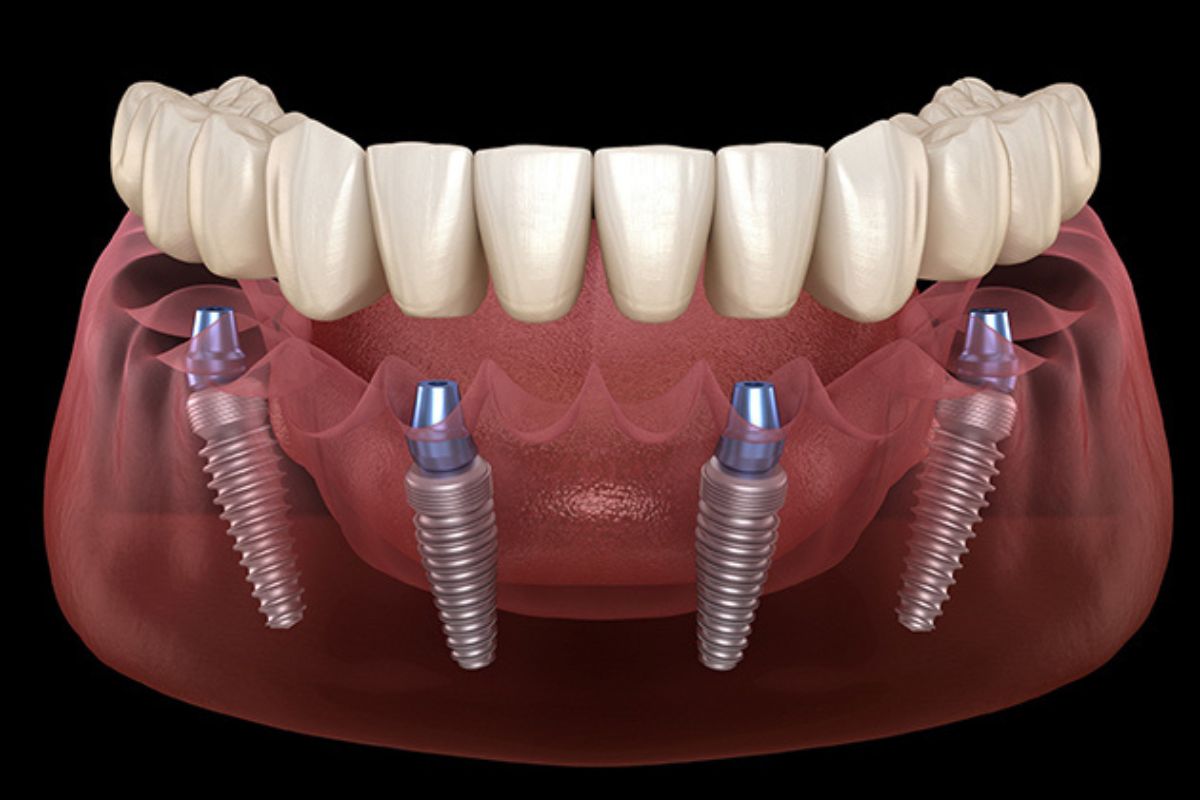
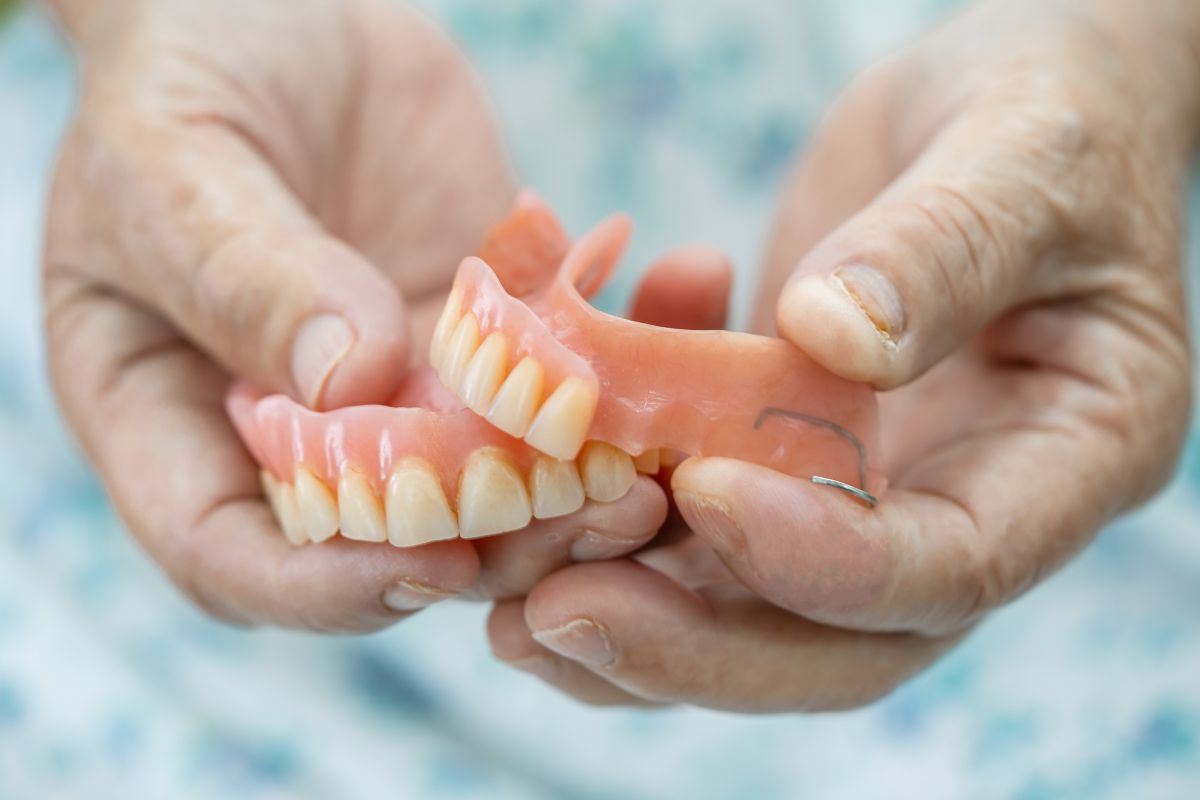
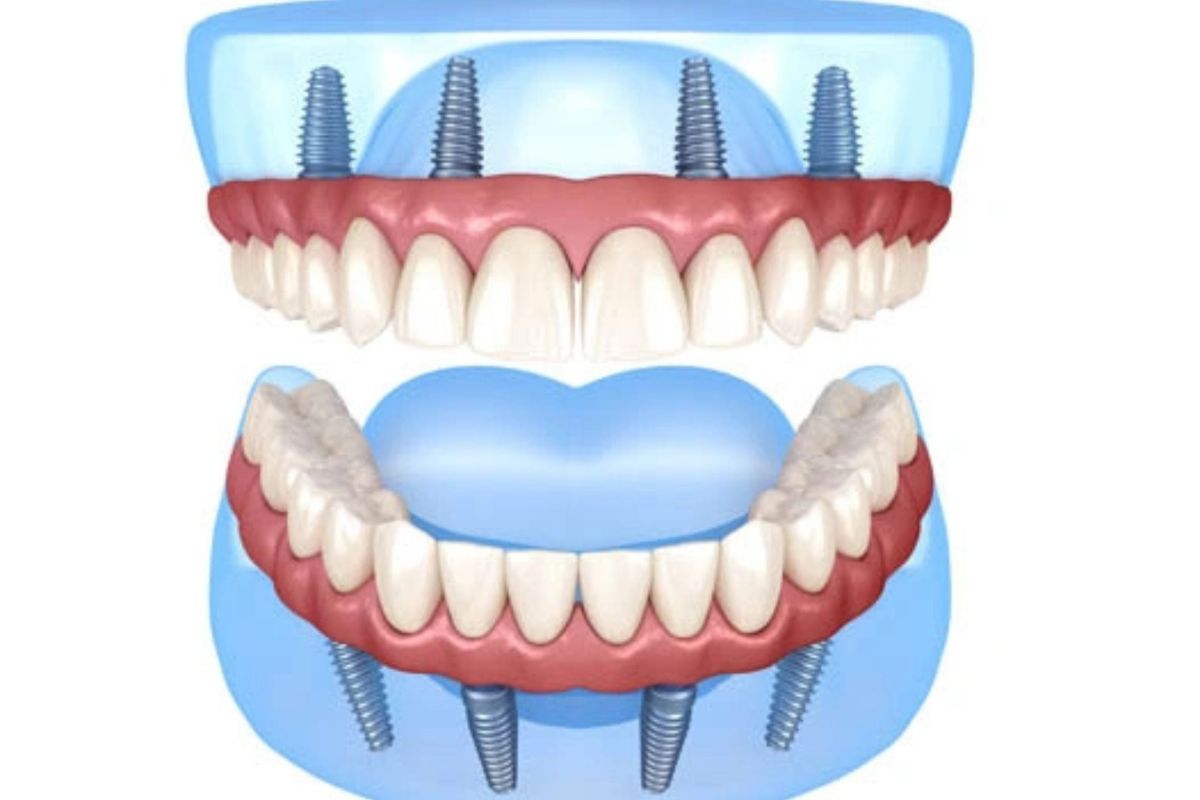
Dentures replace missing teeth. They restore function for eating and speaking. Full sets cover the entire upper or lower jaw. Partial ones fill gaps. Made from acrylic or metal, they sit on gums. Proper fit is key for comfort.
Over time, gums change shape. This affects denture stability. Nightly removal gives tissues a break. It prevents pressure buildup. Think of it as letting your feet breathe after tight shoes all day.
The Sneaky Risks of Sleeping in Dentures
Wearing dentures 24/7 seems easy. Yet it invites trouble. Your mouth needs rest. Constant pressure leads to issues. Let’s break down the main dangers.
Gum Irritation and Soreness
Dentures press on soft tissues nonstop. Gums swell from the friction. Soreness sets in fast. Redness follows. In severe cases, ulcers form. This discomfort disrupts sleep. It also makes daily wear painful.
Without breaks, blood flow drops. Healing stalls. Simple tasks like chewing hurt more. Early signs include tenderness. Ignore them, and problems worsen.
Spike in Infection Risks
Bacteria thrive in moist environments. Overnight, saliva flow slows. Plaque builds under dentures. This breeds fungi like Candida. Denture stomatitis emerges—a red, inflamed condition.
Studies show this affects up to 67% of wearers who skip removal. Thrush-like patches appear. Bad breath joins in. Untreated, it spreads. Overall health suffers.
Jawbone Loss Acceleration
Gums aren’t the only victims. Constant denture weight speeds bone resorption. Jaw shrinks over time. Dentures loosen. Fit fails. This cycle demands frequent adjustments.
Resorption happens naturally after tooth loss. But nightly wear doubles the pace. Stable jaws support better nutrition. Weak ones lead to facial changes.
Pneumonia and Breathing Concerns
For older adults, risks extend beyond the mouth. Saliva pools with dentures in. Bacteria enter lungs easier. One study found night wearers face double the pneumonia odds.
Aspiration happens silently. Coughing fits follow. Hospital stays loom. Prevention starts with routine removal.
| Risk Factor | Prevalence Among Night Wearers | Potential Impact |
|---|---|---|
| Denture Stomatitis | 20-67% | Gum inflammation, fungal overgrowth |
| Pneumonia Risk | Doubled (40.8% wearers affected) | Respiratory infections, hospitalization |
| Bone Resorption | Accelerated by 2x | Loose fit, facial structure changes |
| Gum Soreness | Up to 50% report irritation | Pain, reduced quality of life |
| Bacterial Buildup | 92% with poor hygiene | Infections, bad breath |
This table highlights key stats from dental research. It shows why habits matter.
How Proper Care Changes Everything
Switching habits pays off quick. Remove dentures before bed. Soak them in cleaner. Brush gently. Rinse your mouth. These steps cut risks sharp.
Morning routine matters too. Inspect for cracks. Dry thoroughly. Store safely. Track fit changes. Annual checkups catch issues early.
Many wonder about initial adjustment. New wearers might keep them in the first night. But make it a one-time thing. Your mouth adapts fast.
In areas like Hewlett, options for prosthodontist in Hewlett, NY abound for custom fits. Specialists craft solutions that hug gums perfectly. This reduces overnight temptations.
Trending FAQs on Sleeping with Dentures
People often search these on Google. Here’s what experts say:
- Can I sleep with my dentures the first night? Yes, briefly after fitting. It helps settle them. Remove after for rest.
- Is it bad to sleep in dentures every night? Absolutely. It boosts infection and bone loss risks. Aim for 6-8 hours off.
- What happens if you sleep with dentures? Gums irritate. Bacteria grow. Pneumonia odds rise. Long-term, fit worsens.
- How long should you sleep without dentures? All night. Give tissues full recovery time.
- Should you take dentures out at night? Yes. It prevents sores and maintains hygiene.
These answers address top concerns. They guide safe practices.
Actionable Tips for Better Denture Nights
Start small. Set a bedtime alarm for removal. Use a soft brush for cleaning. Avoid hot water—it warps material.
Hydrate well. Dry mouth worsens fit. Chew evenly to balance pressure. Track symptoms in a journal.
For partial dentures, same rules apply. Clips need checking too. Oral hygiene ties to whole-body wellness.
If issues persist, seek pro advice. Adjustments restore comfort.
Options for dentures in Hewlett, NY, focus on patient needs. Local expertise ensures tailored care. Gums heal better with right support.
Why Nightly Removal Boosts Your Smile Long-Term
Consistent care builds habits. Your mouth thanks you with less pain. Fresher breath. Stable fit. Nutrition improves too—easier eating means better fuel.
Friends notice the change. Confidence grows. Small shifts yield big wins.
If you’re searching for a dentistry serving in Hewlett and nearby communities, look for spots with strong reviews. Experienced teams guide transitions smoothly.
Ready to prioritize your oral health? Call (516) 239-6204 to schedule an appointment today. Take that step toward restful nights and a vibrant smile.