Have you ever looked in the mirror and wished for a brighter smile? Many people chase that goal through whitening treatments. But what goes on at a molecular level? This post breaks it down simply. You’ll learn the science behind the sparkle. It’s fascinating how chemistry can transform your teeth.
Why Teeth Stain in the First Place
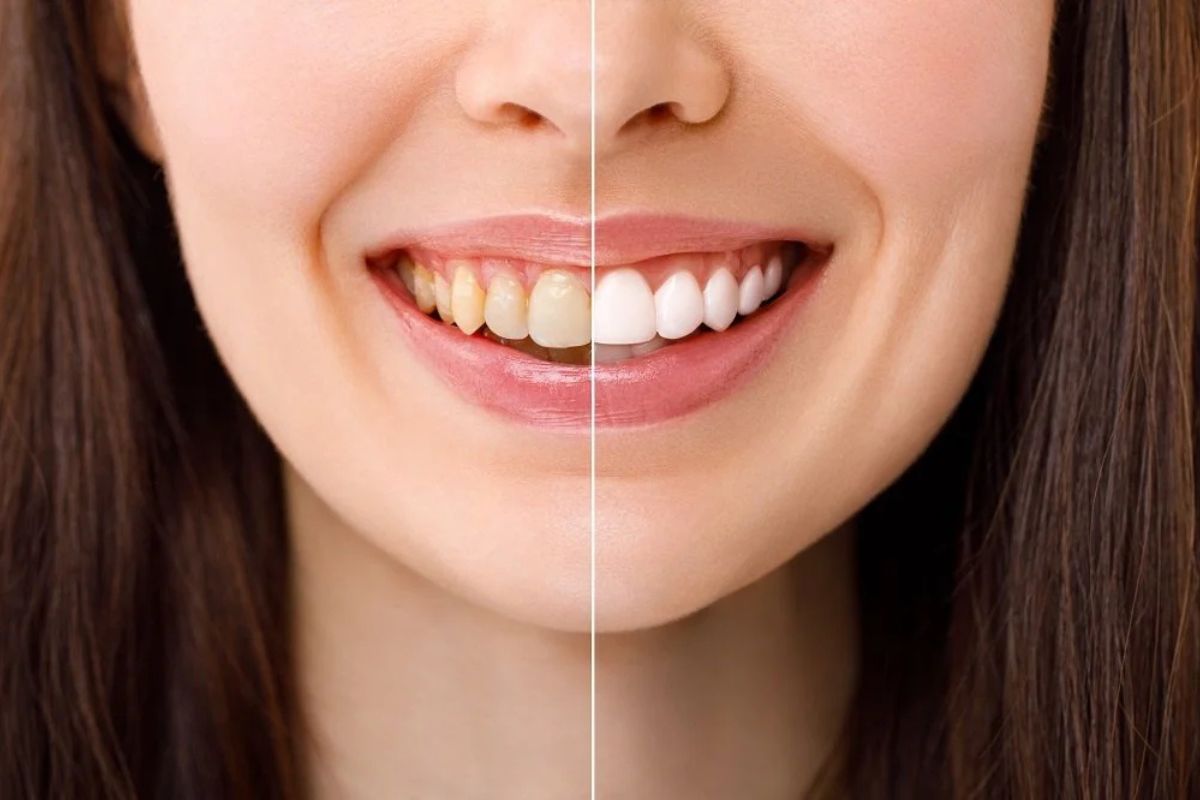
Teeth aren’t naturally stark white. Enamel covers them, but it’s porous. Stains sneak in over time. Extrinsic stains sit on the surface. They come from coffee, tea, or red wine. Intrinsic stains go deeper. These result from aging or medications. Tobacco worsens both types. Daily habits build up these discolorations. Understanding stains helps explain whitening’s power.
Key Whitening Agents and Their Roles
Most whitening products rely on peroxides. Hydrogen peroxide is common. It acts fast. Carbamide peroxide works slower but gently. These chemicals trigger the magic. They release active oxygen. This oxygen targets stain molecules. Without these agents, whitening wouldn’t happen. Professional formulas use higher concentrations for better results. At-home kits have milder versions.
Step-by-Step Chemical Reaction
The process starts with the application. Gel touches your teeth. Peroxide breaks down quickly. It forms free radicals. These are unstable oxygen atoms. They seek out bonds in stain compounds. Oxidation occurs next. Stains shatter into smaller pieces. These pieces reflect less light. Your teeth appear whiter. The reaction happens in enamel and dentin. It doesn’t change tooth structure. Just clears the debris.
How Deep Does It Go?
Enamel lets radicals penetrate. They reach the dentin layer below. That’s where deep stains hide. The process is controlled. It avoids harming healthy tissue. Time matters here. Longer exposure means more breakdown. But overdoing it risks issues. Balance is key for safe whitening.
Safety Concerns and Side Effects
Whitening is generally safe. Yet side effects can arise. Tooth sensitivity tops the list. It happens when radicals irritate nerves. Gums may burn if gel contacts them. These effects are temporary. They fade after treatment. Proper use minimizes risks. Always follow instructions. Consult a pro if concerns persist.
| Aspect | Statistic |
|---|---|
| Effectiveness (Color Change) | Up to 9.6 ΔE units with hydrogen peroxide, indicating noticeable whitening |
| Tooth Sensitivity Prevalence | Affects 60-70% of users temporarily during vital whitening |
| Gingival Irritation Rate | Common in 10-30% of cases, resolves within days |
| Annual OTC Spending | Americans spend $1.4 billion on nonprescription whitening products |
| Long-Term Whitening Retention | Over 55% of maximum lightening occurs in the first month, with some relapse over time |
This table shows key stats from dental research. It highlights whitening’s impact and common outcomes.
Professional vs. At-Home Options
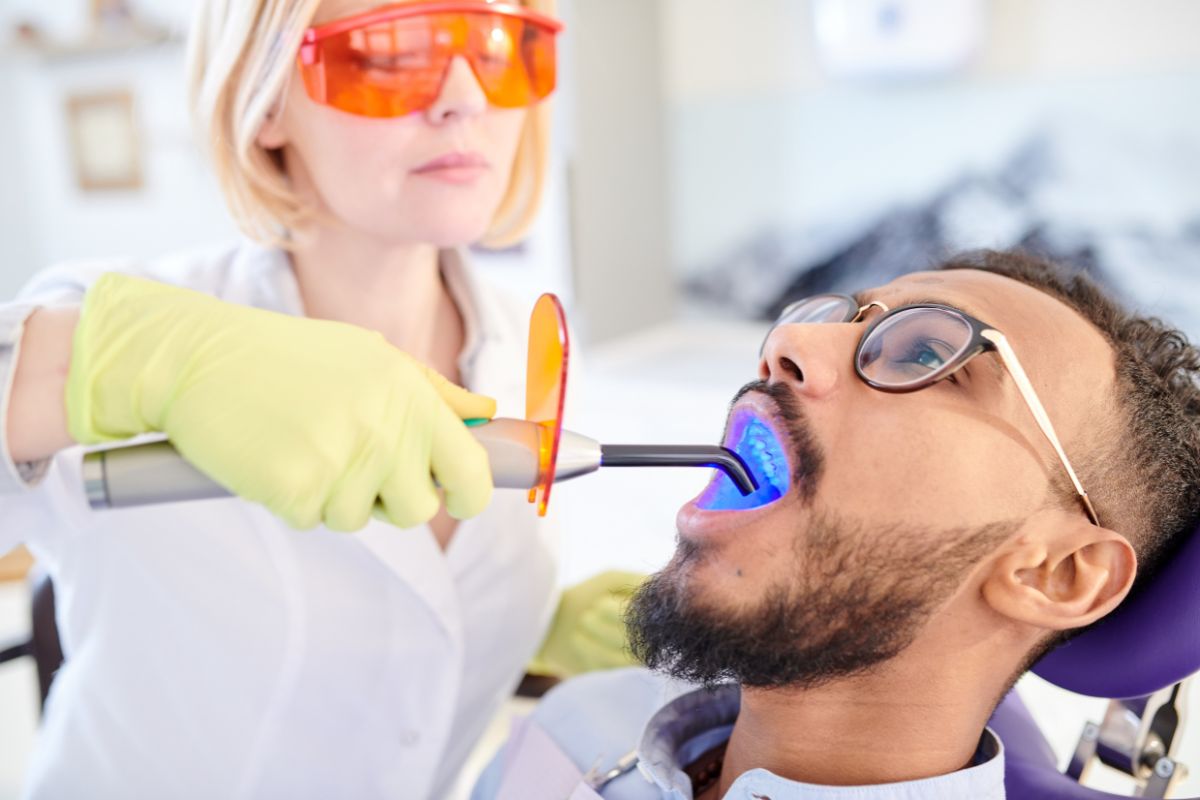
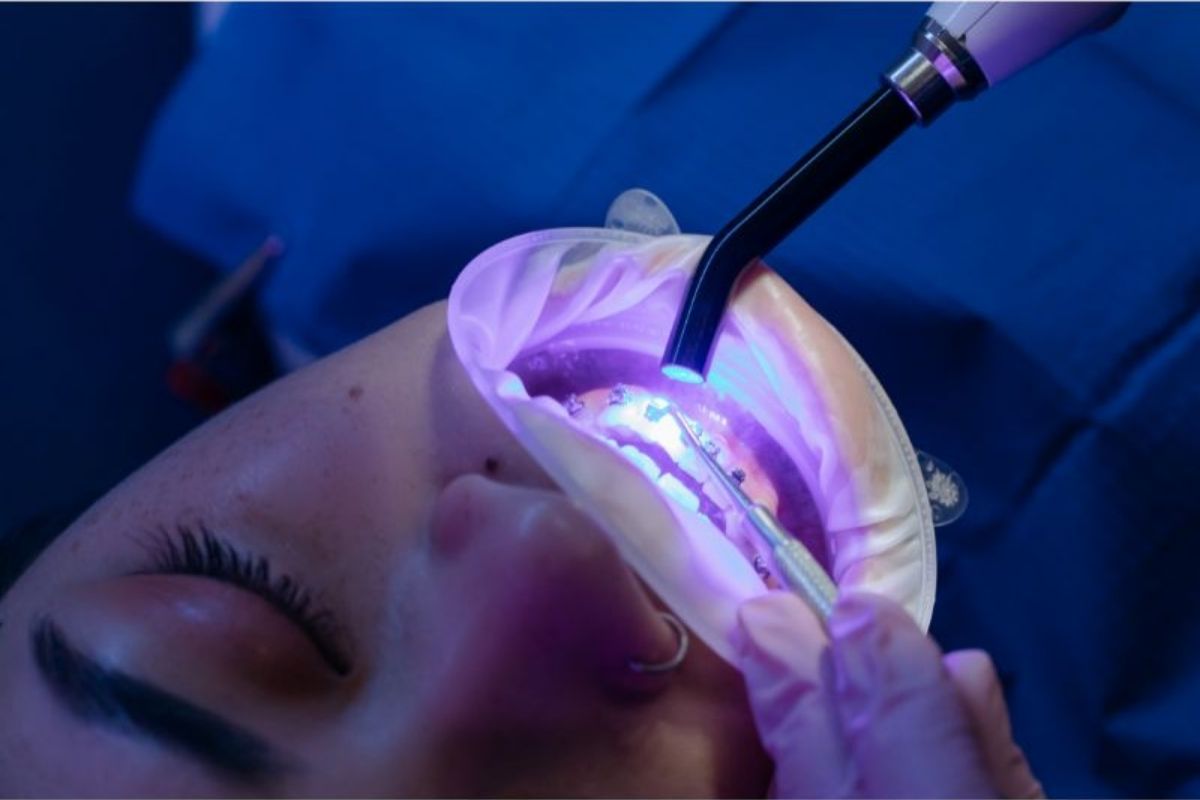
Professional treatments offer precision. Dentists customize the gel strength. They protect gums with barriers. Results show faster. At-home kits are convenient. Strips or trays work over weeks. Both use similar chemistry. Choose based on needs. For those exploring teeth whitening in Hewlett, NY, local experts provide tailored advice. This ensures optimal safety.
Special Considerations for Different Ages
Age plays a role in whitening. Younger teeth respond well. But caution is needed. Developing enamel is sensitive. Professional guidance prevents damage. Teeth whitening for teens requires supervision. It boosts confidence safely. Check oral health first. Avoid over-the-counter kits without advice. This keeps smiles healthy long-term.
Trending FAQs on Teeth Whitening Chemistry
People often search for clarity on this topic. Here are some trending questions based on common queries. I’ve answered them briefly.
- How does hydrogen peroxide whiten teeth? It releases oxygen radicals that oxidize and break down stain molecules into colorless particles.
- Is teeth whitening safe for enamel? Yes, when done correctly. It doesn’t erode enamel but can cause temporary sensitivity.
- What causes tooth sensitivity after whitening? Free radicals irritate exposed dentin tubules, leading to short-term discomfort.
- How long do whitening results last? Typically 6 months to 2 years, depending on habits like diet and smoking.
- What’s the difference between carbamide and hydrogen peroxide? Carbamide breaks down more slowly, releasing urea for gentler action; hydrogen acts quickly.
- Can whitening damage gums? High concentrations may cause mild chemical burns, but protective measures prevent this.
These address frequent concerns. They stem from real user searches.
Maintaining Your Whitened Smile
Post-whitening care matters. Avoid staining foods right after. Brush gently with fluoride toothpaste. Regular check-ups help. Touch-ups keep results fresh. Lifestyle tweaks extend brightness. Drink through straws for dark beverages. These habits support the chemical gains.
A brighter smile starts with knowledge. You’ve seen the chemistry at work. It’s empowering to understand. Ready for your own transformation? If you are searching for a cosmetic dentist in Hewlett, NY, reach out to schedule an appointment at (516) 239-6204. Your confident grin awaits.