Teens today are more conscious about their smiles than ever, thanks to social media and the pressure to look picture-perfect. Teeth whitening has become a popular trend among adolescents eager to flash a brighter smile. But as a parent or teen, you might wonder: Is it safe? Can whitening damage teen teeth? As a trusted Hewlett dentist, I’ll break down the science, risks, and best practices to ensure your teen’s smile stays healthy and radiant. Let’s dive into what you need to know about teeth whitening for teens.
Understanding Teeth Whitening: How It Works
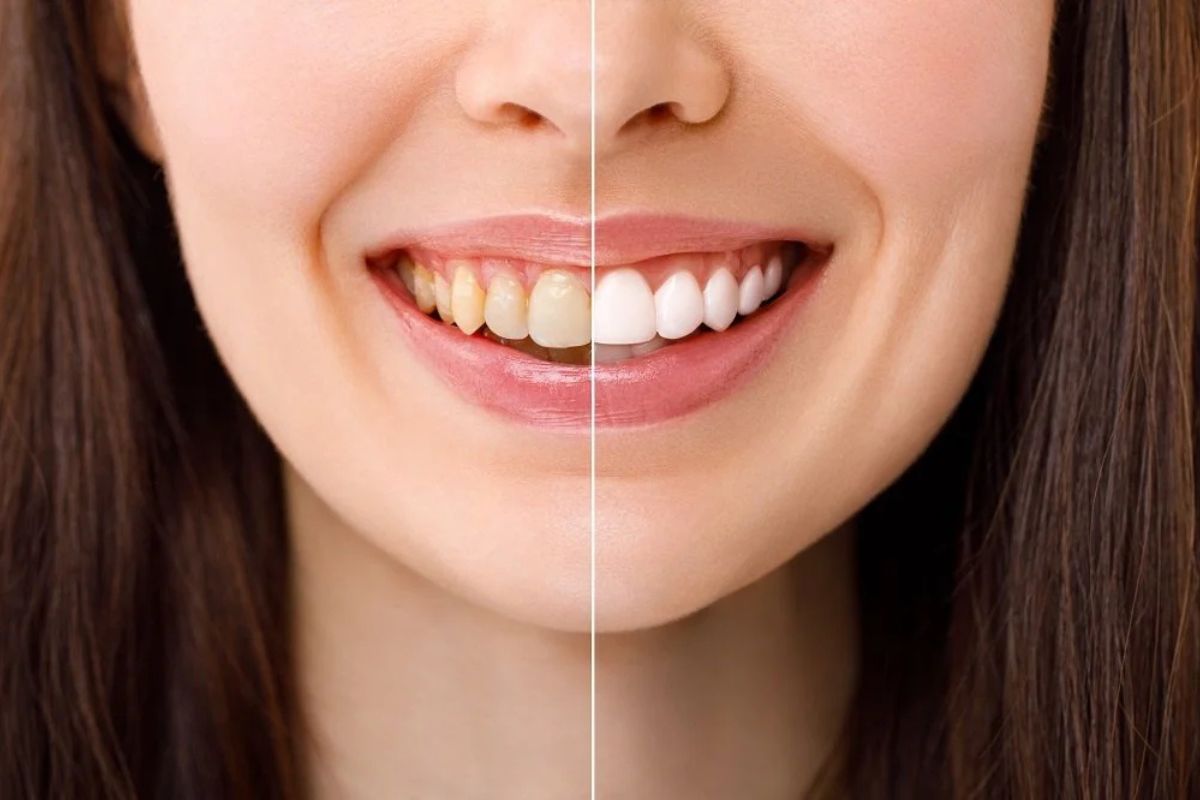
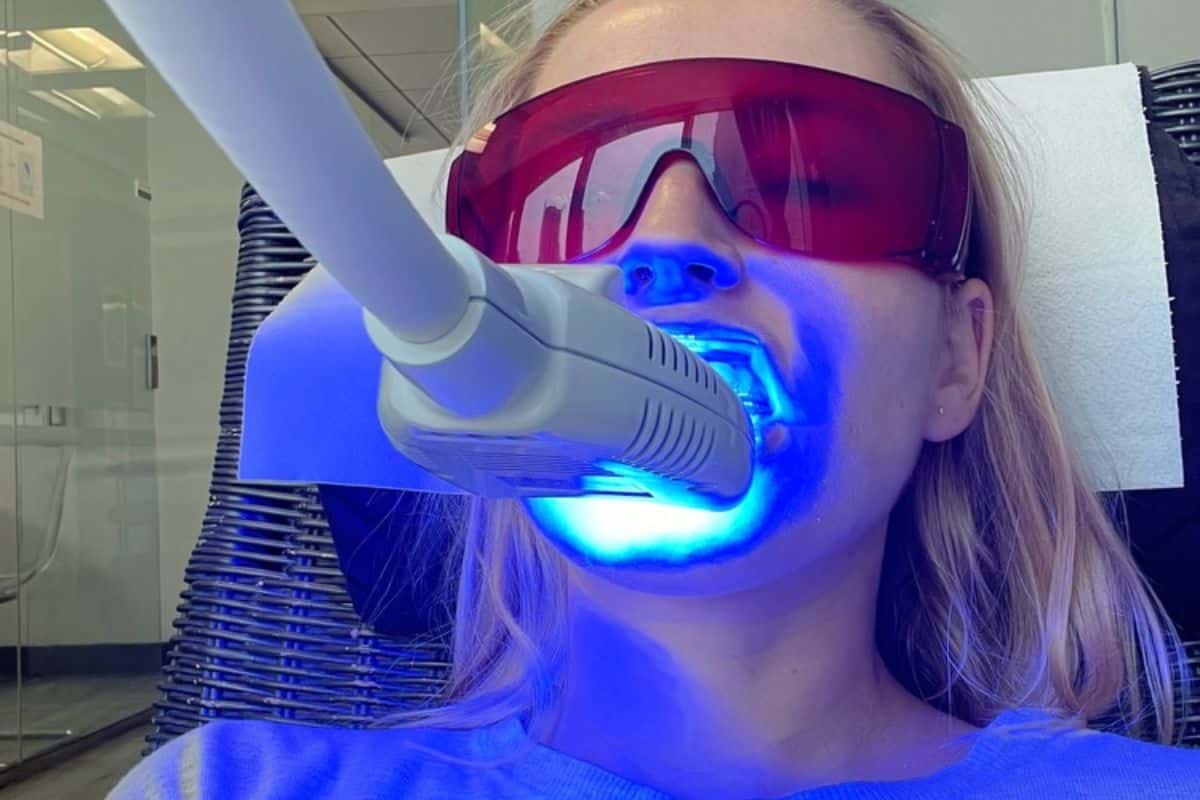
Teeth whitening involves using bleaching agents, typically hydrogen peroxide or carbamide peroxide, to remove stains and lighten tooth enamel. These agents break down discoloration on the tooth’s surface, revealing a whiter shade. Professional treatments, at-home kits, and over-the-counter products like strips or toothpaste are common options. For teens, whose teeth are still developing, the process requires extra caution. Enamel in younger teeth is often thinner, and the pulp (the inner part of the tooth) is larger, making them more sensitive to chemical exposure.
Is Teeth Whitening Safe for Teens?
The safety of whitening for teens depends on their age, dental health, and the method used. The American Dental Association (ADA) recommends waiting until at least age 14, when most permanent teeth have erupted and enamel has matured. Whitening too early can irritate the gums, increase sensitivity, or even damage the enamel. Teens with braces, cavities, or gum issues should avoid whitening until these conditions are addressed. A dentist’s supervision is key to ensuring the procedure is safe and effective for a teen’s unique dental needs.
Potential Risks of Whitening for Teen Teeth
Whitening isn’t without risks, especially for teens. Here are some concerns to watch for:
- Enamel Damage: Overuse of whitening products can weaken enamel, the protective outer layer of teeth. Teen enamel is still hardening, making it more vulnerable.
- Increased Sensitivity: Teens may experience heightened sensitivity to hot or cold after whitening. This happens because the bleaching agent can temporarily irritate the tooth’s nerve.
- Gum Irritation: If whitening gel contacts the gums, it can cause burning or soreness. Teens often misuse at-home kits, increasing this risk.
- Uneven Results: Teeth with mixed baby and permanent teeth may whiten unevenly, leading to a patchy appearance.
These risks highlight why professional guidance is essential for teens considering whitening.
Why Teens Should Consult a Dentist Before Whitening
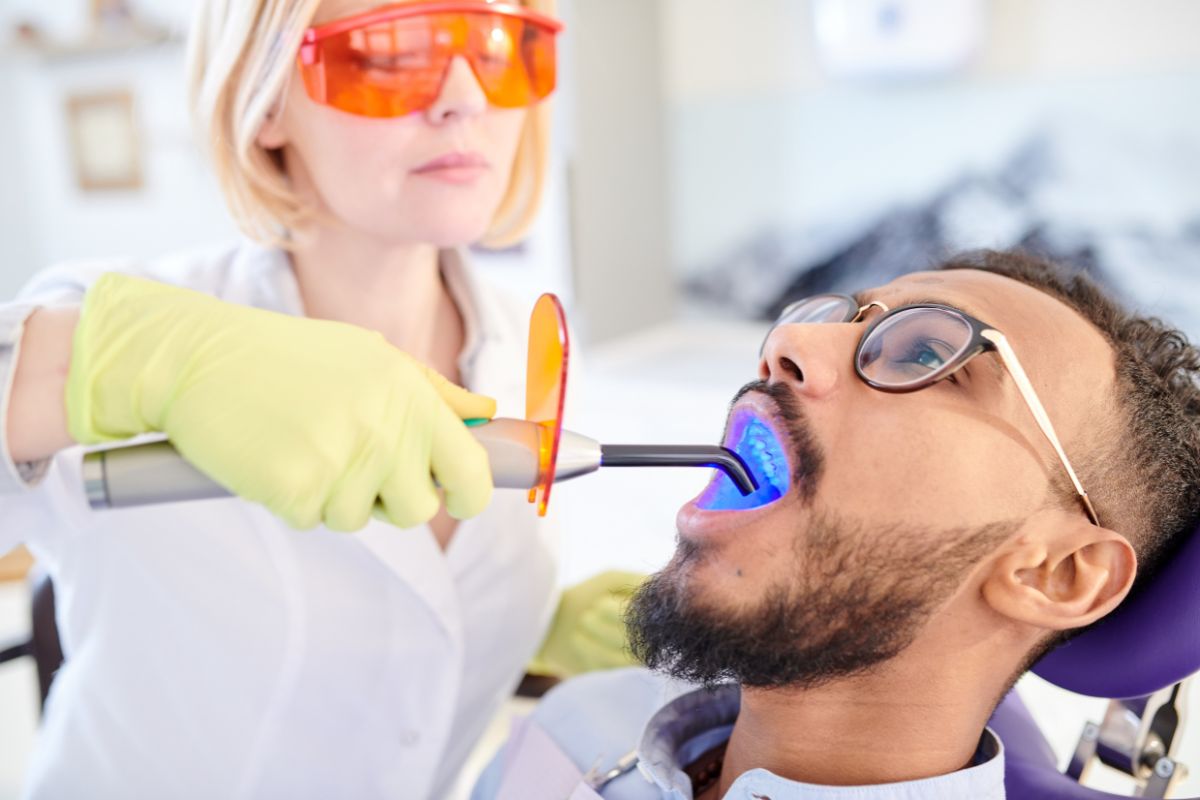
Before trying any whitening product, teens should visit a dental professional. A dentist can assess enamel thickness, check for underlying issues like cavities, and recommend the safest approach. For residents in the area, seeking teeth whitening in Hewlett, NY, ensures access to experienced professionals who understand teen dental care. A dentist can also customize treatments, using lower-concentration bleaching agents to minimize sensitivity. Plus, they’ll ensure the teen’s oral health is in top shape before proceeding, reducing the chance of complications.
Alternatives to Traditional Whitening for Teens
If whitening poses too many risks, there are safer ways for teens to brighten their smiles. Professional cleanings can remove surface stains without chemicals. These cleanings are gentle and effective for tackling discoloration from food, drinks, or poor brushing habits. Another option is using whitening toothpaste with mild abrasives, but only under dental supervision. Good oral hygiene—brushing twice daily, flossing, and avoiding staining foods like coffee or berries—can naturally enhance a teen’s smile. Encouraging these habits early sets the foundation for lifelong dental health.
Tips for Safe Teeth Whitening for Teens
If a dentist approves whitening for your teen, follow these tips to keep their teeth safe:
- Choose professional treatments over at-home kits for better control and safety.
- Use products with lower peroxide concentrations to reduce sensitivity.
- Follow the dentist’s instructions precisely—don’t overuse whitening products.
- Monitor for signs of irritation, like sore gums or tooth pain, and stop if they occur.
- Maintain good oral hygiene to prevent stains from returning.
These steps can help teens achieve a brighter smile without compromising their dental health.
The Role of a Local Dentist in Teen Dental Care
Finding a reliable dental professional is crucial for safe whitening and overall oral health. If you’re searching for a dentist near me, look for someone with experience in pediatric and adolescent dentistry. A local dentist can provide personalized advice, monitor your teen’s dental development, and offer treatments tailored to their needs. Regular checkups also catch issues early, ensuring your teen’s smile stays healthy through their formative years. Building a relationship with a trusted dentist makes all the difference in maintaining a confident, healthy smile.
Trending FAQs on Teen Teeth Whitening
Here are answers to some frequently asked questions about teen teeth whitening, sourced from common Google searches:
- At what age can a teen start whitening their teeth? The ADA suggests waiting until age 14, when permanent teeth are fully in and enamel has matured.
- Can whitening strips harm teen teeth? Yes, if misused. Strips can cause sensitivity or enamel damage in teens, so they should only be used under dental supervision.
- Does teeth whitening hurt teens? It shouldn’t, but teens may feel temporary sensitivity. A dentist can adjust the treatment to minimize discomfort.
- How long do whitening results last for teens? Results vary, but with good oral hygiene, they can last several months. Avoiding staining foods helps maintain the brightness.
- Are there natural ways to whiten teen teeth? Yes, brushing with baking soda or eating crunchy fruits like apples can help, but always check with a dentist first.
These FAQs address common concerns, helping teens and parents make informed decisions.
How to Support Your Teen’s Dental Health Beyond Whitening
Whitening is just one part of a teen’s dental care routine. Encourage habits that promote long-term oral health. Ensure they brush twice daily with fluoride toothpaste and floss regularly. Limit sugary snacks and drinks, which can lead to cavities and stains. Schedule regular dental visits to monitor their development and catch issues early. If your teen is self-conscious about their smile, talk to them about their concerns and explore safe options with a dentist. A healthy smile boosts confidence, and starting with good habits now sets them up for a lifetime of dental wellness.
Final Thoughts on Teen Teeth Whitening
Teens can achieve a brighter smile with the right approach, but safety should always come first. Whitening can be safe for adolescents when done under professional supervision, with careful attention to their developing teeth. By consulting a dentist, exploring alternatives, and following best practices, you can help your teen smile confidently without risking their dental health. A beautiful smile starts with healthy habits, and with the right guidance, your teen can enjoy both for years to come.