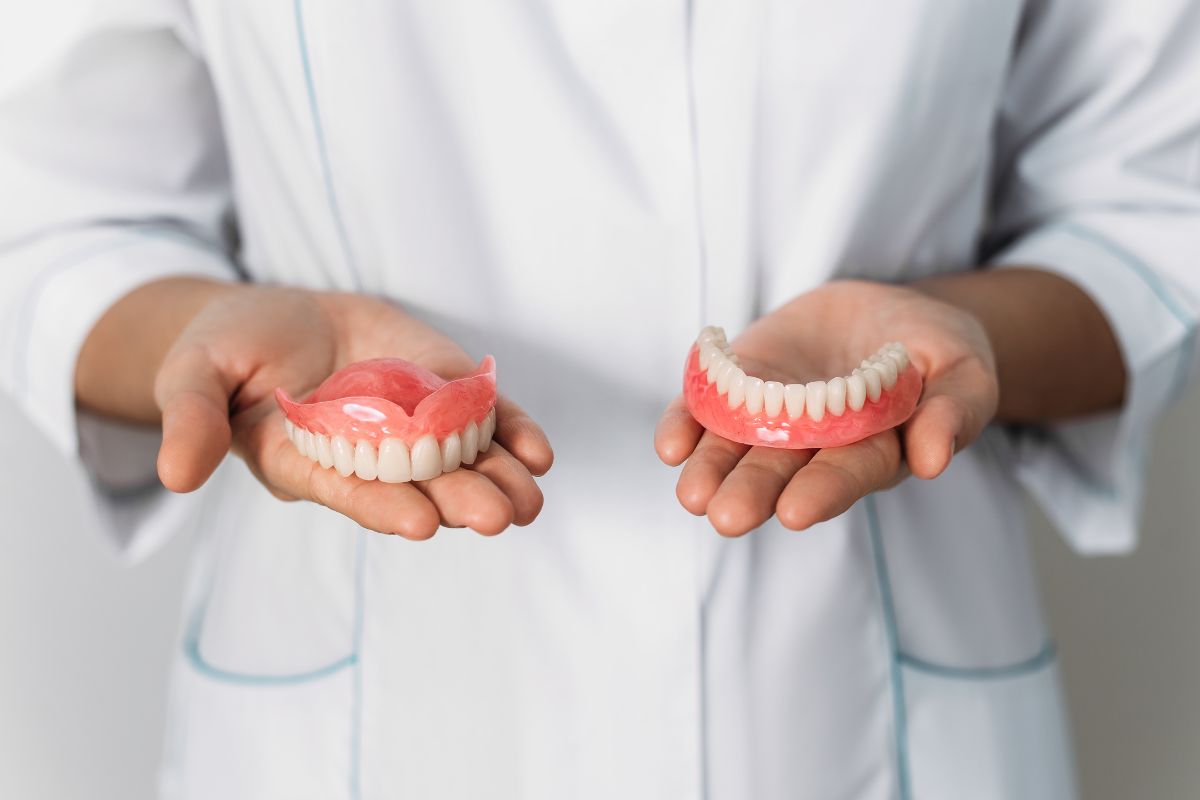

Losing teeth can be a tough experience, affecting not just your smile but also your ability to eat and speak comfortably. If you’re exploring tooth replacement options, you might have come across overdentures and traditional dentures. While both serve the same purpose, they differ significantly in function, comfort, and long-term benefits. In this blog, we’ll break down the differences and help you determine the best option for your needs.
What Are Overdentures?
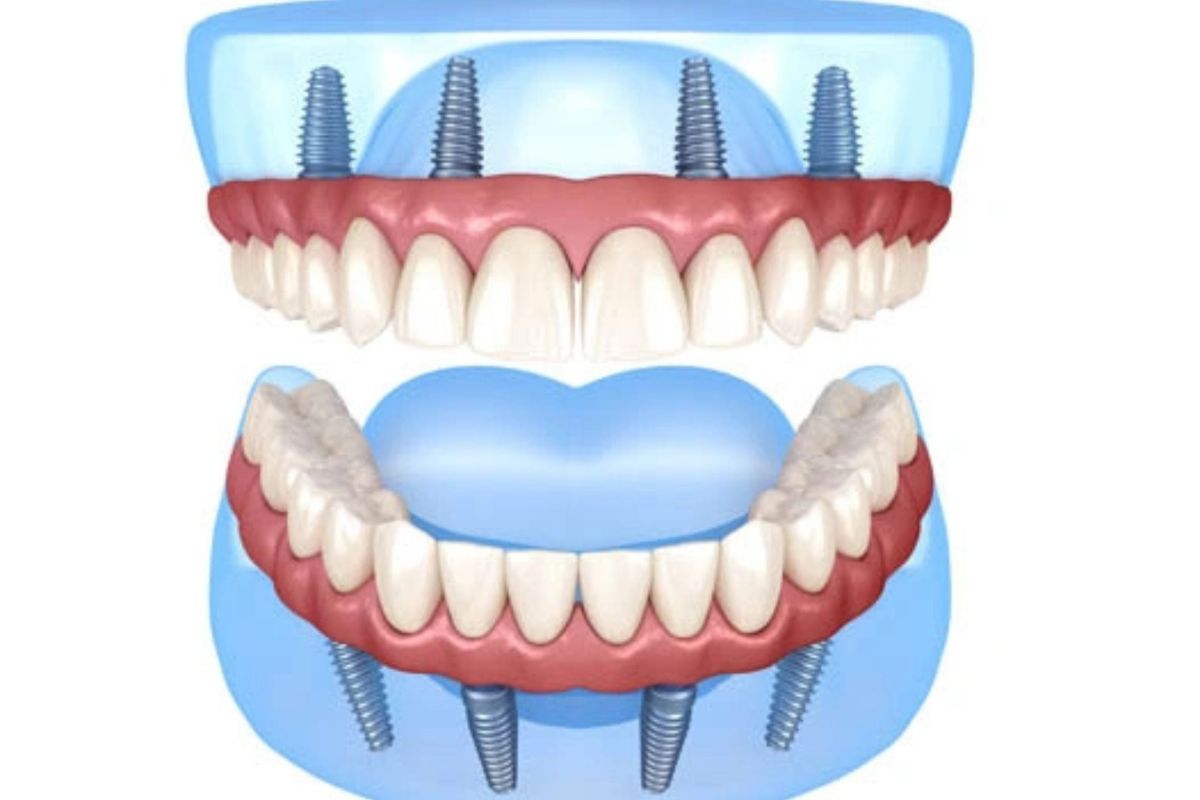
Overdentures are an advanced type of removable denture designed to fit over remaining natural tooth roots or dental implants. Unlike traditional dentures, which rest directly on the gums, overdentures gain extra stability from either preserved tooth roots or small implant posts.
There are two main types:
- Tooth-Supported Overdentures: These rely on modified natural tooth roots to provide support, improving retention and reducing bone loss.
- Implant-Supported Overdentures: These attach to titanium dental implants embedded in the jawbone, offering superior stability and preventing shifting.
A restorative dentist in Hewlett can help determine whether you qualify for tooth-supported or implant-supported overdentures based on your oral health and jaw structure.
Key Differences Between Overdentures and Traditional Dentures
While both overdentures and traditional dentures restore function and appearance, they have some key distinctions:
1. Stability and Comfort
- Overdentures: Secured to implants or natural roots, making them significantly more stable. They won’t slip or shift while eating or speaking.
- Traditional Dentures: Rely on suction or adhesives, which can lead to movement and discomfort.
2. Bone Health and Facial Structure
- Overdentures: Preserve jawbone density by stimulating the bone through natural roots or implants, preventing facial sagging.
- Traditional Dentures: Can accelerate bone loss since they sit directly on the gums without offering stimulation to the underlying bone.
3. Chewing Efficiency
- Overdentures: Provide better biting force, allowing you to enjoy a wider variety of foods.
- Traditional Dentures: Restrict harder or chewy foods, limiting dietary choices.
4. Long-Term Maintenance
- Overdentures: Require periodic checkups to maintain root or implant health but typically last longer with fewer adjustments.
- Traditional Dentures: Need regular relining or replacement as the jawbone shrinks over time.
5. Speech Clarity
- Overdentures: More secure, helping with clearer speech.
- Traditional Dentures: May cause minor speech difficulties due to movement.
Who Is a Good Candidate for Overdentures?
Overdentures aren’t for everyone, but they are an excellent option if:
- You have some healthy tooth roots left that can support an overdenture.
- You have enough jawbone density for implant-supported overdentures.
- You want a more stable and comfortable alternative to traditional dentures.
- You’re committed to proper oral hygiene and regular checkups with a restorative dentist in Hewlett to ensure the longevity of your overdenture.
However, if you have severe bone loss or prefer a non-surgical solution, traditional dentures may be a more practical option.
Choosing between overdentures and traditional dentures depends on your unique dental needs. Overdentures offer better stability, improved chewing ability, and long-term oral health benefits, while traditional dentures remain a more budget-friendly and non-invasive solution. If you’re unsure which option is best, consulting a local dentist near you can help guide your decision based on your oral health and lifestyle preferences.
Your smile is an essential part of your confidence—make sure you choose the best solution for a healthier, happier you!