Smoking is more than a habit—it’s a health hazard that hits your mouth hard. From stained teeth to persistent bad breath, its effects are tough to ignore. But the real damage happens below the surface, where smoking fuels gum disease and makes bad breath a constant struggle. Let’s dive into how smoking impacts your oral health and what you can do to fight back.
The Connection Between Smoking and Gum Disease
How Smoking Triggers Gum Disease
Smoking weakens your immune system, making it harder for your body to fight infections. This includes gum infections like gingivitis and periodontitis. Tobacco’s chemicals irritate gum tissue, causing inflammation and plaque buildup. Over time, this can destroy the bone supporting your teeth.
Reduced Blood Flow to Gums
Nicotine constricts blood vessels, reducing oxygen and nutrients to your gums. Healthy gums need good blood flow to heal and stay strong. Without it, minor issues like plaque can spiral into severe gum disease. Smokers often notice receding gums or loose teeth as a result.
Delayed Healing and Treatment Challenges
Smoking slows healing after dental procedures. For those seeking gum disease treatment in Hewlett, NY, smoking can complicate recovery from scaling, root planing, or surgery. It also reduces the effectiveness of treatments, making it harder to control gum disease.
Smoking’s Role in Bad Breath
Why Smokers Struggle with Halitosis
Bad breath, or halitosis, is a common issue for smokers. Tobacco leaves a lingering odor that clings to your mouth. It also dries out saliva, which naturally cleanses your mouth. Without enough saliva, bacteria thrive, producing foul-smelling compounds.
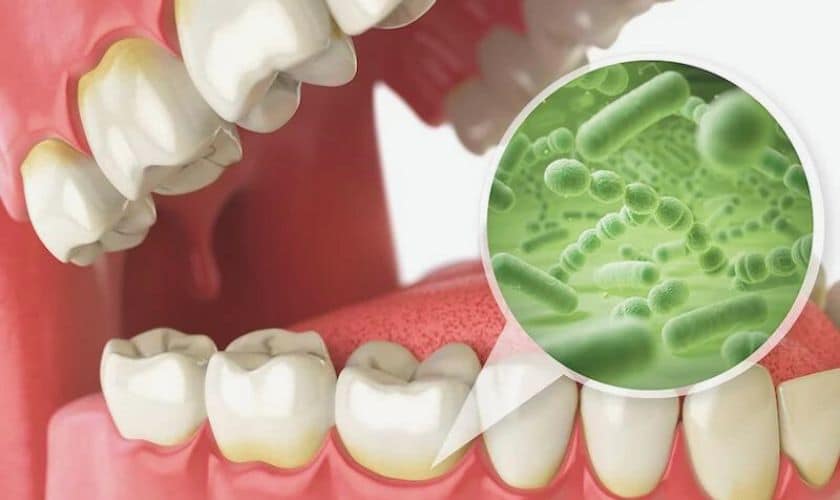
Bacteria and Plaque Buildup
Smoking encourages sticky plaque to form on teeth and gums. This plaque harbors bacteria that release sulfur compounds, worsening bad breath. Regular brushing helps, but smokers often need extra care to keep their breath fresh.
Masking vs. Solving the Problem
Many smokers rely on mints or mouthwash to cover bad breath. These are temporary fixes. To truly combat halitosis, you need to address the root causes—smoking, gum disease, and poor oral hygiene. Incorporating tips to maintain fresh breath all day like staying hydrated and using a tongue scraper can make a big difference.
The Vicious Cycle: Gum Disease and Bad Breath
How Gum Disease Fuels Bad Breath
Gum disease creates pockets where bacteria hide. These pockets release odors that contribute to chronic bad breath. Smokers with gum disease face a double challenge: tobacco worsens the disease, and the disease amplifies halitosis.
Smoking Makes It Harder to Break the Cycle
Quitting smoking is key to stopping this cycle. Without tobacco, your gums can heal faster, and your breath improves. But smoking’s addictive nature makes quitting tough. Support from dental professionals and cessation programs can help you succeed.
Trending FAQs on Smoking, Gum Disease, and Bad Breath
Here are answers to common questions people ask about this topic:
- How does smoking cause gum disease?
Smoking weakens your immune system and reduces blood flow to gums, making them more prone to infections like gingivitis and periodontitis. - Can quitting smoking reverse gum disease?
Quitting can’t fully reverse advanced gum disease, but it improves healing and slows progression. Early-stage issues like gingivitis often improve significantly. - Why does smoking cause bad breath?
Tobacco dries your mouth, leaves odors, and promotes bacteria growth, all of which contribute to halitosis. - How can I improve bad breath if I smoke?
Brush twice daily, floss, use a tongue scraper, stay hydrated, and visit your dentist regularly. Quitting smoking is the most effective step. - Does vaping cause the same issues as smoking?
Vaping may be less harmful but still irritates gums and dries your mouth, contributing to gum disease and bad breath.
Actionable Steps to Protect Your Oral Health
Quit Smoking for Better Gums and Breath
Quitting smoking is the single best step for your oral health. It boosts blood flow, strengthens your immune system, and reduces bad breath. Ask your dentist or doctor about cessation aids like patches or counseling.
Prioritize Oral Hygiene
Brush twice a day with fluoride toothpaste. Floss daily to remove plaque between teeth. Use an antiseptic mouthwash to kill bacteria. A tongue scraper can also reduce bacteria that cause bad breath.
Visit Your Dentist Regularly
Regular cleanings and checkups catch gum disease early. Your dentist can recommend treatments like deep cleaning or laser therapy if needed. They’ll also guide you on maintaining fresh breath and healthy gums.
Stay Hydrated and Eat Wisely
Drink plenty of water to keep saliva flowing. Avoid sugary snacks that feed bacteria. Crunchy fruits and vegetables like apples and carrots naturally clean teeth and freshen breath.
Why Acting Now Matters
Ignoring gum disease or bad breath can lead to bigger problems. Untreated gum disease may cause tooth loss or even affect your overall health, linking to issues like heart disease. Bad breath can also harm your confidence and social life. Taking small steps today—like better hygiene or quitting smoking—pays off in a healthier smile.
Smoking’s grip on your oral health is strong, but you’re stronger. By understanding its dangers and taking action, you can protect your gums and keep your breath fresh. Start with one change, like booking a dental visit or cutting back on cigarettes. Your smile deserves it, and so do you.